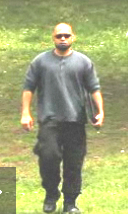
A Superior Court judge has meted out the lightest sentence to date among the adults convicted in the Toronto 18 terrorism plot.
Asad Ansari, 25, became a free man yesterday after receiving six years and five months — the equivalent of time served — for his participation in the group, which plotted devastating attacks in Toronto and Ottawa. The offence carries a maximum jail term of 10 years.
“While Mr. Ansari’s involvement in the offence was serious, it is not at the most serious end of the scale,” Justice Fletcher Dawson asserted in his 12-page ruling.
Ansari has been out on strict house-arrest bail for more than a year awaiting trial and sentencing. Taken on a two-for-one basis, his sentence is equivalent to the almost three years and three months he spent in pretrial custody. Judge Dawson, who also handed Ansari three years of probation, said it would be an “unjust hardship” to return him to prison at this juncture.
Ansari’s sentence is the lightest among the adults convicted in the Toronto 18 plot, though one youth received less time, having been released on time served more than a year ago.
After a lengthy joint trial with another co-accused, Ansari was convicted in June of participating in the Toronto 18, which planned to storm Parliament and detonate truck bombs in downtown Toronto. Authorities dismantled the homegrown cell in June 2006.
In his ruling, Judge Dawson pointed out Ansari was not charged in the bomb plot, and said his involvement in a terrorist training camp in the winter of 2005 was “more limited” than that of other group members.
During that camp, the court has heard, participants wore camouflage clothing and engaged in paramilitary drills.
“I am satisfied that once [Ansari] was there, the nature of the camp would have been apparent to him,” Judge Dawson said, rejecting testimony from Ansari, who said he was unaware of any terrorist implications.
“The jury obviously found that Mr. Ansari’s testimony was not credible,” Judge Dawson said. “I must say I reached the same conclusion.”
The Crown has painted Ansari as the group’s technical expert, one who helped edit video footage of the training camp and cleared malicious software from ringleader Fahim Ahmad’s computer. Judge Dawson said it was clear Ansari “pledged his computer skills for the benefit of the group.”
Ansari, who strolled out of court yesterday with his mother, declined to comment on the ruling. His lawyer, Breese Davies, lauded the judge’s “fit sentence” but said her client would be appealing his conviction within 30 days.
“He gave an innocent explanation [for his involvement in the group] and he maintains that position,” Ms. Davies said. Still, she added, “we are glad that this part is over. He can focus on moving on with his life.”
Upon hearing of the ruling, Public Safety Minster Vic Toews issued a statement highlighting the government’s recent decision to end the practice of granting convicts two-for-one credit for pretrial custody.
“Part of keeping our communities safe is keeping dangerous criminals behind bars, not releasing them into our streets early… Canadians believe this is unacceptable, and our government will continue to put the rights of victims ahead of the rights of criminals,” Mr. Toews said.
Ansari is one of the final Toronto 18 members to be sentenced. Ringleader Ahmad is to be sentenced this month, with Steven Chand and Shareef Abdelhaleem following in November. Seven of the group members were released without charges, and seven others have been convicted and sentenced.
*** Minister Toews and the CONservative party has no credibility in trying to use this as a proof of any sort about their worth in the national security file. The solution is not to jail everyone forever and ever while ignoring and neglecting the CAUSES that give rise to radicalization leading to terrorism. If you want to keep applying band-aids - you'll only end up looking like my 5 year old kid who does the same thinking that by applying all those bandaids, he is healed.
This CON government has done NOTHING to convince me of their sincerity in dealing with the scourge of homegrown radicalization we are facing. They are being opportunist (as usual) and here is their latest example. MS ***
Showing posts with label Toronto 18. Show all posts
Showing posts with label Toronto 18. Show all posts
Monday, October 4, 2010
Monday, September 27, 2010
TORONTO 18 ASAD ANSARI GETS TIME SERVED
*** A bit player goes home. MS ***
BRAMPTON — One of the final men convicted in the Toronto 18 terrorist plot is set to become an officially free man next week.
Asad Ansari, 25, was convicted in June of participating in the terrorist group, which plotted to storm Parliament and detonate powerful truck bombs in downtown Toronto.
“He was the technical expert of Fahim Ahmad’s terrorist group,” Crown attorney Sarah Shaikh said this morning during Ansari’s sentencing hearing in Superior Court. Ringleader Ahmad, 26, is also embroiled in sentencing proceedings today.
Both the Crown and the defence are calling for Ansari to be sentenced to time served, and Justice Fletcher Dawson has indicated he will accept their submissions. His formal decision will come down Oct. 4.
With two-for-one credit taken into account, Ansari has effectively served six years and five months of prison time. He has been on strict house-arrest bail since August 2009, and Justice Fletcher Dawson said it would be “a real hardship” to send him back to prison at this juncture.
“I think that would be unfair,” Judge Dawson said, noting “it’s obvious [Ansari] is taking steps to undergo his education and rehabilitate himself.”
Defence lawyer John Norris said his client has been taking courses and is “moving his life once again in a very positive direction.”
Ansari has been characterized in court as a minor player in the Toronto 18 plot. He attended a terrorist training camp in the winter of 2005, but says he did not know its true purpose at the time.
The Crown disputes that contention, pointing to various militaristic activities at the camp and the presence of a black-and-white jihadi-style flag.
“When he saw the black flag… He certainly would have known by that time that he was attending a terrorist camp,” Ms. Shaikh said.
She also pointed to evidence of how Ansari, a technical whiz, assisted Ahmad by clearing terrorist material and malicious software from his computer: “He essentially wiped [it] clean.”
The defence and the Crown are both recommending a three-year probationary term for Ansari, but there is some dispute over how stringent the conditions should be — a matter the judge will resolve when he hands down his final decision next Monday.
Read more: http://news.nationalpost.com/2010/09/27/toronto-18s-asad-ansari-to-be-sentenced/#ixzz10lYa7lZo
BRAMPTON — One of the final men convicted in the Toronto 18 terrorist plot is set to become an officially free man next week.
Asad Ansari, 25, was convicted in June of participating in the terrorist group, which plotted to storm Parliament and detonate powerful truck bombs in downtown Toronto.
“He was the technical expert of Fahim Ahmad’s terrorist group,” Crown attorney Sarah Shaikh said this morning during Ansari’s sentencing hearing in Superior Court. Ringleader Ahmad, 26, is also embroiled in sentencing proceedings today.
Both the Crown and the defence are calling for Ansari to be sentenced to time served, and Justice Fletcher Dawson has indicated he will accept their submissions. His formal decision will come down Oct. 4.
With two-for-one credit taken into account, Ansari has effectively served six years and five months of prison time. He has been on strict house-arrest bail since August 2009, and Justice Fletcher Dawson said it would be “a real hardship” to send him back to prison at this juncture.
“I think that would be unfair,” Judge Dawson said, noting “it’s obvious [Ansari] is taking steps to undergo his education and rehabilitate himself.”
Defence lawyer John Norris said his client has been taking courses and is “moving his life once again in a very positive direction.”
Ansari has been characterized in court as a minor player in the Toronto 18 plot. He attended a terrorist training camp in the winter of 2005, but says he did not know its true purpose at the time.
The Crown disputes that contention, pointing to various militaristic activities at the camp and the presence of a black-and-white jihadi-style flag.
“When he saw the black flag… He certainly would have known by that time that he was attending a terrorist camp,” Ms. Shaikh said.
She also pointed to evidence of how Ansari, a technical whiz, assisted Ahmad by clearing terrorist material and malicious software from his computer: “He essentially wiped [it] clean.”
The defence and the Crown are both recommending a three-year probationary term for Ansari, but there is some dispute over how stringent the conditions should be — a matter the judge will resolve when he hands down his final decision next Monday.
Read more: http://news.nationalpost.com/2010/09/27/toronto-18s-asad-ansari-to-be-sentenced/#ixzz10lYa7lZo


Tuesday, September 21, 2010
TORONTO 18 BOMB PLOT LEADER ZAKARIA AMARA APPEALS LIFE SENTENCE
*** I DO agree that Mr. Amara is very remorseful but that's only because he got caught. He not only dragged the process through the courts unneccessarily but deceived the public while doing so - trying to quote Plato and the like to show how smart he was. He lied to everyone for YEARS - put his family and community through traumatic events. It was only when he (and his lawyer) realized they would be hammered at trial did they give it up.
What I also find particularly interesting is how quickly his "deradicalization" came about while in general population. My question is: was isolation not enough for you to take the time and do the same? WHY the issue of pleading guilty being resisted?
I DO agree that he was young at the time and that young kids do & say stupid things but Mr. Amara took steps that showed dedication and resolve in bringing the kind of death and destruction I do not even WANT to imagine but I HAVE to imagine this is what he wanted. WHY could he not have ceased and desisted knowing full well that CSIS was on him, that the RCMP was on him - WHY did he have to keep going?
THESE are questions that should be asked of HIM - directly not through paperwork and cleverly worded motions. I want to look into his eyes and ask him myself.
IF anything, there is a comprehensive deradicalization program that should be court-ordered and based on reliable and scientific evidence that works using the best resources available. Let us take Zakaria up on his offer to spend the rest of his life (trying to) make it right and subject him to long-term study - I'll sign the fatwa saying we can study his brain after he's passed on.
These oaths taken will be monitored both in this life by government authorities and in the Next Life by The Divine Authority Himself.
Oh yeah, almost forgot: Mr. Amara is lucky he is not in a Muslim country - he would have been executed a long time ago. MS ***
http://toronto.ctv.ca/servlet/an/local/CTVNews/20100920/toronto18-sentence-appeal-amara-100920/20100920?hub=TorontoNewHome
The ringleader of the Toronto 18 should not have received the maximum sentence because he was young when he plotted to cause mass carnage by detonating truck bombs and is now sorry, Ontario's top court is being told.
Zakaria Amara, 25, pleaded guilty to knowingly participating in a terrorist group and intending to cause an explosion for the benefit of a terrorist group and was handed the maximum sentence -- imprisoned until he dies unless he's granted parole -- under Canada's anti-terror laws.
He can apply for parole in 2016.
The Court of Appeal for Ontario is set to hear an appeal Tuesday from Amara. In documents filed with the court in advance of the hearing his lawyer argues Amara should have been sentenced to between 18 and 20 years, instead of an indeterminate life sentence.
"The judge allowed the seriousness of the crime to overwhelm the sentencing analysis, unfairly discounting the significant mitigating factors that were present," lawyer James Lockyer writes.
The judge did not give enough weight to many factors in Amara's favour, including that he pleaded guilty, was young -- 20 at the time of his arrest, had no criminal record and was remorseful, Lockyer writes.
At his sentencing Amara read an open letter to Canadians expressing his remorse.
"I have no excuses or explanations," Amara said. "I deserve nothing less than your complete and absolute contempt."
He told the judge that no matter how long it takes he will "produce actions that will hopefully outweigh the actions that I once took towards hurting others," he said.
"Give me a chance that one day I will be able to pay the moral debt I still owe."
The judge accepted that Amara appeared to be remorseful, but didn't give it any weight, Lockyer writes.
"Indeed, this was perhaps the most significant of the mitigating factors, for it showed a clear repudiation of the extremist philosophy which underlay the appellant's criminal enterprise, and should have weighed heavily in the balance in favour of the appellant," Lockyer writes.
But the Crown notes in its submissions that Amara clung to his extremist ideals for three years in jail and that his renouncing those beliefs is relatively recent.
"Put bluntly, the appellant was willing, able and eager to plot the cruelest sort of atrocity against other people, without qualm," the Crown writes.
"Common sense tells us that this is neither a normal condition, nor one from which a quick and easy recovery seems likely."
Amara was arrested along with 17 others in the summer of 2006 and the group came to be known as the Toronto 18. Eleven of them were ultimately convicted.
Amara sought to impose his political and religious will on all Canadians through carnage and took steps to maximize the harm his bombs would inflict, and his sentence is an appropriate one, the Crown writes.
"Everything about this offence -- the intention, the motivation, the preparation and the potential consequences -- cried out for keeping the appellant under permanent penal supervision," the Crown writes.
"Imposing that sentence despite the presence of certain mitigating factors is not an error, but rather a recognition that the weight of the appellant's criminal acts was just too great to allow for anything less."
The Appeal Court is also set to hear an appeal Tuesday concerning Saad Gaya, who was sentenced to 12 years in prison, but with time served he could be eligible for parole next summer.
The Crown is appealing that sentence, asking the Appeal Court to add five or six years to the sentence and make his period parole ineligibility half the sentence or 10 years, whichever is less.
What I also find particularly interesting is how quickly his "deradicalization" came about while in general population. My question is: was isolation not enough for you to take the time and do the same? WHY the issue of pleading guilty being resisted?
I DO agree that he was young at the time and that young kids do & say stupid things but Mr. Amara took steps that showed dedication and resolve in bringing the kind of death and destruction I do not even WANT to imagine but I HAVE to imagine this is what he wanted. WHY could he not have ceased and desisted knowing full well that CSIS was on him, that the RCMP was on him - WHY did he have to keep going?
THESE are questions that should be asked of HIM - directly not through paperwork and cleverly worded motions. I want to look into his eyes and ask him myself.
IF anything, there is a comprehensive deradicalization program that should be court-ordered and based on reliable and scientific evidence that works using the best resources available. Let us take Zakaria up on his offer to spend the rest of his life (trying to) make it right and subject him to long-term study - I'll sign the fatwa saying we can study his brain after he's passed on.
These oaths taken will be monitored both in this life by government authorities and in the Next Life by The Divine Authority Himself.
Oh yeah, almost forgot: Mr. Amara is lucky he is not in a Muslim country - he would have been executed a long time ago. MS ***
http://toronto.ctv.ca/servlet/an/local/CTVNews/20100920/toronto18-sentence-appeal-amara-100920/20100920?hub=TorontoNewHome
The ringleader of the Toronto 18 should not have received the maximum sentence because he was young when he plotted to cause mass carnage by detonating truck bombs and is now sorry, Ontario's top court is being told.
Zakaria Amara, 25, pleaded guilty to knowingly participating in a terrorist group and intending to cause an explosion for the benefit of a terrorist group and was handed the maximum sentence -- imprisoned until he dies unless he's granted parole -- under Canada's anti-terror laws.
He can apply for parole in 2016.
The Court of Appeal for Ontario is set to hear an appeal Tuesday from Amara. In documents filed with the court in advance of the hearing his lawyer argues Amara should have been sentenced to between 18 and 20 years, instead of an indeterminate life sentence.
"The judge allowed the seriousness of the crime to overwhelm the sentencing analysis, unfairly discounting the significant mitigating factors that were present," lawyer James Lockyer writes.
The judge did not give enough weight to many factors in Amara's favour, including that he pleaded guilty, was young -- 20 at the time of his arrest, had no criminal record and was remorseful, Lockyer writes.
At his sentencing Amara read an open letter to Canadians expressing his remorse.
"I have no excuses or explanations," Amara said. "I deserve nothing less than your complete and absolute contempt."
He told the judge that no matter how long it takes he will "produce actions that will hopefully outweigh the actions that I once took towards hurting others," he said.
"Give me a chance that one day I will be able to pay the moral debt I still owe."
The judge accepted that Amara appeared to be remorseful, but didn't give it any weight, Lockyer writes.
"Indeed, this was perhaps the most significant of the mitigating factors, for it showed a clear repudiation of the extremist philosophy which underlay the appellant's criminal enterprise, and should have weighed heavily in the balance in favour of the appellant," Lockyer writes.
But the Crown notes in its submissions that Amara clung to his extremist ideals for three years in jail and that his renouncing those beliefs is relatively recent.
"Put bluntly, the appellant was willing, able and eager to plot the cruelest sort of atrocity against other people, without qualm," the Crown writes.
"Common sense tells us that this is neither a normal condition, nor one from which a quick and easy recovery seems likely."
Amara was arrested along with 17 others in the summer of 2006 and the group came to be known as the Toronto 18. Eleven of them were ultimately convicted.
Amara sought to impose his political and religious will on all Canadians through carnage and took steps to maximize the harm his bombs would inflict, and his sentence is an appropriate one, the Crown writes.
"Everything about this offence -- the intention, the motivation, the preparation and the potential consequences -- cried out for keeping the appellant under permanent penal supervision," the Crown writes.
"Imposing that sentence despite the presence of certain mitigating factors is not an error, but rather a recognition that the weight of the appellant's criminal acts was just too great to allow for anything less."
The Appeal Court is also set to hear an appeal Tuesday concerning Saad Gaya, who was sentenced to 12 years in prison, but with time served he could be eligible for parole next summer.
The Crown is appealing that sentence, asking the Appeal Court to add five or six years to the sentence and make his period parole ineligibility half the sentence or 10 years, whichever is less.
Tuesday, September 14, 2010
PAROLE DENIED FOR TORONTO 18 ALIE DIRIE
*** Mr. Dirie is similarly, not surprised with the ruling. I am unaware of any in-house prison rehabilitation program for convicted terrorists and in the absence of such, it is difficult to measure the degree of change and security in the belief that a threat no longer remains. In light of the fact that prisons are nodes of radicalization, such programs serve as a vital component of the way in which enlightened societies deal with this problem. Canada, disturbingly, has no plan in place to address this problem. MS ***
http://www.theglobeandmail.com/news/national/toronto/national-parole-board-denies-parole-for-toronto-18-plotter/article1707324/
A member of the so-called Toronto 18 terrorist cell has been denied parole and will remain behind bars.
The National Parole Board says Ali Dirie shows a persistent pattern of violent behaviour and, if released, he would likely harm others.
The 27-year-old Mr. Dirie appeared before the board on Monday and vowed he'd changed his ways.
But in a decision issued today, Mr. Dirie was ordered to stay behind bars for the remainder of his sentence, which runs out next October.
Mr. Dirie was among 18 people arrested in 2006, for plotting to cause bloodshed and panic in Canada by bombing nuclear power plants and RCMP headquarters and attacking Parliament.
Mr. Dirie was originally arrested on other offences in 2005 and, later, was sentenced to seven years for his role in the terrorist plot.
He will remain in the Special Handling Unit in Quebec, Canada's highest super-maximum security prison reserved for the worst offenders.
http://www.theglobeandmail.com/news/national/toronto/national-parole-board-denies-parole-for-toronto-18-plotter/article1707324/
A member of the so-called Toronto 18 terrorist cell has been denied parole and will remain behind bars.
The National Parole Board says Ali Dirie shows a persistent pattern of violent behaviour and, if released, he would likely harm others.
The 27-year-old Mr. Dirie appeared before the board on Monday and vowed he'd changed his ways.
But in a decision issued today, Mr. Dirie was ordered to stay behind bars for the remainder of his sentence, which runs out next October.
Mr. Dirie was among 18 people arrested in 2006, for plotting to cause bloodshed and panic in Canada by bombing nuclear power plants and RCMP headquarters and attacking Parliament.
Mr. Dirie was originally arrested on other offences in 2005 and, later, was sentenced to seven years for his role in the terrorist plot.
He will remain in the Special Handling Unit in Quebec, Canada's highest super-maximum security prison reserved for the worst offenders.
Monday, September 13, 2010
PAROLE FOR TORONTO 18 CONVICT?
*** Aint gonna happen this time round. MS ***
http://www.theglobeandmail.com/news/national/toronto/member-of-so-called-toronto-18-to-seek-parole/article1704999/?cmpid=rss1&utm_source=feedburner&utm_medium=feed&utm_campaign=Feed%3A+TheGlobeAndMail-National+%28The+Globe+and+Mail+-+National+News%29
A member of the so-called Toronto 18 is applying for parole.
Ali Dirie will appear before the National Parole Board today at a Quebec prison.
Mr. Dirie was sentenced to seven years in prison last October for his role in a plot designed to wreak havoc on Canadian targets.
The Somali-born Dirie was arrested in 2005 and already in prison when police moved in on the so-called Toronto 18 in 2006.
At trial, court heard that despite his incarceration, he tried to recruit inmates for extremist plots while trying to procure weapons and travel documents.
During sentencing, the judge noted he was an unlikely candidate for parole.
With time served, he only had two years left on his sentence, but the judge ordered he serve at least one year before being eligible for parole.
http://www.theglobeandmail.com/news/national/toronto/member-of-so-called-toronto-18-to-seek-parole/article1704999/?cmpid=rss1&utm_source=feedburner&utm_medium=feed&utm_campaign=Feed%3A+TheGlobeAndMail-National+%28The+Globe+and+Mail+-+National+News%29
A member of the so-called Toronto 18 is applying for parole.
Ali Dirie will appear before the National Parole Board today at a Quebec prison.
Mr. Dirie was sentenced to seven years in prison last October for his role in a plot designed to wreak havoc on Canadian targets.
The Somali-born Dirie was arrested in 2005 and already in prison when police moved in on the so-called Toronto 18 in 2006.
At trial, court heard that despite his incarceration, he tried to recruit inmates for extremist plots while trying to procure weapons and travel documents.
During sentencing, the judge noted he was an unlikely candidate for parole.
With time served, he only had two years left on his sentence, but the judge ordered he serve at least one year before being eligible for parole.
Tuesday, September 7, 2010
CROWN WANTS 8 YEARS FOR CHAND - TORONTO 18
*** The Prosecutor is WRONG, WRONG, WRONG about my friend Steven Chand. He NEVER once expressed hatred or bias against non Muslims. He NEVER once expressed any desire to undertake violent jihad. They are totally WRONG to be doing what they have done - I know Steven better than anyone in that courtroom and all these descriptions against hime are FALSE. MS ***
A man convicted of trying to fundraise for the “Toronto 18″ terrorist group was motivated by “bias or hatred” toward non-Muslims, a Superior Court judge heard this morning.
Steven Chand, 29, was found guilty in June of participating in the homegrown terror cell and counselling the commission of fraud for its benefit. The group planned to storm Parliament and detonate powerful trucks bombs in downtown Toronto as a protest against Canada’s mission in Afghanistan, but authorities foiled the plot before it came to fruition.
During Chand’s sentencing hearing in a Brampton courthouse today, Crown attorney Sarah Shaikh highlighted his significant level of participation in the terrorist group — particularly, Chand’s help in training recruits at a 2005 winter camp in Washago, Ont.
“He was a trainer at Washago … He was not a [mere] recruit,” Ms. Shaikh said, noting Chand listened to ringleader Fahim Ahmad’s “jihadi rants” and was well aware of the camp’s terrorist purposes. Chand also encouraged the group to acquire weapons, she noted; at one point, he attempted to enlist an outsider to facilitate a moneymaking scheme, leading to the fraud charge.
“Chand’s actions were motivated by a bias or hatred toward non-believers,” Ms. Shaikh said.
The Crown is calling for a total sentence of 8 to 8.5 years, while the defence is asking for 6 to 8. Justice Fletcher Dawson has repeatedly expressed reservations about the proposed length of sentence, suggesting it may be too low.
The participation offence carries a maximum 10-year sentence, while the fraud offence carries a maximum term of life imprisonment.
Defence lawyer Michael Moon will make his submissions this afternoon.
Read more: http://news.nationalpost.com/2010/09/07/crown-wants-8-year-sentence-for-toronto-18s-steven-chand/#ixzz0ysMaF5SF
A man convicted of trying to fundraise for the “Toronto 18″ terrorist group was motivated by “bias or hatred” toward non-Muslims, a Superior Court judge heard this morning.
Steven Chand, 29, was found guilty in June of participating in the homegrown terror cell and counselling the commission of fraud for its benefit. The group planned to storm Parliament and detonate powerful trucks bombs in downtown Toronto as a protest against Canada’s mission in Afghanistan, but authorities foiled the plot before it came to fruition.
During Chand’s sentencing hearing in a Brampton courthouse today, Crown attorney Sarah Shaikh highlighted his significant level of participation in the terrorist group — particularly, Chand’s help in training recruits at a 2005 winter camp in Washago, Ont.
“He was a trainer at Washago … He was not a [mere] recruit,” Ms. Shaikh said, noting Chand listened to ringleader Fahim Ahmad’s “jihadi rants” and was well aware of the camp’s terrorist purposes. Chand also encouraged the group to acquire weapons, she noted; at one point, he attempted to enlist an outsider to facilitate a moneymaking scheme, leading to the fraud charge.
“Chand’s actions were motivated by a bias or hatred toward non-believers,” Ms. Shaikh said.
The Crown is calling for a total sentence of 8 to 8.5 years, while the defence is asking for 6 to 8. Justice Fletcher Dawson has repeatedly expressed reservations about the proposed length of sentence, suggesting it may be too low.
The participation offence carries a maximum 10-year sentence, while the fraud offence carries a maximum term of life imprisonment.
Defence lawyer Michael Moon will make his submissions this afternoon.
Read more: http://news.nationalpost.com/2010/09/07/crown-wants-8-year-sentence-for-toronto-18s-steven-chand/#ixzz0ysMaF5SF
Thursday, August 26, 2010
BREAKING TERROR PLOTS
*** 7 of the Toronto 18 had their charges STAYED not dropped, not acquited, not found innocent. Fact is, they did a bit of time in jail, learned their lesson (we hope) and were let go. And YES, Muslims have roundly condemned terrorism - again and again - not to mention it was 2 Muslim agents that busted the T18 group up. MS ***
The “Toronto 18” conspiracy may have been Canada’s first major homegrown terror threat after 9/11, but if police are to be believed it is far from being the last.
While some worry about being targeted by “foreign” terrorists linked to Al Qaeda or other extremist groups, we can hardly afford to be complacent about perils close at hand. Three more Canadians now stand accused of plotting bombings in Ottawa. And the fact that one of them appears, bizarrely, to have been involved in a goofy song-and-dance act on Canadian Idol hardly detracts from the gravity of the charges.
The RCMP reported yesterday that police had been watching the trio’s network for a year and swooped down on them Wednesday. That prevented them from sending money to conspirators abroad for weapons to use against Canadian troops and allies in Afghanistan. It also prevented them from leaving the country, and from building bombs and staging attacks on the nation’s capital. Rightly, police put public safety first by acting when they did.
Charged with conspiracy to facilitate terrorism and other offences are Hiva Mohammad Alizadeh, 30, Misbahuddin Ahmed, 26, and Khurram Syed Sher, 28. All are Canadian citizens. Police say they conspired with other Canadians who are currently abroad in a plot that spanned Canada, Iran, Pakistan, Afghanistan and Dubai. Police found 50 electronic circuit boards designed to detonate Afghan-style improvised explosive device (IED) bombs, plus schematics, videos, books and other material on building bombs. Alizadeh, they said, is a member of a terror group with links to the Afghan conflict.
However these charges play out in court (and let’s bear in mind that of the Toronto 18, only 11 were convicted), the Canadian Security Intelligence Service, the RCMP and other forces deserve credit for working together effectively. Lessons seem to have been learned from past botched investigations, including the Air India probe.
This case has left prominent community figures such as Salma Siddiqui of the Muslim Canadian Congress voicing concern that the perverse “doctrine of jihad” still appeals to some. But it’s a fact, too, that spiritual leaders of the country’s 650,000 Muslims have denounced jihadist violence as incompatible with Islamic values.
Muslim clerics in Calgary, Toronto, Montreal, Vancouver and other centres rang in the New Year with a forceful fatwa, or religious ruling, denouncing attacks on Canada and the United States as an assault on the freedom of the millions of Muslims who have made their homes here. The fatwa reminded the faithful that they are morally obliged to condemn and expose those who plot violence against this tolerance.
Raised Muslim voices are a vital element in thwarting jihadist terror, along with good policing and vigilant courts.
The “Toronto 18” conspiracy may have been Canada’s first major homegrown terror threat after 9/11, but if police are to be believed it is far from being the last.
While some worry about being targeted by “foreign” terrorists linked to Al Qaeda or other extremist groups, we can hardly afford to be complacent about perils close at hand. Three more Canadians now stand accused of plotting bombings in Ottawa. And the fact that one of them appears, bizarrely, to have been involved in a goofy song-and-dance act on Canadian Idol hardly detracts from the gravity of the charges.
The RCMP reported yesterday that police had been watching the trio’s network for a year and swooped down on them Wednesday. That prevented them from sending money to conspirators abroad for weapons to use against Canadian troops and allies in Afghanistan. It also prevented them from leaving the country, and from building bombs and staging attacks on the nation’s capital. Rightly, police put public safety first by acting when they did.
Charged with conspiracy to facilitate terrorism and other offences are Hiva Mohammad Alizadeh, 30, Misbahuddin Ahmed, 26, and Khurram Syed Sher, 28. All are Canadian citizens. Police say they conspired with other Canadians who are currently abroad in a plot that spanned Canada, Iran, Pakistan, Afghanistan and Dubai. Police found 50 electronic circuit boards designed to detonate Afghan-style improvised explosive device (IED) bombs, plus schematics, videos, books and other material on building bombs. Alizadeh, they said, is a member of a terror group with links to the Afghan conflict.
However these charges play out in court (and let’s bear in mind that of the Toronto 18, only 11 were convicted), the Canadian Security Intelligence Service, the RCMP and other forces deserve credit for working together effectively. Lessons seem to have been learned from past botched investigations, including the Air India probe.
This case has left prominent community figures such as Salma Siddiqui of the Muslim Canadian Congress voicing concern that the perverse “doctrine of jihad” still appeals to some. But it’s a fact, too, that spiritual leaders of the country’s 650,000 Muslims have denounced jihadist violence as incompatible with Islamic values.
Muslim clerics in Calgary, Toronto, Montreal, Vancouver and other centres rang in the New Year with a forceful fatwa, or religious ruling, denouncing attacks on Canada and the United States as an assault on the freedom of the millions of Muslims who have made their homes here. The fatwa reminded the faithful that they are morally obliged to condemn and expose those who plot violence against this tolerance.
Raised Muslim voices are a vital element in thwarting jihadist terror, along with good policing and vigilant courts.
Wednesday, June 23, 2010
TORONTO 18 SAGA IS OVER - GUILTY VERDICTS IN
*** Read and see for yourself by following the link. MS ***
FROM: http://www3.thestar.com/static/toronto18/index.html
FROM: http://www3.thestar.com/static/toronto18/index.html
Saturday, June 19, 2010
TORONTO 18 CASE WITH JURY
*** Just because Fahim & others could not possibly have successfully stormed parliament, lopped off Mr. Harper's head & declare a fantasy Islamic State from the Speaker's Chair - he & his bomb-plot partner, Zakaria WANTED so many people to die (Islamic quote: "Actions are by their intentions") and that is what they should be measured against.
They would have been overjoyed at the prospect of shards of glass flying through the air and cutting down the innocent - at the idea of blood and panic everywhere - at the subsequent harm and damage that would have come to Canada and Canadians - and for that reason alone, they deserve far worse than they will get. MS ***
FROM: http://news.nationalpost.com/2010/06/18/final-toronto-18-case-in-hands-of-jury/
Whether the “Toronto 18” would have followed through on their chilling mandate to execute the most devastating act of terrorism ever to occur on Canadian soil — or whether they were simply a ragtag bunch of amateurs enthralled by a big talker, Fahim Ahmad, and a charismatic radical, Zakaria Amara — is a question that will forever hang in the balance as the lengthy case draws to a close.
Certainly, their plot was sufficiently alarming to warrant the country’s largest terrorism prosecution to date, a complex, multi-million-dollar, four-year saga that laid bare the group’s desire to realize what one expert describes as “Canada’s 9/11”: a series of explosions to demolish entire city blocks in the heart of downtown Toronto, and leave a nation shell-shocked.
On Friday, as the jury trying the two remaining suspects retired to decide their fate, star Crown witness Mubin Shaikh was watching, and waiting. For years, he infiltrated the terror cell from the inside and then spent countless hours on the stand, pulling the events apart thread by thread, in a process as cumulatively shocking as it was tedious.
On Saturday, as Mr. Shaikh considers penning a book on the saga and completes a degree in policing intelligence and counterterrorism, he dismissed as “laughable” the idea that the Toronto 18 could have carried out their ambitious plot, which included beheading the Prime Minister and broadcasting victory over public radio.
“Given the lack of know-how, the lack of weapons, the lack of preparation, training, all that stuff, it is not possible that this group could have successfully stormed Parliament and lopped off the Prime Minister’s head,” Mr. Shaikh suggested, speaking inside the Brampton courthouse where Asad Ansari, alleged to be a minor player in the group, and Steven Chand, who faces charges of participating in the terror cell and counselling fraud for its benefit, awaited their final verdict.
“Fahim was a big talker more than he was a doer. That is the reality,” Mr. Shaikh said.
Wesley Wark, a security specialist at the University of Toronto, begs to differ: “The ringleaders were capable and serious and that is all that mattered. Homegrown terrorism is amateur by definition; this does not lessen the threat.” (MS: Which is actually exactly what I said but you know reporters...)
Indeed, Ahmad has been linked to a network of terrorists overseas, including Britain’s Aabid Khan, an avid al-Qaeda supporter who recruited young Muslims and arranged their passage to Pakistan for terrorist training. Ahmad and Khan reportedly met in an online chat room, where they discussed getting paramilitary training for a growing number of recruits through Lashkar-e- Taiba, the group responsible for the 2008 Mumbai attacks. Yet plans fell through, and Ahmad ultimately joined forces with Amara to begin molding a homegrown terror cell.
CSIS and the RCMP took the threat seriously. Gilles Michaud, the RCMP’s assistant commissioner and head of national security criminal investigations, says at the case’s peak, more than 200 people were assigned to the Toronto 18 probe, with funding and manpower pulled from other units.
Mr. Michaud sees the case as a game-changer, one that demonstrated the legitimate threat of terrorism on Canadian soil. It is not an entreaty for the public to be fearful, he says, but rather to be vigilant.
“It happens in Canada. We cannot bury our heads in the sand and think that there’s no threat in Canada,” Mr. Michaud said.
“We cannot also bury our heads in the sand and say, ‘Well, if there is one, the police and the service will get them.’ To think that way would be careless.”
Though the Toronto 18 moniker has stuck, the group could more accurately be described as the Toronto 11, since charges against seven of the accused were dropped early in the process.
Gavin Cameron, an expert on terrorism and security issues at the University of Calgary, says the group was comprised of “concentric rings” of members, the outer of which were only peripherally involved. He calls the initial 2006 sweep an exercise of due caution.
“It’s not something that is terribly comfortable in terms of what it says about individual liberties, but this is a situation where you really don’t want to have people wandering around who you think may be involved in terrorist activities,” Mr. Cameron said.
As the layers have been peeled back in the courtroom, the public has gained glimpses of a horrific plot fuelled by a group of primarily immature extremists who pulled pranks on one another, sniffed cocaine and smoked pot, and argued with girlfriends in the midst of a terrorist training camp in the dead of winter in Washago, where they simulated combat with paintball guns and staged phony videos of shooting a rifle.
It was in the confines of that camp that Ahmad delivered his now infamous “fall of Rome” speech, in which he called for the defeat of the western world. He began the speech by joking about how hungry he was after two weeks of camping, and how “weird” it would be to shower at home.
“The impression that one occasionally had as the evidence came out was that this actually wasn’t a terribly serious group,” Mr. Cameron noted.
As months passed, however, the plot appeared to pick up steam. The group splintered into two factions, one focused on storming Parliament, the other fixated on bombing Toronto. Amara built a test detonator, a prototype for truck bombs that would target the Toronto Stock Exchange, a CSIS site on Front Street and a military base.
The group also ordered several tonnes of ammonium nitrate through undercover police agent Shaher Elsohemy, and on the date of delivery, as Saad Khalid and Saad Gaya unloaded what they believed was the chemical from a delivery truck, police swept in.
It is difficult to assess what may have happened without police intervention, which curtailed planning at an early stage, Mr. Cameron said, noting the group’s aspirations may have exceeded their abilities.
“If the full attack had gone exactly as intended, I think you would be looking at Canada’s 9/11,” he said. “But whether this was a group that was capable of operationalizing the attack on the scale and with the sophistication that they aspired to do is a completely different question.”
They would have been overjoyed at the prospect of shards of glass flying through the air and cutting down the innocent - at the idea of blood and panic everywhere - at the subsequent harm and damage that would have come to Canada and Canadians - and for that reason alone, they deserve far worse than they will get. MS ***
FROM: http://news.nationalpost.com/2010/06/18/final-toronto-18-case-in-hands-of-jury/
Whether the “Toronto 18” would have followed through on their chilling mandate to execute the most devastating act of terrorism ever to occur on Canadian soil — or whether they were simply a ragtag bunch of amateurs enthralled by a big talker, Fahim Ahmad, and a charismatic radical, Zakaria Amara — is a question that will forever hang in the balance as the lengthy case draws to a close.
Certainly, their plot was sufficiently alarming to warrant the country’s largest terrorism prosecution to date, a complex, multi-million-dollar, four-year saga that laid bare the group’s desire to realize what one expert describes as “Canada’s 9/11”: a series of explosions to demolish entire city blocks in the heart of downtown Toronto, and leave a nation shell-shocked.
On Friday, as the jury trying the two remaining suspects retired to decide their fate, star Crown witness Mubin Shaikh was watching, and waiting. For years, he infiltrated the terror cell from the inside and then spent countless hours on the stand, pulling the events apart thread by thread, in a process as cumulatively shocking as it was tedious.
On Saturday, as Mr. Shaikh considers penning a book on the saga and completes a degree in policing intelligence and counterterrorism, he dismissed as “laughable” the idea that the Toronto 18 could have carried out their ambitious plot, which included beheading the Prime Minister and broadcasting victory over public radio.
“Given the lack of know-how, the lack of weapons, the lack of preparation, training, all that stuff, it is not possible that this group could have successfully stormed Parliament and lopped off the Prime Minister’s head,” Mr. Shaikh suggested, speaking inside the Brampton courthouse where Asad Ansari, alleged to be a minor player in the group, and Steven Chand, who faces charges of participating in the terror cell and counselling fraud for its benefit, awaited their final verdict.
“Fahim was a big talker more than he was a doer. That is the reality,” Mr. Shaikh said.
Wesley Wark, a security specialist at the University of Toronto, begs to differ: “The ringleaders were capable and serious and that is all that mattered. Homegrown terrorism is amateur by definition; this does not lessen the threat.” (MS: Which is actually exactly what I said but you know reporters...)
Indeed, Ahmad has been linked to a network of terrorists overseas, including Britain’s Aabid Khan, an avid al-Qaeda supporter who recruited young Muslims and arranged their passage to Pakistan for terrorist training. Ahmad and Khan reportedly met in an online chat room, where they discussed getting paramilitary training for a growing number of recruits through Lashkar-e- Taiba, the group responsible for the 2008 Mumbai attacks. Yet plans fell through, and Ahmad ultimately joined forces with Amara to begin molding a homegrown terror cell.
CSIS and the RCMP took the threat seriously. Gilles Michaud, the RCMP’s assistant commissioner and head of national security criminal investigations, says at the case’s peak, more than 200 people were assigned to the Toronto 18 probe, with funding and manpower pulled from other units.
Mr. Michaud sees the case as a game-changer, one that demonstrated the legitimate threat of terrorism on Canadian soil. It is not an entreaty for the public to be fearful, he says, but rather to be vigilant.
“It happens in Canada. We cannot bury our heads in the sand and think that there’s no threat in Canada,” Mr. Michaud said.
“We cannot also bury our heads in the sand and say, ‘Well, if there is one, the police and the service will get them.’ To think that way would be careless.”
Though the Toronto 18 moniker has stuck, the group could more accurately be described as the Toronto 11, since charges against seven of the accused were dropped early in the process.
Gavin Cameron, an expert on terrorism and security issues at the University of Calgary, says the group was comprised of “concentric rings” of members, the outer of which were only peripherally involved. He calls the initial 2006 sweep an exercise of due caution.
“It’s not something that is terribly comfortable in terms of what it says about individual liberties, but this is a situation where you really don’t want to have people wandering around who you think may be involved in terrorist activities,” Mr. Cameron said.
As the layers have been peeled back in the courtroom, the public has gained glimpses of a horrific plot fuelled by a group of primarily immature extremists who pulled pranks on one another, sniffed cocaine and smoked pot, and argued with girlfriends in the midst of a terrorist training camp in the dead of winter in Washago, where they simulated combat with paintball guns and staged phony videos of shooting a rifle.
It was in the confines of that camp that Ahmad delivered his now infamous “fall of Rome” speech, in which he called for the defeat of the western world. He began the speech by joking about how hungry he was after two weeks of camping, and how “weird” it would be to shower at home.
“The impression that one occasionally had as the evidence came out was that this actually wasn’t a terribly serious group,” Mr. Cameron noted.
As months passed, however, the plot appeared to pick up steam. The group splintered into two factions, one focused on storming Parliament, the other fixated on bombing Toronto. Amara built a test detonator, a prototype for truck bombs that would target the Toronto Stock Exchange, a CSIS site on Front Street and a military base.
The group also ordered several tonnes of ammonium nitrate through undercover police agent Shaher Elsohemy, and on the date of delivery, as Saad Khalid and Saad Gaya unloaded what they believed was the chemical from a delivery truck, police swept in.
It is difficult to assess what may have happened without police intervention, which curtailed planning at an early stage, Mr. Cameron said, noting the group’s aspirations may have exceeded their abilities.
“If the full attack had gone exactly as intended, I think you would be looking at Canada’s 9/11,” he said. “But whether this was a group that was capable of operationalizing the attack on the scale and with the sophistication that they aspired to do is a completely different question.”
SIKH TERRORISM & TORONTO 18 - TRANSNATIONAL RELIGIOUS TERRORISM
FROM: http://www.ottawacitizen.com/life/unimaginable/3173002/story.html
The more we learn about the 1985 bombing of Air India Flight 182, the more the Canadian security establishment takes a beating. That’s expected. There was plenty of bungling, misjudgment and poor communication.
Surveying the intelligence 25 years later, it’s pretty clear that Sikh fanatics were going to attack a civilian passenger jet. Yet Canadian officials just didn’t get it. Among the signs of nonchalance: Security agents surreptitiously followed Sikh extremists into a British Columbia forest where the latter were practising the detonation of explosives. The security agents didn’t bother to bring cameras, and never properly identified one of the suspects.
Canada messed up, bigtime, and consequently more than 300 people died when Fight 182 exploded over the Atlantic. If we really want to make sense of what went wrong, however, it’s important to recognize that this security failure was a shared one. The problem wasn’t just bureaucratic incompetence.
When Sikh extremism first began to attract attention, few people, in government or out, in Canada or elsewhere, really understood the global danger it represented — not Sikh extremism per se, but the danger of radical-nationalist-religious movements.
Terrorism had been around for a long time, but it was almost always of the secular political variety. Political terrorism had its own rules of engagement. As Brian Jenkins, a pioneer of terrorist studies, once put it, terrorists didn’t want a lot of people dead but rather a lot of people watching.
Political terrorism was largely about propaganda. The early European anarchists had as their motto propagande par le fait, propaganda by deed, meaning that the primary purpose of violence was to publicize a cause. Anarchist assassins felt that they could best attract attention by targeting prominent industrialists or political leaders.
That was more or less the model throughout most of the 20th century. In the 1970s, the Quebec separatists who formed the FLQ calibrated their violence to maximize the propaganda value, killing a provincial cabinet minister and kidnapping a British diplomat.
Same with the Palestinian Arabs, known as Black September, who disrupted the 1972 summer Olympics. Black September was secular and political, unlike Hamas today which is religious and fanatical. Black September didn’t blow up a shopping mall, hotel or even a synagogue, but instead went after Israeli athletes in Munich — a heinous crime, to be sure, but the point is Black September was discriminating in its violence. The Irish Republican Army used to warn authorities in advance of attacks, consistent with a goal of creating propaganda rather than maximizing civilian casualties
There were certain conventions surrounding terrorism. Should Canadian authorities have realized those angry Sikhs in B.C. represented a new kind of terrorist, whose objective was in fact to maximize civilian casualties?
The shift from old-style political terrorists, whose aim was to attract attention, to the “new” religious terrorists, whose aim was to kill as many of the enemy as possible, caught governments off guard, not just Canada’s.
Even the U.S., in the 1960s and ’70s, had little insight. Historian Walter Laqueur has noted that during this period, CIA documents on terrorism were surprisingly unsophisticated. Terrorism wasn’t something that much concerned the agency, not just because the Cold War was more pressing but because “terrorists” were still viewed in many places as freedom fighters pursuing political liberation. No one yet conceived of terrorists as indiscriminating mass murderers.
Today, of course, mass-casualty terrorism is the norm and has changed the way security officials operate. But 25 years ago that wasn’t the case, and security officials operated differently. It’s unfortunate that Canada had to be one of places where the hard lesson was learned.
The transformation happened because terrorists began dehumanizing their enemies in a way that hadn’t been seen before. This is especially clear with Islamic terrorists who don’t seem particularly interested in persuading the enemy of anything, only destroying him. It also corresponds to the way radical Sikhs, religious fanatics in their own right, were thinking when they set out to massacre women and children on Fight 182.
Laqueur has written that “persecution mania” plays an important part in the new terrorism: the group feels “so isolated and so powerless vis-à-vis an omnipotent enemy that every weapon seem(s) permissible to have a chance in unequal combat.” The implications of this are clear to us today, thanks especially to 9/11, but they wouldn’t have been 25 years ago. It’s hard to understand a phenomenon until you actually encounter it.
Canada’s security apparatus is still not as strong as it could be, but look how far it has come. In 1985, agents couldn’t even properly do surveillance. Today, agents are not just identifying and monitoring suspected terrorist cells, but thoroughly infiltrating them, as with the Toronto 18 case.
The chief lesson of Air India is that we must be prepared to imagine the unimaginable.
Leonard Stern is the Citizen’s editorial pages editor. E-mail: lstern@thecitizen.canwest.com
The more we learn about the 1985 bombing of Air India Flight 182, the more the Canadian security establishment takes a beating. That’s expected. There was plenty of bungling, misjudgment and poor communication.
Surveying the intelligence 25 years later, it’s pretty clear that Sikh fanatics were going to attack a civilian passenger jet. Yet Canadian officials just didn’t get it. Among the signs of nonchalance: Security agents surreptitiously followed Sikh extremists into a British Columbia forest where the latter were practising the detonation of explosives. The security agents didn’t bother to bring cameras, and never properly identified one of the suspects.
Canada messed up, bigtime, and consequently more than 300 people died when Fight 182 exploded over the Atlantic. If we really want to make sense of what went wrong, however, it’s important to recognize that this security failure was a shared one. The problem wasn’t just bureaucratic incompetence.
When Sikh extremism first began to attract attention, few people, in government or out, in Canada or elsewhere, really understood the global danger it represented — not Sikh extremism per se, but the danger of radical-nationalist-religious movements.
Terrorism had been around for a long time, but it was almost always of the secular political variety. Political terrorism had its own rules of engagement. As Brian Jenkins, a pioneer of terrorist studies, once put it, terrorists didn’t want a lot of people dead but rather a lot of people watching.
Political terrorism was largely about propaganda. The early European anarchists had as their motto propagande par le fait, propaganda by deed, meaning that the primary purpose of violence was to publicize a cause. Anarchist assassins felt that they could best attract attention by targeting prominent industrialists or political leaders.
That was more or less the model throughout most of the 20th century. In the 1970s, the Quebec separatists who formed the FLQ calibrated their violence to maximize the propaganda value, killing a provincial cabinet minister and kidnapping a British diplomat.
Same with the Palestinian Arabs, known as Black September, who disrupted the 1972 summer Olympics. Black September was secular and political, unlike Hamas today which is religious and fanatical. Black September didn’t blow up a shopping mall, hotel or even a synagogue, but instead went after Israeli athletes in Munich — a heinous crime, to be sure, but the point is Black September was discriminating in its violence. The Irish Republican Army used to warn authorities in advance of attacks, consistent with a goal of creating propaganda rather than maximizing civilian casualties
There were certain conventions surrounding terrorism. Should Canadian authorities have realized those angry Sikhs in B.C. represented a new kind of terrorist, whose objective was in fact to maximize civilian casualties?
The shift from old-style political terrorists, whose aim was to attract attention, to the “new” religious terrorists, whose aim was to kill as many of the enemy as possible, caught governments off guard, not just Canada’s.
Even the U.S., in the 1960s and ’70s, had little insight. Historian Walter Laqueur has noted that during this period, CIA documents on terrorism were surprisingly unsophisticated. Terrorism wasn’t something that much concerned the agency, not just because the Cold War was more pressing but because “terrorists” were still viewed in many places as freedom fighters pursuing political liberation. No one yet conceived of terrorists as indiscriminating mass murderers.
Today, of course, mass-casualty terrorism is the norm and has changed the way security officials operate. But 25 years ago that wasn’t the case, and security officials operated differently. It’s unfortunate that Canada had to be one of places where the hard lesson was learned.
The transformation happened because terrorists began dehumanizing their enemies in a way that hadn’t been seen before. This is especially clear with Islamic terrorists who don’t seem particularly interested in persuading the enemy of anything, only destroying him. It also corresponds to the way radical Sikhs, religious fanatics in their own right, were thinking when they set out to massacre women and children on Fight 182.
Laqueur has written that “persecution mania” plays an important part in the new terrorism: the group feels “so isolated and so powerless vis-à-vis an omnipotent enemy that every weapon seem(s) permissible to have a chance in unequal combat.” The implications of this are clear to us today, thanks especially to 9/11, but they wouldn’t have been 25 years ago. It’s hard to understand a phenomenon until you actually encounter it.
Canada’s security apparatus is still not as strong as it could be, but look how far it has come. In 1985, agents couldn’t even properly do surveillance. Today, agents are not just identifying and monitoring suspected terrorist cells, but thoroughly infiltrating them, as with the Toronto 18 case.
The chief lesson of Air India is that we must be prepared to imagine the unimaginable.
Leonard Stern is the Citizen’s editorial pages editor. E-mail: lstern@thecitizen.canwest.com
Friday, June 18, 2010
TORONTO 18 CASE - INTERATIONAL LINKS
*** Too bad that 4 years had to pass - and for a false narrative to have taken hold by armchair pundits who pronounced verdicts even before the trial began! NOW - 4 years later - the public will start to hear more of what they should have been given the first time: the truth. MS ***
FROM: http://www.cbc.ca/canada/toronto/story/2010/06/18/toronto-18-jury.html
Toronto 18 details emerge as jury sequestered
What the jury didn't get to hear about Fahim Ahmad
A jury in Brampton, Ont., has started to deliberate in the latest trial for those accused in the Toronto 18 extremist plot case.
The jurors were sequestered Friday after the judge finished instructing them in the case presented against the two accused, Steven Chand and Asad Ansari. Both were charged with participating in a terrorist group, and Chand faces a further charge of counselling to commit fraud over $5,000 for the benefit of a terrorist group.
Until the moment the jury went out, a sweeping publication ban had prevented media from reporting any details of the case other than what was said in the courtroom in this trial. That included any details of past convictions and evidence in previous Toronto 18 trials.
One of the names that came up repeatedly in past trials was that of the self-acknowledged leader of the group, Fahim Ahmad. Admad was to have been tried along with Chand and Ansari on charges of participating in a terrorist group, instructing people to carry out activities for a terrorist group and a weapons offence.
But on May 10, he made a surprise about-turn. In the middle of his trial on terrorism charges he abruptly reversed himself and pleaded guilty. What the five-woman, seven-man jury had heard about Ahmad to that point was hair-raising enough.
Untold details of plot
In hundreds of hours of taped phone intercepts and secretly recorded conversations with police mole Mubin Sheik, Ahmad spoke enthusiastically of building an arsenal of high-powered weapons, including AK-47s and M-16s, and of attacking Canadian targets such as the Pickering nuclear power plant in Ontario and storming Parliament in Ottawa to "cut off some heads."
What the jury and the Canadian public didn't hear about was the story of Ahmad's ties to international terrorism.
Before turning his attention to building a Canadian al-Qaeda style terrorist cell, Ahmad was plotting acts of terrorism with alienated young Muslim men like himself in the United States, the United Kingdom and perhaps beyond.
One of those young men was Aabid Khan, who was an al-Qaeda supporter and recruiter living in Bradford, England. According to British security analyst Sajan Gohel, Khan was no foot solider, he was a plotter who put together terrorism cells on the internet.
Khan was arrested by British anti-terrorism police at Manchester International Airport on June 6, 2006, just four days after the RCMP busted the Toronto 18.
Khan was returning from one of his frequent trips to Pakistan. On his laptop computer and on 53 harddrives found at his home, police discovered what a British prosecutor later referred to as a library of violent Jihadi videos and Islamist propaganda tracts. Amongst the videos police discovered was an edited two-minute feature shot at a Canadian winter indoctrination and military training camp organized by Ahmad and by Toronto 18 co-leader Zakaria Amara at Washego, Ont.
U.K. police also found hundreds of hours of saved chats between Khan, Ahmad and other members of the Toronto 18.
Met in a chat room
Ahmad first met Kahn in 2003 in an internet chat room called Clear Guidance. The site was frequented by angry, young Muslim men — and by 2004 Ahmad had posted over 700 messages.
Other Clear Guidance members included Yanous Tsouli. The internet moniker Tsouli chose to give himself was Irhabi 007. Irhabi is Arabic for terrorist. The reference to 007 is an allusion to the fictional, over-sexed British secret agent James Bond.
Tsouli was the son of a Moroccan diplomat living in east London. Tsouli was an internet genius with close ties to al-Qaeda in Iraq. When a London SWAT team burst into his apartment on Oct. 21, 2005, to arrest him he was building a new website called YouBombit.com. The website was a do-it-yourself guide for wannabe terrorists that featured bomb-making recipes and instructions on how to make suicide vests.
Amongst the videos Tsouli planned to put up on the website were what the FBI alleges were surveillance videos of possible targets in Washington, D.C. The videos were shot by two of Fahim Ahmad's associates from Atlanta.
Ehasnul Islam Sadequee and Syed Haris Ahmed were also Clear Guidance regulars. In March 2005, Sadequee and Haris Ahmed travelled to Toronto to visit Fahim Ahmad and his growing band of recruits.
Over the next week, the young men talked about potential targets and the need to get paramilitary training in Pakistan. In transcripts of internet chats introduced at his trial at Blackfriars Court in London, England, Aaabid Khan told Fahim Ahmad he could arrange to get them paramilitary training with Lashkar Tayiba, the group behind the Mumbai attacks.
Aabid Khan was also in Toronto that week. At his trial, Khan insisted he had come to marry Fahim Ahmad's sister-in-law, a 19-year-old woman named Saima Mohamed, not to plot terrorism. Saima was also committed to the Jihadist cause.
In transcripts of internet chats included in the evidence at Khan's trial, Saima Mohamed tells him of her desire to become a suicide commando. In a written letter she tells him: "The more I think about my goal in life, the more vivid my goals become. Whether it's exploding prisons or freeing Muslim prisoners … Let it be a martyrdom operation."
She tells Khan that although her sister Mariyam disapproves of her ambition to become a martyr, Fahim has given her his approval. Mohamed was never arrested. She declined several interview requests from CBC News but in a letter from her lawyer Faizel Kutty, he stated that she does not espouse violent views. He also reminded the CBC being young can be a difficult and confusing period.
Aabid Khan and Fahim Ahmad's plan was to rent basements apartments in Toronto where their most-committed internet recruits could live for a month and bond before leaving for Pakistan to get paramilitary training with Lashkar.
After training they would return to Toronto, choose targets and then disperse to stage spectacular acts of terrorism in at least four countries. But as Ahmad was out searching for cheap apartments to rent, the plan began to fall apart.
Grew impatient
Ahmad began to grow impatient with Khan, who wanted to move slowly. Ahmad also had trouble getting his hands on the $5,000 he calculated he would need to go to Pakistan. After splitting with Khan, Ahmad and his friend Zakaria Amara turned their attention to Canada and building an al-Qaeda type cell in Toronto.
In August 2008, Aabid Khan was convicted on terrorism charges and sentenced to 12 years in prison.
In 2007, another Clear Guidance regular, Mersad Bektasavic, received a 15 year, four-month sentence from a Bosnian court for plotting an attack in Europe. When Bektasevic was arrested, police found a suicide vest and 18 kilograms of factory-made explosive in his apartment.
In June 2009, American Syed Haris Ahmed was found guilty of material support for terrorism in the U.S. and sentenced to 12 years. Later that year, his friend Ehsenul Mohamed Sadequee was found guilty on four terrorism charges and sentenced to 17 years followed by 30 years of supervision. In the indictments of both men, Fahim Ahmad is named as a co-conspirator.
Fahim Ahmad has pleaded guilty to four charges. He is facing a maximum sentence of life imprisonment. As a result of his guilty plea, the jury is no longer involved in Ahmad's case. He will be sentenced in Federal Court in Brampton, Ont., by Justice Fletcher Dawson later this summer.
FROM: http://www.cbc.ca/canada/toronto/story/2010/06/18/toronto-18-jury.html
Toronto 18 details emerge as jury sequestered
What the jury didn't get to hear about Fahim Ahmad
A jury in Brampton, Ont., has started to deliberate in the latest trial for those accused in the Toronto 18 extremist plot case.
The jurors were sequestered Friday after the judge finished instructing them in the case presented against the two accused, Steven Chand and Asad Ansari. Both were charged with participating in a terrorist group, and Chand faces a further charge of counselling to commit fraud over $5,000 for the benefit of a terrorist group.
Until the moment the jury went out, a sweeping publication ban had prevented media from reporting any details of the case other than what was said in the courtroom in this trial. That included any details of past convictions and evidence in previous Toronto 18 trials.
One of the names that came up repeatedly in past trials was that of the self-acknowledged leader of the group, Fahim Ahmad. Admad was to have been tried along with Chand and Ansari on charges of participating in a terrorist group, instructing people to carry out activities for a terrorist group and a weapons offence.
But on May 10, he made a surprise about-turn. In the middle of his trial on terrorism charges he abruptly reversed himself and pleaded guilty. What the five-woman, seven-man jury had heard about Ahmad to that point was hair-raising enough.
Untold details of plot
In hundreds of hours of taped phone intercepts and secretly recorded conversations with police mole Mubin Sheik, Ahmad spoke enthusiastically of building an arsenal of high-powered weapons, including AK-47s and M-16s, and of attacking Canadian targets such as the Pickering nuclear power plant in Ontario and storming Parliament in Ottawa to "cut off some heads."
What the jury and the Canadian public didn't hear about was the story of Ahmad's ties to international terrorism.
Before turning his attention to building a Canadian al-Qaeda style terrorist cell, Ahmad was plotting acts of terrorism with alienated young Muslim men like himself in the United States, the United Kingdom and perhaps beyond.
One of those young men was Aabid Khan, who was an al-Qaeda supporter and recruiter living in Bradford, England. According to British security analyst Sajan Gohel, Khan was no foot solider, he was a plotter who put together terrorism cells on the internet.
Khan was arrested by British anti-terrorism police at Manchester International Airport on June 6, 2006, just four days after the RCMP busted the Toronto 18.
Khan was returning from one of his frequent trips to Pakistan. On his laptop computer and on 53 harddrives found at his home, police discovered what a British prosecutor later referred to as a library of violent Jihadi videos and Islamist propaganda tracts. Amongst the videos police discovered was an edited two-minute feature shot at a Canadian winter indoctrination and military training camp organized by Ahmad and by Toronto 18 co-leader Zakaria Amara at Washego, Ont.
U.K. police also found hundreds of hours of saved chats between Khan, Ahmad and other members of the Toronto 18.
Met in a chat room
Ahmad first met Kahn in 2003 in an internet chat room called Clear Guidance. The site was frequented by angry, young Muslim men — and by 2004 Ahmad had posted over 700 messages.
Other Clear Guidance members included Yanous Tsouli. The internet moniker Tsouli chose to give himself was Irhabi 007. Irhabi is Arabic for terrorist. The reference to 007 is an allusion to the fictional, over-sexed British secret agent James Bond.
Tsouli was the son of a Moroccan diplomat living in east London. Tsouli was an internet genius with close ties to al-Qaeda in Iraq. When a London SWAT team burst into his apartment on Oct. 21, 2005, to arrest him he was building a new website called YouBombit.com. The website was a do-it-yourself guide for wannabe terrorists that featured bomb-making recipes and instructions on how to make suicide vests.
Amongst the videos Tsouli planned to put up on the website were what the FBI alleges were surveillance videos of possible targets in Washington, D.C. The videos were shot by two of Fahim Ahmad's associates from Atlanta.
Ehasnul Islam Sadequee and Syed Haris Ahmed were also Clear Guidance regulars. In March 2005, Sadequee and Haris Ahmed travelled to Toronto to visit Fahim Ahmad and his growing band of recruits.
Over the next week, the young men talked about potential targets and the need to get paramilitary training in Pakistan. In transcripts of internet chats introduced at his trial at Blackfriars Court in London, England, Aaabid Khan told Fahim Ahmad he could arrange to get them paramilitary training with Lashkar Tayiba, the group behind the Mumbai attacks.
Aabid Khan was also in Toronto that week. At his trial, Khan insisted he had come to marry Fahim Ahmad's sister-in-law, a 19-year-old woman named Saima Mohamed, not to plot terrorism. Saima was also committed to the Jihadist cause.
In transcripts of internet chats included in the evidence at Khan's trial, Saima Mohamed tells him of her desire to become a suicide commando. In a written letter she tells him: "The more I think about my goal in life, the more vivid my goals become. Whether it's exploding prisons or freeing Muslim prisoners … Let it be a martyrdom operation."
She tells Khan that although her sister Mariyam disapproves of her ambition to become a martyr, Fahim has given her his approval. Mohamed was never arrested. She declined several interview requests from CBC News but in a letter from her lawyer Faizel Kutty, he stated that she does not espouse violent views. He also reminded the CBC being young can be a difficult and confusing period.
Aabid Khan and Fahim Ahmad's plan was to rent basements apartments in Toronto where their most-committed internet recruits could live for a month and bond before leaving for Pakistan to get paramilitary training with Lashkar.
After training they would return to Toronto, choose targets and then disperse to stage spectacular acts of terrorism in at least four countries. But as Ahmad was out searching for cheap apartments to rent, the plan began to fall apart.
Grew impatient
Ahmad began to grow impatient with Khan, who wanted to move slowly. Ahmad also had trouble getting his hands on the $5,000 he calculated he would need to go to Pakistan. After splitting with Khan, Ahmad and his friend Zakaria Amara turned their attention to Canada and building an al-Qaeda type cell in Toronto.
In August 2008, Aabid Khan was convicted on terrorism charges and sentenced to 12 years in prison.
In 2007, another Clear Guidance regular, Mersad Bektasavic, received a 15 year, four-month sentence from a Bosnian court for plotting an attack in Europe. When Bektasevic was arrested, police found a suicide vest and 18 kilograms of factory-made explosive in his apartment.
In June 2009, American Syed Haris Ahmed was found guilty of material support for terrorism in the U.S. and sentenced to 12 years. Later that year, his friend Ehsenul Mohamed Sadequee was found guilty on four terrorism charges and sentenced to 17 years followed by 30 years of supervision. In the indictments of both men, Fahim Ahmad is named as a co-conspirator.
Fahim Ahmad has pleaded guilty to four charges. He is facing a maximum sentence of life imprisonment. As a result of his guilty plea, the jury is no longer involved in Ahmad's case. He will be sentenced in Federal Court in Brampton, Ont., by Justice Fletcher Dawson later this summer.
Thursday, June 17, 2010
AIR INDIA & THE TORONTO 18
*** Worthy of note: we've already had a major terrorist attack (by Sikh extremists you should note also) and just look at the out-of-sight out-of-mind attitude on Air India. We need to wake up and stop the willful blindness. MS ***
FROM: http://www.thestar.com/opinion/editorialopinion/article/823977
Jacques J.M. Shore, Norman Boxall and Chris Schafer
The Commission of Inquiry into the Investigation of the Bombing of Air India Flight 182, now quickly approaching its four-year anniversary, will release its final report and recommendations on June 17.
Nearly a quarter of a century since the catastrophe, which entailed the greatest loss of Canadian lives at the hands of terrorists, the Air India inquiry is more relevant in today’s world than most of us might expect.
Canadians face increasing threats from homegrown terrorism — similar to what caused the bombing of Air India Flight 182. In June 2006, police carried out a sweeping anti-terrorism raid in southern Ontario that ultimately led to the arrests of 18 people. The “Toronto 18” case encompassed two plots, including an alleged attempt to bomb the Toronto Stock Exchange and other prominent buildings, in addition to attempting to create an Al Qaeda-type cell in Toronto.
More recently, on Dec. 25, 2009, a Nigerian citizen attempted to detonate plastic explosives hidden in his underwear while aboard a Northwest Airlines flight en route from Amsterdam to Detroit. This incident caused widespread changes to pre-screening security measures on both domestic and international flights.
These two terrorism-related cases demonstrate that the Air India Flight 182 tragedy speaks directly to the complexities of our modern world.
Through the documents it reviewed and the witness testimony it heard, the Air India inquiry has taken the time to understand what happened, why it happened, and how to avoid such a tragedy from ever happening again.
As the Air India Victims Families Association (AIVFA) awaits the release of the final report, it hopes to see a number of recommendations it believes to be crucial to ensuring that future terrorist acts in the skies are averted.
Canadian air travellers remain vulnerable to aviation-related terrorist attacks because, among other things, there are known gaps in Canada’s aviation security system that need to be addressed without delay. These include the need for an effective air-cargo screening regime and a national aviation security advisory system for high-risk flights.
Currently, air cargo is the biggest gap in aviation security in Canada. Canada needs policies in place for the security of air cargo in the way it does for carry-on and checked baggage, especially in light of the fact that almost three-quarters of the cargo carried on airlines operating in Canada is carried in the cargo hold of passenger airplanes. Unless this happens, the next terrorism-motivated aviation disaster may very well be a result of unscreened air cargo.
In addition, Canadians preparing to travel often have next to no information about the threat level against a particular airline at a particular point in time. If a national aviation security advisory system for high-risk flights had been in place in June of 1985, especially considering the heightened threat environment in which Air India was operating, AIVFA family members may have decided not to travel on that fateful Flight 182.
The broad mandate of the Air India inquiry also covered issues such as terrorism financing and the evidentiary and disclosure standards for the collection of intelligence in counterterrorism investigations, both of which have direct relevance to preventing terrorism and prosecuting terrorists in today’s age.
Terrorists like the underwear bomber often require significant financial resources to carry out their acts of terrorism, which is why it is so important for Canada to enhance its capability to combat the financing of terrorists.
One such way would be for the federal government to work cooperatively with the provinces and territories to reform the Canadian regulatory framework for charitable and non-profit sectors, in order to adopt the model of the Charity Commission of England and Wales.
The U.K. charity commission possesses broader powers to thwart terrorism financing than the Canada Revenue Agency, including the power to conduct covert investigations, remove trustees and seize assets of charities suspected of terrorism financing.
The effective prosecution of terrorism cases, like that of the Toronto 18, requires a greater regard for the necessity of having to move from the collection of intelligence to its use as evidence in criminal trials.
In terrorism investigations, the Canadian Security Intelligence Service (CSIS) and other intelligence agencies must constantly evaluate the likelihood of a subsequent prosecution and the effect that a prosecution could have on secret intelligence.
New rules and procedures must be developed to collect and retain information to evidentiary standards in order to ensure that it can be introduced at trial by the Crown in terrorism prosecutions without divulging sensitive intelligence that could be used by our state’s enemies. (MS: That's right because CSIS does not deal with evidence but rather, intelligence.)
With the pending release of the Air India inquiry’s final report, it’s sadly back to the future. The recent terrorist-motivated plots of the Toronto 18 and the underwear bomber demonstrate the continued importance of this inquiry in safeguarding the lives of Canadians against terrorism.
The time to learn from our past mistakes and take responsive steps through concrete government action is fast approaching.
The Air India Victims Families Association will be watching closely how the federal government reacts to the final report and its recommendations. Through the implementation of reforms to laws, regulations and policy, it ultimately will be up to the government to ensure that the lives cut short on Air India Flight 182 were not lost in vain.
We will know soon — finally.
Jacques J.M. Shore and Norman Boxall are co-lead counsel and Chris Schafer is counsel for the Air India Victims Families Association before the Commission of Inquiry into the Investigation of the Bombing of Air India Flight 182.
FROM: http://www.thestar.com/opinion/editorialopinion/article/823977
Jacques J.M. Shore, Norman Boxall and Chris Schafer
The Commission of Inquiry into the Investigation of the Bombing of Air India Flight 182, now quickly approaching its four-year anniversary, will release its final report and recommendations on June 17.
Nearly a quarter of a century since the catastrophe, which entailed the greatest loss of Canadian lives at the hands of terrorists, the Air India inquiry is more relevant in today’s world than most of us might expect.
Canadians face increasing threats from homegrown terrorism — similar to what caused the bombing of Air India Flight 182. In June 2006, police carried out a sweeping anti-terrorism raid in southern Ontario that ultimately led to the arrests of 18 people. The “Toronto 18” case encompassed two plots, including an alleged attempt to bomb the Toronto Stock Exchange and other prominent buildings, in addition to attempting to create an Al Qaeda-type cell in Toronto.
More recently, on Dec. 25, 2009, a Nigerian citizen attempted to detonate plastic explosives hidden in his underwear while aboard a Northwest Airlines flight en route from Amsterdam to Detroit. This incident caused widespread changes to pre-screening security measures on both domestic and international flights.
These two terrorism-related cases demonstrate that the Air India Flight 182 tragedy speaks directly to the complexities of our modern world.
Through the documents it reviewed and the witness testimony it heard, the Air India inquiry has taken the time to understand what happened, why it happened, and how to avoid such a tragedy from ever happening again.
As the Air India Victims Families Association (AIVFA) awaits the release of the final report, it hopes to see a number of recommendations it believes to be crucial to ensuring that future terrorist acts in the skies are averted.
Canadian air travellers remain vulnerable to aviation-related terrorist attacks because, among other things, there are known gaps in Canada’s aviation security system that need to be addressed without delay. These include the need for an effective air-cargo screening regime and a national aviation security advisory system for high-risk flights.
Currently, air cargo is the biggest gap in aviation security in Canada. Canada needs policies in place for the security of air cargo in the way it does for carry-on and checked baggage, especially in light of the fact that almost three-quarters of the cargo carried on airlines operating in Canada is carried in the cargo hold of passenger airplanes. Unless this happens, the next terrorism-motivated aviation disaster may very well be a result of unscreened air cargo.
In addition, Canadians preparing to travel often have next to no information about the threat level against a particular airline at a particular point in time. If a national aviation security advisory system for high-risk flights had been in place in June of 1985, especially considering the heightened threat environment in which Air India was operating, AIVFA family members may have decided not to travel on that fateful Flight 182.
The broad mandate of the Air India inquiry also covered issues such as terrorism financing and the evidentiary and disclosure standards for the collection of intelligence in counterterrorism investigations, both of which have direct relevance to preventing terrorism and prosecuting terrorists in today’s age.
Terrorists like the underwear bomber often require significant financial resources to carry out their acts of terrorism, which is why it is so important for Canada to enhance its capability to combat the financing of terrorists.
One such way would be for the federal government to work cooperatively with the provinces and territories to reform the Canadian regulatory framework for charitable and non-profit sectors, in order to adopt the model of the Charity Commission of England and Wales.
The U.K. charity commission possesses broader powers to thwart terrorism financing than the Canada Revenue Agency, including the power to conduct covert investigations, remove trustees and seize assets of charities suspected of terrorism financing.
The effective prosecution of terrorism cases, like that of the Toronto 18, requires a greater regard for the necessity of having to move from the collection of intelligence to its use as evidence in criminal trials.
In terrorism investigations, the Canadian Security Intelligence Service (CSIS) and other intelligence agencies must constantly evaluate the likelihood of a subsequent prosecution and the effect that a prosecution could have on secret intelligence.
New rules and procedures must be developed to collect and retain information to evidentiary standards in order to ensure that it can be introduced at trial by the Crown in terrorism prosecutions without divulging sensitive intelligence that could be used by our state’s enemies. (MS: That's right because CSIS does not deal with evidence but rather, intelligence.)
With the pending release of the Air India inquiry’s final report, it’s sadly back to the future. The recent terrorist-motivated plots of the Toronto 18 and the underwear bomber demonstrate the continued importance of this inquiry in safeguarding the lives of Canadians against terrorism.
The time to learn from our past mistakes and take responsive steps through concrete government action is fast approaching.
The Air India Victims Families Association will be watching closely how the federal government reacts to the final report and its recommendations. Through the implementation of reforms to laws, regulations and policy, it ultimately will be up to the government to ensure that the lives cut short on Air India Flight 182 were not lost in vain.
We will know soon — finally.
Jacques J.M. Shore and Norman Boxall are co-lead counsel and Chris Schafer is counsel for the Air India Victims Families Association before the Commission of Inquiry into the Investigation of the Bombing of Air India Flight 182.
Sunday, June 13, 2010
CHAND OPPOSED TERRORISM - TORONTO 18
FROM: http://www.nationalpost.com/related/topics/Chand+opposed+extremism+lawyer+says/3129574/story.html
Steven Chand staunchly opposed the extremist ideology espoused by "Toronto 18" ringleader Fahim Ahmad, openly challenging and even attempting to defraud his supposed friend, a Superior Court jury heard yesterday.
During his closing address, Mr. Chand's lawyer, Michael Moon, painted Ahmad as a young man trapped in a life of "grinding tedium" who fostered delusions of grandeur, in which he became "a lion and a leader" fighting for Muslims around the world.
"Fahim Ahmad was a frog who believed he was a jihadi prince," Mr. Moon said. "He was just a frog, and Steven knew that ... Whenever Steven was exposed to Ahmad's ideas, he opposed them."
By the time Ahmad's views had crystallized into a plot to detonate bombs in downtown Toronto and storm Parliament, the jury heard, Mr. Chand-- who often confronted Ahmad on his jihadist "rants" -- had elected to keep his distance.
Ahmad pleaded guilty to terrorism charges last month, while Mr. Chand, 29, stands charged with participating in a terrorist group and counseling to commit fraud in association with that group.
Mr. Moon placed critical emphasis on the time frame in which the terrorist faction allegedly operated. The Crown suggests it was launched in 2005, culminating in a December training camp, and then continued in 2006 up until a series of arrests that spring. Mr. Moon contends the group was not officially operating until February 2006; at the time of the camp, which his client attended, he says Mr. Chand "would not, could not and did not know such a group existed."
Rather, Mr. Chand-- who helped set up an obstacle course and consulted with Ahmad about the performance of attendeees -- believed the camp in Washago, Ont., was focused on "winter survival tactics," the jury heard.
"Steven was no more than a potential recruit," Mr. Moon said, noting his client was not present for some of the key terror-related activities, such as handgun training or Ahmad's infamous "fall of Rome" speech, in which he called for the destruction of western society.
"[Mr. Chand was] off smoking a joint," Mr. Moon suggested, pointing to testimony from star Crown witness Mubin Shaikh about how Mr. Chand frequently went for walks in the woods. When he came back from these sojourns, "his eyes were red and he would be hungry," the jury heard.
At no point was Mr. Chand involved in the "jihadist aspects" of the camp, Mr. Moon said, nor was he a part of Ahmad's "inner circle," as the Crown has suggested.
Because Mr. Chand and Ahmad differed in their political views, Mr. Moon said, they drifted further apart in the weeks after the camp.
"[Ahmad was] critical and mocking of Steven for his peaceable and non-jihadist ways," Mr. Moon asserted, noting Mr. Chand ultimately decided he wanted nothing to do with Ahmad.
Mr. Chand would later contact Ahmad about a moneymaking scheme, which the Crown alleges was a means of funding the terrorist group. But Mr. Moon contends his client was actually out to defraud Ahmad and split the proceeds with another friend; the scheme never got off the ground.
Mr. Chand is being jointly tried with Asad Ansari, who is also accused of participating in the homegrown terror cell. The Crown will close its case today, with the jury expected to begin deliberations next week.
Steven Chand staunchly opposed the extremist ideology espoused by "Toronto 18" ringleader Fahim Ahmad, openly challenging and even attempting to defraud his supposed friend, a Superior Court jury heard yesterday.
During his closing address, Mr. Chand's lawyer, Michael Moon, painted Ahmad as a young man trapped in a life of "grinding tedium" who fostered delusions of grandeur, in which he became "a lion and a leader" fighting for Muslims around the world.
"Fahim Ahmad was a frog who believed he was a jihadi prince," Mr. Moon said. "He was just a frog, and Steven knew that ... Whenever Steven was exposed to Ahmad's ideas, he opposed them."
By the time Ahmad's views had crystallized into a plot to detonate bombs in downtown Toronto and storm Parliament, the jury heard, Mr. Chand-- who often confronted Ahmad on his jihadist "rants" -- had elected to keep his distance.
Ahmad pleaded guilty to terrorism charges last month, while Mr. Chand, 29, stands charged with participating in a terrorist group and counseling to commit fraud in association with that group.
Mr. Moon placed critical emphasis on the time frame in which the terrorist faction allegedly operated. The Crown suggests it was launched in 2005, culminating in a December training camp, and then continued in 2006 up until a series of arrests that spring. Mr. Moon contends the group was not officially operating until February 2006; at the time of the camp, which his client attended, he says Mr. Chand "would not, could not and did not know such a group existed."
Rather, Mr. Chand-- who helped set up an obstacle course and consulted with Ahmad about the performance of attendeees -- believed the camp in Washago, Ont., was focused on "winter survival tactics," the jury heard.
"Steven was no more than a potential recruit," Mr. Moon said, noting his client was not present for some of the key terror-related activities, such as handgun training or Ahmad's infamous "fall of Rome" speech, in which he called for the destruction of western society.
"[Mr. Chand was] off smoking a joint," Mr. Moon suggested, pointing to testimony from star Crown witness Mubin Shaikh about how Mr. Chand frequently went for walks in the woods. When he came back from these sojourns, "his eyes were red and he would be hungry," the jury heard.
At no point was Mr. Chand involved in the "jihadist aspects" of the camp, Mr. Moon said, nor was he a part of Ahmad's "inner circle," as the Crown has suggested.
Because Mr. Chand and Ahmad differed in their political views, Mr. Moon said, they drifted further apart in the weeks after the camp.
"[Ahmad was] critical and mocking of Steven for his peaceable and non-jihadist ways," Mr. Moon asserted, noting Mr. Chand ultimately decided he wanted nothing to do with Ahmad.
Mr. Chand would later contact Ahmad about a moneymaking scheme, which the Crown alleges was a means of funding the terrorist group. But Mr. Moon contends his client was actually out to defraud Ahmad and split the proceeds with another friend; the scheme never got off the ground.
Mr. Chand is being jointly tried with Asad Ansari, who is also accused of participating in the homegrown terror cell. The Crown will close its case today, with the jury expected to begin deliberations next week.
Wednesday, June 9, 2010
TORONTO 18 TRIAL - CROWN CLOSING ARGUMENTS
FROM: http://www.cbc.ca/canada/toronto/story/2010/06/09/toronto-18.html
Closing arguments from the Crown were heard in a Brampton, Ont., courtroom on Wednesday for the last two men accused of plotting attacks on Parliament and other Canadian sites.
Steven Chand, 29, and Asad Ansari, 25, are both charged with knowingly participating in a terrorist group that media and authorities have dubbed the Toronto 18.
Chand is also charged with counselling to commit fraud over $5,000 for the benefit of a terrorist group.
Speaking in Ontario Supreme Court, Crown attorney Croft Michaelson said evidence presented in court over the past few months proves a terrorist group existed and that the two men were actively involved in it.
He pointed to the accused's presence at a camp in Washago, Ont., in December 2005, which the Crown alleges was organized to recruit members to the group.
Croft alleges the men discussed what Canadian sites would be good to bomb and proposed targets like nuclear stations and Parliament.
He told the jury the men had weapons and ammunition and that one member of the group even built a detonator.
The Crown reminded the jury that to convict the men, they have to be convinced beyond a reasonable doubt that they are guilty of the charges against them but that doesn't mean the Crown has to prove the case with absolute certainty.
During the trial, Ansari testified in his own defence, saying he was not an active participant in the group and was not aware of any plans to bomb high-profile targets in Toronto and Ottawa.
His lawyers have argued that what he had to say should be given more weight than any of the other testimony or evidence presented.
Closing arguments from the Crown were heard in a Brampton, Ont., courtroom on Wednesday for the last two men accused of plotting attacks on Parliament and other Canadian sites.
Steven Chand, 29, and Asad Ansari, 25, are both charged with knowingly participating in a terrorist group that media and authorities have dubbed the Toronto 18.
Chand is also charged with counselling to commit fraud over $5,000 for the benefit of a terrorist group.
Speaking in Ontario Supreme Court, Crown attorney Croft Michaelson said evidence presented in court over the past few months proves a terrorist group existed and that the two men were actively involved in it.
He pointed to the accused's presence at a camp in Washago, Ont., in December 2005, which the Crown alleges was organized to recruit members to the group.
Croft alleges the men discussed what Canadian sites would be good to bomb and proposed targets like nuclear stations and Parliament.
He told the jury the men had weapons and ammunition and that one member of the group even built a detonator.
The Crown reminded the jury that to convict the men, they have to be convinced beyond a reasonable doubt that they are guilty of the charges against them but that doesn't mean the Crown has to prove the case with absolute certainty.
During the trial, Ansari testified in his own defence, saying he was not an active participant in the group and was not aware of any plans to bomb high-profile targets in Toronto and Ottawa.
His lawyers have argued that what he had to say should be given more weight than any of the other testimony or evidence presented.
Monday, June 7, 2010
ASAD ANSARI - NOT ACTIVE MEMBER of TORONTO 18?
FROM: http://news.nationalpost.com/2010/06/07/toronto-18-accused-ansari-not-an-active-member-trial-hears/
Asad Ansari, one of the final two accused in the “Toronto 18″ terrorism case, was unaware of the group’s bomb plot and did nothing intentionally to further it, a Superior Court jury heard on Monday.
In his closing address, defence lawyer John Norris said while there was evidently a terrorist group in operation between 2005 and 2006, Mr. Ansari was not an active participant — despite attending a winter training camp in Washago, Ont.
“Nothing that Mr. Ansari did has crossed the line into criminality,” Mr. Norris said. The court has heard Mr. Ansari viewed the camp as a simple bonding exercise, and was not present for some of the darker activities, such as group leader Fahim Ahmad’s speech calling for the destruction of western society.
There is no evidence Ahmad, described as a “big talker,” ever revealed his terrorist ambitions to Mr. Ansari, the jury heard, though the two often discussed Mideast politics in the aftermath of 9/11. This is because Ahmad, who pleaded guilty to terrorism charges last month, knew he would not be able to recruit Mr. Ansari, Mr. Norris contended.
“Mr. Ansari wouldn’t be recruited to his cause because he disagreed with [Ahmad] and made no secret of that,” Mr. Norris said.
Michael Moon, counsel for the second remaining accused, Steven Chand, will deliver his address next, followed by the Crown.
This is the first jury trial in Canadian history to deal with terrorism charges.
Asad Ansari, one of the final two accused in the “Toronto 18″ terrorism case, was unaware of the group’s bomb plot and did nothing intentionally to further it, a Superior Court jury heard on Monday.
In his closing address, defence lawyer John Norris said while there was evidently a terrorist group in operation between 2005 and 2006, Mr. Ansari was not an active participant — despite attending a winter training camp in Washago, Ont.
“Nothing that Mr. Ansari did has crossed the line into criminality,” Mr. Norris said. The court has heard Mr. Ansari viewed the camp as a simple bonding exercise, and was not present for some of the darker activities, such as group leader Fahim Ahmad’s speech calling for the destruction of western society.
There is no evidence Ahmad, described as a “big talker,” ever revealed his terrorist ambitions to Mr. Ansari, the jury heard, though the two often discussed Mideast politics in the aftermath of 9/11. This is because Ahmad, who pleaded guilty to terrorism charges last month, knew he would not be able to recruit Mr. Ansari, Mr. Norris contended.
“Mr. Ansari wouldn’t be recruited to his cause because he disagreed with [Ahmad] and made no secret of that,” Mr. Norris said.
Michael Moon, counsel for the second remaining accused, Steven Chand, will deliver his address next, followed by the Crown.
This is the first jury trial in Canadian history to deal with terrorism charges.
Friday, May 28, 2010
TORONTO 18 SCARED OF JIHAD TALK
FROM: http://www.nationalpost.com/news/canada/story.html?id=3080523
The final witness testifying in the "Toronto 18" terrorism case said he was "scared of the jihad talk" when he met with ringleader Fahim Ahmad to discuss ways of fraudulently raising money for the group.
Thomas Stella, a defence witness and longtime friend of Steven Chand, one of the final two facing charges in the high-profile case, told the jury he wanted nothing to do with the group after Mr. Chand introduced him to Ahmad and Mubin Shaikh, an undercover Canadian Security Intelligence Service agent, on two occasions in March 2006.
"I just didn't want to deal with them," said Mr. Stella, who described Ahmad as "nuts" after hearing his jihad philosophy.
Mr. Stella testified that he and Mr. Chand became friends while working at a telemarketing company in 1997.
Mr. Chand, 29, is on trial and accused of participating in the "Toronto 18" terrorist group that allegedly operated between 2005 and 2006 and planned to detonate truck bombs in downtown Toronto and behead the prime minister.
He also faces a charge of counselling someone to commit fraud over $5,000 for the benefit of a terrorist group.
Earlier this month, Ahmad pleaded guilty to terrorism charges.
Throughout yesterday's proceedings, Mr. Chand sat silently at the back of the courtroom, his shoulder-length black hair pulled back in a bun. He did not take the stand in his own defence.
Mr. Stella, 28, told the court that in 2005, his primary source of income was credit card fraud, an activity that resulted in a conviction the following year.
He said Mr. Chand discussed with him in early 2006 the possibility of obtaining "profiles" -- detailed personal information about unsuspecting private citizens -- from Ahmad for the purpose of committing identity theft to raise money for the group.
The jury heard a CSIS wiretap intercept in which Mr. Stella tells Ahmad, Mr. Shaikh and Mr. Chand how stolen personal information could be used to obtain bank loans of between $10,000 and $25,000. He also boasted about being able to "create" people by using the stolen personal information of dead people to obtain a SIN number.
"In this wonderful country you just need a SIN number to be a person," Mr. Stella is heard telling the group.
Mr. Chand's lawyer attempted to paint his client as a simple bystander during the meeting.
"Did Steven have any role to play at this first meeting?" Michael Moon asked.
"No," replied Mr. Stella. Mr. Moon hinted that the two friends intended to defraud Ahmad by using the personal information he supplied to take out loans, all the while telling Ahmad that the scheme didn't work.
When asked if Mr. Chand was to receive any proceeds resulting from the identity thefts and bank loans, Mr. Stella replied: "I guess."
The final witness testifying in the "Toronto 18" terrorism case said he was "scared of the jihad talk" when he met with ringleader Fahim Ahmad to discuss ways of fraudulently raising money for the group.
Thomas Stella, a defence witness and longtime friend of Steven Chand, one of the final two facing charges in the high-profile case, told the jury he wanted nothing to do with the group after Mr. Chand introduced him to Ahmad and Mubin Shaikh, an undercover Canadian Security Intelligence Service agent, on two occasions in March 2006.
"I just didn't want to deal with them," said Mr. Stella, who described Ahmad as "nuts" after hearing his jihad philosophy.
Mr. Stella testified that he and Mr. Chand became friends while working at a telemarketing company in 1997.
Mr. Chand, 29, is on trial and accused of participating in the "Toronto 18" terrorist group that allegedly operated between 2005 and 2006 and planned to detonate truck bombs in downtown Toronto and behead the prime minister.
He also faces a charge of counselling someone to commit fraud over $5,000 for the benefit of a terrorist group.
Earlier this month, Ahmad pleaded guilty to terrorism charges.
Throughout yesterday's proceedings, Mr. Chand sat silently at the back of the courtroom, his shoulder-length black hair pulled back in a bun. He did not take the stand in his own defence.
Mr. Stella, 28, told the court that in 2005, his primary source of income was credit card fraud, an activity that resulted in a conviction the following year.
He said Mr. Chand discussed with him in early 2006 the possibility of obtaining "profiles" -- detailed personal information about unsuspecting private citizens -- from Ahmad for the purpose of committing identity theft to raise money for the group.
The jury heard a CSIS wiretap intercept in which Mr. Stella tells Ahmad, Mr. Shaikh and Mr. Chand how stolen personal information could be used to obtain bank loans of between $10,000 and $25,000. He also boasted about being able to "create" people by using the stolen personal information of dead people to obtain a SIN number.
"In this wonderful country you just need a SIN number to be a person," Mr. Stella is heard telling the group.
Mr. Chand's lawyer attempted to paint his client as a simple bystander during the meeting.
"Did Steven have any role to play at this first meeting?" Michael Moon asked.
"No," replied Mr. Stella. Mr. Moon hinted that the two friends intended to defraud Ahmad by using the personal information he supplied to take out loans, all the while telling Ahmad that the scheme didn't work.
When asked if Mr. Chand was to receive any proceeds resulting from the identity thefts and bank loans, Mr. Stella replied: "I guess."
Thursday, May 27, 2010
TORONTO 18 - ACCUSED DEDICATED TO JIHAD
FROM: http://www.nationalpost.com/news/canada/story.html?id=3075874
Devastated after his dreams of pursuing university-level computer science came to a crashing halt, accused terrorist Asad Ansari found a darker new purpose in life, the Crown alleged yesterday at his trial in Superior Court.
"You had become dedicated to jihad," Crown attorney Jason Wakely suggested.
"That is not true," responded Mr. Ansari, who has told the court he fell into a deep depression upon learning his parents could not afford to send him to his program of choice at the Unversity of Waterloo. But he maintains he never contemplated turning to terrorism, and was unaware his close friends were developing a homegrown terror cell during the relevant time period in 2005 and 2006.
Mr. Ansari, 25, is one of two remaining accused to be tried in the "Toronto 18" case, which involved an alleged plot to detonate bombs in the city's core and to attack senior politicians in Ottawa.
Ringleader Fahim Ahmad pleaded guilty to terrorism charges last month.
The jury yesterday watched a video from a CD labelled "Good stuff: Islamic videos," which police found in Mr. Ansari's bedroom after his arrest.
In it, al-Qaeda chief Ayman al-Zawahiri heaps scorn on the U.S. invasion of Afghanistan-- a mission Mr. Ansari has testified he supported--and urges the Muslim population to seek reform through jihad.
As this would have countered the views Mr. Ansari purported to have at the time, Mr. Wakely noted, "why is it that you saved this video?"
Mr. Ansari said he often sought out controversial material for his own edification.
"If I have that, it doesn't mean I agree with it," he said, calling al-Qaeda's standpoint "completely retarded as an ideology."
The court has heard that during a winter training camp in Washago, Ont., in 2005, Ahmad likened the Toronto 18 to al-Qaeda; Mr. Ansari, who says he was unaware the camp was intended as a terrorist training ground when he attended, denies having heard such a statement, and yesterday called it a humourous concept.
Mr. Wakely challenged Mr. Ansari on the title of the CD --- "Good stuff: Islamic videos" -- containing the al-Zawahiri video and other scenes of violent jihad, including explosions and masked militants firing rocket-propelled grenades.
"This depicts warfare, killing, hatred," Mr. Wakely said. "What's good about this stuff?"
"There's nothing good about this stuff," Mr. Ansari acknowledged, noting he frequently and indiscriminately labelled CDs in that fashion: "It was not an assessment in any way."
The Crown also referred to a document called the "Terrorist Handbook" found in Mr. Ansari's possession at the time of his arrest in June 2006. But defence lawyer John Norris contended this was merely an informational document, "not for actual use."
With the defence case for Mr. Ansari now concluded, lawyer Michael Moon will open his case today for 29-year-old Steven Chand, who stands charged with participation in a terrorist group and counselling to commit fraud over $5,000 in association with that group.
Devastated after his dreams of pursuing university-level computer science came to a crashing halt, accused terrorist Asad Ansari found a darker new purpose in life, the Crown alleged yesterday at his trial in Superior Court.
"You had become dedicated to jihad," Crown attorney Jason Wakely suggested.
"That is not true," responded Mr. Ansari, who has told the court he fell into a deep depression upon learning his parents could not afford to send him to his program of choice at the Unversity of Waterloo. But he maintains he never contemplated turning to terrorism, and was unaware his close friends were developing a homegrown terror cell during the relevant time period in 2005 and 2006.
Mr. Ansari, 25, is one of two remaining accused to be tried in the "Toronto 18" case, which involved an alleged plot to detonate bombs in the city's core and to attack senior politicians in Ottawa.
Ringleader Fahim Ahmad pleaded guilty to terrorism charges last month.
The jury yesterday watched a video from a CD labelled "Good stuff: Islamic videos," which police found in Mr. Ansari's bedroom after his arrest.
In it, al-Qaeda chief Ayman al-Zawahiri heaps scorn on the U.S. invasion of Afghanistan-- a mission Mr. Ansari has testified he supported--and urges the Muslim population to seek reform through jihad.
As this would have countered the views Mr. Ansari purported to have at the time, Mr. Wakely noted, "why is it that you saved this video?"
Mr. Ansari said he often sought out controversial material for his own edification.
"If I have that, it doesn't mean I agree with it," he said, calling al-Qaeda's standpoint "completely retarded as an ideology."
The court has heard that during a winter training camp in Washago, Ont., in 2005, Ahmad likened the Toronto 18 to al-Qaeda; Mr. Ansari, who says he was unaware the camp was intended as a terrorist training ground when he attended, denies having heard such a statement, and yesterday called it a humourous concept.
Mr. Wakely challenged Mr. Ansari on the title of the CD --- "Good stuff: Islamic videos" -- containing the al-Zawahiri video and other scenes of violent jihad, including explosions and masked militants firing rocket-propelled grenades.
"This depicts warfare, killing, hatred," Mr. Wakely said. "What's good about this stuff?"
"There's nothing good about this stuff," Mr. Ansari acknowledged, noting he frequently and indiscriminately labelled CDs in that fashion: "It was not an assessment in any way."
The Crown also referred to a document called the "Terrorist Handbook" found in Mr. Ansari's possession at the time of his arrest in June 2006. But defence lawyer John Norris contended this was merely an informational document, "not for actual use."
With the defence case for Mr. Ansari now concluded, lawyer Michael Moon will open his case today for 29-year-old Steven Chand, who stands charged with participation in a terrorist group and counselling to commit fraud over $5,000 in association with that group.
Wednesday, May 26, 2010
TORONTO 18 SCARED OF WEAPONS
FROM: http://www.nationalpost.com/news/canada/story.html?id=3070749
The Crown launched a multi-pronged assault yesterday on the credibility of Asad Ansari, one of the final two accused in the "Toronto 18" terrorism case.
Mr. Ansari, who has denied any role in the 2006 bomb plot and professed to be "scared of weapons," could not explain why police found a cache of files on a CD in his bedroom containing images of violent jihad.
"I can't answer the why," Mr. Ansari said during his cross-examination. "I can only say that I have these images."
The files include photographs of Osama bin Laden and masked militants hoisting AK-47s. In a number of shots, bearded men pose with rocket launchers; others feature a variety of guns and swords.
Mr. Ansari agreed the images glorified the concept of armed mujahideen, but said his aversion to firearms only applied "in real life."
Mr. Ansari, 25, is on trial for participating in a terrorist group that allegedly operated between 2005 and 2006. He admits to attending a winter camping trip organized by "Toronto 18" ringleader Fahim Ahmad, but denies he had any knowledge at the time that the camp was intended as a terrorist training ground.
Ahmad pleaded guilty to terrorism charges this month.
In general, Crown attorney Jason Wakely contended, "[Ahmad] was very open about his plans to attack."
"I guess, sure," Mr. Ansari replied. Yet he maintained Ahmad concealed those plans from him specifically, with discussions on topics such as jihad occurring only in the "theoretical" realm.
The jury has seen a video of the winter camp in Washago, Ont., filmed by Zakaria Amara, who was also charged in the terror plot. In the footage, masked men are seen running through the forest, hoisting a black flag and shooting guns, with Arabic chanting overlaid as a sound-track. Mr. Ansari says he was not present during the filming of any of the violent scenes. "Everything seemed benign and innocuous," he said of the camp.
Mr. Ansari has testified that Amara brought him the camp footage after the event had ended and asked for assistance in converting it to a digital format. This was incriminating evidence, Mr. Wakely pointed out, and "Amara trusted you with that."
"That's correct," the accused testified. Yet he says he never watched any of the footage while he was converting it, simply setting up the conversion process and then leaving the room to do other tasks. The Crown suggested this was false.
"The natural thing to do is to watch it," Mr. Wakely said, noting Mr. Ansari, who was out of school and not working, had little else to focus on at the time.
"I did not [watch]," Mr. Ansari asserted. While he agreed in retrospect it would have
made sense to view the camp video, "it was only happenstance" that he failed to do so.
The Crown also pointed to an intercepted telephone call in which Mr. Ansari speaks to Ahmad about malicious software found on Ahmad's computer.
"You were deliberately cryptic and guarded in this conversation," Mr. Wakely said, alleging Mr. Ansari was aware all the while that Ahmad was the subject of police surveillance, including a wiretap.
"No I did not," Mr. Ansari said. He says he was non-specific in discussing the malicious software because Ahmad "is an idiot when it comes to computers."
At one point in the conversation, Mr. Ansari alerts Ahmad to a program that is sending information out of his computer. "I can guess [where]," Ahmad says. Mr. Ansari, however, fails to follow up with the "obvious question" of where, Mr. Wakely noted.
Mr. Ansari, a self-described computer whiz, said he was not particularly interested in the "amateurish" program, adding it never occurred to him that it was installed by a law-enforcement agency.
The trial resumes today.
The Crown launched a multi-pronged assault yesterday on the credibility of Asad Ansari, one of the final two accused in the "Toronto 18" terrorism case.
Mr. Ansari, who has denied any role in the 2006 bomb plot and professed to be "scared of weapons," could not explain why police found a cache of files on a CD in his bedroom containing images of violent jihad.
"I can't answer the why," Mr. Ansari said during his cross-examination. "I can only say that I have these images."
The files include photographs of Osama bin Laden and masked militants hoisting AK-47s. In a number of shots, bearded men pose with rocket launchers; others feature a variety of guns and swords.
Mr. Ansari agreed the images glorified the concept of armed mujahideen, but said his aversion to firearms only applied "in real life."
Mr. Ansari, 25, is on trial for participating in a terrorist group that allegedly operated between 2005 and 2006. He admits to attending a winter camping trip organized by "Toronto 18" ringleader Fahim Ahmad, but denies he had any knowledge at the time that the camp was intended as a terrorist training ground.
Ahmad pleaded guilty to terrorism charges this month.
In general, Crown attorney Jason Wakely contended, "[Ahmad] was very open about his plans to attack."
"I guess, sure," Mr. Ansari replied. Yet he maintained Ahmad concealed those plans from him specifically, with discussions on topics such as jihad occurring only in the "theoretical" realm.
The jury has seen a video of the winter camp in Washago, Ont., filmed by Zakaria Amara, who was also charged in the terror plot. In the footage, masked men are seen running through the forest, hoisting a black flag and shooting guns, with Arabic chanting overlaid as a sound-track. Mr. Ansari says he was not present during the filming of any of the violent scenes. "Everything seemed benign and innocuous," he said of the camp.
Mr. Ansari has testified that Amara brought him the camp footage after the event had ended and asked for assistance in converting it to a digital format. This was incriminating evidence, Mr. Wakely pointed out, and "Amara trusted you with that."
"That's correct," the accused testified. Yet he says he never watched any of the footage while he was converting it, simply setting up the conversion process and then leaving the room to do other tasks. The Crown suggested this was false.
"The natural thing to do is to watch it," Mr. Wakely said, noting Mr. Ansari, who was out of school and not working, had little else to focus on at the time.
"I did not [watch]," Mr. Ansari asserted. While he agreed in retrospect it would have
made sense to view the camp video, "it was only happenstance" that he failed to do so.
The Crown also pointed to an intercepted telephone call in which Mr. Ansari speaks to Ahmad about malicious software found on Ahmad's computer.
"You were deliberately cryptic and guarded in this conversation," Mr. Wakely said, alleging Mr. Ansari was aware all the while that Ahmad was the subject of police surveillance, including a wiretap.
"No I did not," Mr. Ansari said. He says he was non-specific in discussing the malicious software because Ahmad "is an idiot when it comes to computers."
At one point in the conversation, Mr. Ansari alerts Ahmad to a program that is sending information out of his computer. "I can guess [where]," Ahmad says. Mr. Ansari, however, fails to follow up with the "obvious question" of where, Mr. Wakely noted.
Mr. Ansari, a self-described computer whiz, said he was not particularly interested in the "amateurish" program, adding it never occurred to him that it was installed by a law-enforcement agency.
The trial resumes today.
Wednesday, May 19, 2010
14 YEARS TOO LENIENT FOR TERRORISM
*** It does appear he is a prime candidate for rehabilitation. Part of sentencing is to look at the mitigating factors, that is if we can take our blinders off. MS ***
FROM: http://www.ctv.ca/servlet/ArticleNews/story/CTVNews/20100519/saad-khalid-toronto18-appeal-100519/20100519?hub=Canada
Terrorism is the height of criminal behaviour -- eclipsing even first-degree murder -- and prison terms must reflect the severity of the offence, Crown lawyers will argue before Ontario's highest court.
The Crown is calling on the Ontario Court of Appeal to increase the sentence of Saad Khalid, a member of the so-called Toronto 18.
Khalid pleaded guilty last year to participating in a terror plot with the intention of causing an explosion. He was sentenced to 14 years, which amounts to seven more years in custody after credit for time served.
Court documents filed in advance of the hearing, scheduled for Thursday, show Crown lawyers will argue that is far too lenient for such a heinous crime.
"At present he will be eligible to walk free on parole five-and-a-half years after the date of his arrest, and be totally free of penal supervision four-and-a-half years later," the lawyers write.
"On the scale of relative severity, this crime is at the very apex, eclipsing even the most serious forms of ordinary criminal violence."
The Crown argues the starting point for sentencing for active participation in a terrorist plot intent on causing death and "indiscriminate harm" to hundreds of innocent people should be life imprisonment.
Khalid was not the leader of the plot he was convicted in, so in this case the Crown says a further four to six years should be added to Khalid's sentence, making it 18 to 20, which they had asked for at the sentencing hearing.
"The moral blameworthiness and potential impact of this crime are an order of magnitude greater than that found in a single pre-meditated homicide, for which a life sentence is automatic," the Crown writes.
"It is just and proportionate that an individual who plots a crime as this will be permanently under the supervision of the state."
The Crown also contends the trial judge erred in not making an order under the Criminal Code for terrorism offences that the offender has to serve half the sentence or 10 years, whichever is less, before being released on full parole.
Khalid's lawyers suggest in court documents that the trial judge didn't actually make any errors in sentencing, rather the Crown just didn't get their way.
"Ultimately the appellant's complaint amounts to no more than that they believe the respondent's sentence was not long enough," his lawyers write.
There were plenty of mitigating factors that justify Khalid's sentence length, his lawyers write.
He was young -- 19 years old -- at the time of the offence, he pleaded guilty, and he demonstrated sincere remorse, they note. A psychiatrist found he poses no acute risk to himself or others and he has sought out spiritual counselling to understand and change his thinking.
"At the time he was sentenced, he was not the same person he was when he committed the offence," his lawyers write.
He has received a great deal of support from the community, has two offers of immediate employment upon his release and 64 relatives, friends and acquaintances have contributed more than $63,000 to an educational trust fund, his lawyers say.
FROM: http://www.ctv.ca/servlet/ArticleNews/story/CTVNews/20100519/saad-khalid-toronto18-appeal-100519/20100519?hub=Canada
Terrorism is the height of criminal behaviour -- eclipsing even first-degree murder -- and prison terms must reflect the severity of the offence, Crown lawyers will argue before Ontario's highest court.
The Crown is calling on the Ontario Court of Appeal to increase the sentence of Saad Khalid, a member of the so-called Toronto 18.
Khalid pleaded guilty last year to participating in a terror plot with the intention of causing an explosion. He was sentenced to 14 years, which amounts to seven more years in custody after credit for time served.
Court documents filed in advance of the hearing, scheduled for Thursday, show Crown lawyers will argue that is far too lenient for such a heinous crime.
"At present he will be eligible to walk free on parole five-and-a-half years after the date of his arrest, and be totally free of penal supervision four-and-a-half years later," the lawyers write.
"On the scale of relative severity, this crime is at the very apex, eclipsing even the most serious forms of ordinary criminal violence."
The Crown argues the starting point for sentencing for active participation in a terrorist plot intent on causing death and "indiscriminate harm" to hundreds of innocent people should be life imprisonment.
Khalid was not the leader of the plot he was convicted in, so in this case the Crown says a further four to six years should be added to Khalid's sentence, making it 18 to 20, which they had asked for at the sentencing hearing.
"The moral blameworthiness and potential impact of this crime are an order of magnitude greater than that found in a single pre-meditated homicide, for which a life sentence is automatic," the Crown writes.
"It is just and proportionate that an individual who plots a crime as this will be permanently under the supervision of the state."
The Crown also contends the trial judge erred in not making an order under the Criminal Code for terrorism offences that the offender has to serve half the sentence or 10 years, whichever is less, before being released on full parole.
Khalid's lawyers suggest in court documents that the trial judge didn't actually make any errors in sentencing, rather the Crown just didn't get their way.
"Ultimately the appellant's complaint amounts to no more than that they believe the respondent's sentence was not long enough," his lawyers write.
There were plenty of mitigating factors that justify Khalid's sentence length, his lawyers write.
He was young -- 19 years old -- at the time of the offence, he pleaded guilty, and he demonstrated sincere remorse, they note. A psychiatrist found he poses no acute risk to himself or others and he has sought out spiritual counselling to understand and change his thinking.
"At the time he was sentenced, he was not the same person he was when he committed the offence," his lawyers write.
He has received a great deal of support from the community, has two offers of immediate employment upon his release and 64 relatives, friends and acquaintances have contributed more than $63,000 to an educational trust fund, his lawyers say.
FLAG DID NOT TIP OFF TORONTO 18 ACCUSED
FROM: http://www.montrealgazette.com/news/Flag+didn+Toronto+suspect+terrorist+training+camp/3047691/story.html
Shortly after arriving at a winter campsite in Washago, Ont., more than four years ago, Asad Ansari saw a black flag overlaid with white Arabic script.
Under cross-examination by Crown attorney Jason Wakely Wednesday, Ansari, who stands accused of participating in a terrorist group, admitted he knew similar flags were frequently used as symbols of violent jihad — but says he never made the connection while at the camp.
"That thought didn't cross my mind at the time," Ansari said, noting he believed the flag to be a holy Islamic symbol.
He admitted he had seen similar flags "in the news . . . mainly (in) stories about terrorism."
Asked whether he was aware of this connection in late 2005, when he attended the camp, Ansari said he was, adding the symbol had been "co-opted by violent jihadists."
Ansari contends he never knew the Washago camp was intended as a terrorist training ground for the "Toronto 18," a group of alleged terror plotters who were rounded up in a police sting in the spring of 2006.
Rather, he has told the court, he believed he was simply attending a winter camping trip with friends.
When he saw the flag, Ansari testified: "(I did not say) whoa, I'm at a terrorist training camp."
Earlier Wednesday, the jury heard a series of intercepted phone calls between Ansari and Toronto 18 ringleader Fahim Ahmad, who pleaded guilty to terrorism charges last week.
The Crown alleges the homegrown terror cell recruited Ansari for his technical savvy, but the defence maintains he knew nothing of the plot to attack targets in Toronto and Ottawa when he agreed to work on Ahmad's computer in early 2006.
Star Crown witness Mubin Shaikh has testified that Ansari told him he intentionally deleted a video of the Washago camp — in which participants can be seen shooting guns and wrestling, with Arabic chanting overlaid as a soundtrack — from Ahmad's computer, in addition to deleting MSN chat logs.
Defence lawyer John Norris asked his client whether he had ever spoken to Shaikh about the nature of his work on Ahmad's computer.
"I did not," Ansari replied.
The defence contends Ansari was repairing Ahmad's computer, which had become infected with malicious software, as a favour to his friend.
In one of the intercepted phone calls, Ansari and Ahmad discuss a file called "firefight" on Ahmad's computer. The file contained text about "urban guerrilla warfare," Ansari told the court.
"Where did you get it from?" Ansari asks Ahmad during the call.
"Uh, you know," Ahmad responds, later adding it is from "their own site."
Ansari told the jury he did not know what Ahmad meant by that.
Ansari, 25, and Steven Chand, 29, are the remaining two to be tried in the Toronto 18 case. It is the first time terrorism charges will be tested by a Canadian jury.
Shortly after arriving at a winter campsite in Washago, Ont., more than four years ago, Asad Ansari saw a black flag overlaid with white Arabic script.
Under cross-examination by Crown attorney Jason Wakely Wednesday, Ansari, who stands accused of participating in a terrorist group, admitted he knew similar flags were frequently used as symbols of violent jihad — but says he never made the connection while at the camp.
"That thought didn't cross my mind at the time," Ansari said, noting he believed the flag to be a holy Islamic symbol.
He admitted he had seen similar flags "in the news . . . mainly (in) stories about terrorism."
Asked whether he was aware of this connection in late 2005, when he attended the camp, Ansari said he was, adding the symbol had been "co-opted by violent jihadists."
Ansari contends he never knew the Washago camp was intended as a terrorist training ground for the "Toronto 18," a group of alleged terror plotters who were rounded up in a police sting in the spring of 2006.
Rather, he has told the court, he believed he was simply attending a winter camping trip with friends.
When he saw the flag, Ansari testified: "(I did not say) whoa, I'm at a terrorist training camp."
Earlier Wednesday, the jury heard a series of intercepted phone calls between Ansari and Toronto 18 ringleader Fahim Ahmad, who pleaded guilty to terrorism charges last week.
The Crown alleges the homegrown terror cell recruited Ansari for his technical savvy, but the defence maintains he knew nothing of the plot to attack targets in Toronto and Ottawa when he agreed to work on Ahmad's computer in early 2006.
Star Crown witness Mubin Shaikh has testified that Ansari told him he intentionally deleted a video of the Washago camp — in which participants can be seen shooting guns and wrestling, with Arabic chanting overlaid as a soundtrack — from Ahmad's computer, in addition to deleting MSN chat logs.
Defence lawyer John Norris asked his client whether he had ever spoken to Shaikh about the nature of his work on Ahmad's computer.
"I did not," Ansari replied.
The defence contends Ansari was repairing Ahmad's computer, which had become infected with malicious software, as a favour to his friend.
In one of the intercepted phone calls, Ansari and Ahmad discuss a file called "firefight" on Ahmad's computer. The file contained text about "urban guerrilla warfare," Ansari told the court.
"Where did you get it from?" Ansari asks Ahmad during the call.
"Uh, you know," Ahmad responds, later adding it is from "their own site."
Ansari told the jury he did not know what Ahmad meant by that.
Ansari, 25, and Steven Chand, 29, are the remaining two to be tried in the Toronto 18 case. It is the first time terrorism charges will be tested by a Canadian jury.
Subscribe to:
Posts (Atom)