FROM: http://www.nationalpost.com/news/canada/story.html?id=3070749
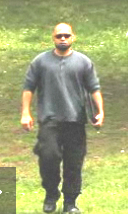
The Crown launched a multi-pronged assault yesterday on the credibility of Asad Ansari, one of the final two accused in the "Toronto 18" terrorism case.
Mr. Ansari, who has denied any role in the 2006 bomb plot and professed to be "scared of weapons," could not explain why police found a cache of files on a CD in his bedroom containing images of violent jihad.
"I can't answer the why," Mr. Ansari said during his cross-examination. "I can only say that I have these images."
The files include photographs of Osama bin Laden and masked militants hoisting AK-47s. In a number of shots, bearded men pose with rocket launchers; others feature a variety of guns and swords.
Mr. Ansari agreed the images glorified the concept of armed mujahideen, but said his aversion to firearms only applied "in real life."
Mr. Ansari, 25, is on trial for participating in a terrorist group that allegedly operated between 2005 and 2006. He admits to attending a winter camping trip organized by "Toronto 18" ringleader Fahim Ahmad, but denies he had any knowledge at the time that the camp was intended as a terrorist training ground.
Ahmad pleaded guilty to terrorism charges this month.
In general, Crown attorney Jason Wakely contended, "[Ahmad] was very open about his plans to attack."
"I guess, sure," Mr. Ansari replied. Yet he maintained Ahmad concealed those plans from him specifically, with discussions on topics such as jihad occurring only in the "theoretical" realm.
The jury has seen a video of the winter camp in Washago, Ont., filmed by Zakaria Amara, who was also charged in the terror plot. In the footage, masked men are seen running through the forest, hoisting a black flag and shooting guns, with Arabic chanting overlaid as a sound-track. Mr. Ansari says he was not present during the filming of any of the violent scenes. "Everything seemed benign and innocuous," he said of the camp.
Mr. Ansari has testified that Amara brought him the camp footage after the event had ended and asked for assistance in converting it to a digital format. This was incriminating evidence, Mr. Wakely pointed out, and "Amara trusted you with that."
"That's correct," the accused testified. Yet he says he never watched any of the footage while he was converting it, simply setting up the conversion process and then leaving the room to do other tasks. The Crown suggested this was false.
"The natural thing to do is to watch it," Mr. Wakely said, noting Mr. Ansari, who was out of school and not working, had little else to focus on at the time.
"I did not [watch]," Mr. Ansari asserted. While he agreed in retrospect it would have
made sense to view the camp video, "it was only happenstance" that he failed to do so.
The Crown also pointed to an intercepted telephone call in which Mr. Ansari speaks to Ahmad about malicious software found on Ahmad's computer.
"You were deliberately cryptic and guarded in this conversation," Mr. Wakely said, alleging Mr. Ansari was aware all the while that Ahmad was the subject of police surveillance, including a wiretap.
"No I did not," Mr. Ansari said. He says he was non-specific in discussing the malicious software because Ahmad "is an idiot when it comes to computers."
At one point in the conversation, Mr. Ansari alerts Ahmad to a program that is sending information out of his computer. "I can guess [where]," Ahmad says. Mr. Ansari, however, fails to follow up with the "obvious question" of where, Mr. Wakely noted.
Mr. Ansari, a self-described computer whiz, said he was not particularly interested in the "amateurish" program, adding it never occurred to him that it was installed by a law-enforcement agency.
The trial resumes today.
Showing posts with label terror case toronto canada. Show all posts
Showing posts with label terror case toronto canada. Show all posts
Wednesday, May 26, 2010
Monday, May 10, 2010
TORONTO 18 TERROR TRIAL - ALMOST OVER
Finally, after 1 youth preliminary hearing, 1 adult preliminary hearing (which the Prosecution cancelled), 1 youth trial, 1 abuse of process motion and 1 trial of adults by jury - my testimony is complete.
I will not say anything further on this case until the jury has reached their verdict and the final tally can be made.
I had discontinued this blog in fairness of an unbiased trial and credit does go to the wonderful society in which we live, where secret trials are not our style and anonymous information not our evidence. Canada is indeed, the best place for all of us to be living.
More to follow when the time is right.
I will not say anything further on this case until the jury has reached their verdict and the final tally can be made.
I had discontinued this blog in fairness of an unbiased trial and credit does go to the wonderful society in which we live, where secret trials are not our style and anonymous information not our evidence. Canada is indeed, the best place for all of us to be living.
More to follow when the time is right.


Thursday, January 21, 2010
SHAREEF ABDELHALEEM - GUILTY ...
FROM: http://www.cbc.ca/canada/toronto/story/2010/01/21/abdelhaleem-guilty-verdict132.html
Toronto 18 member Shareef Abdelhaleem has been found guilty of participating in a bomb plot, but his lawyer will try to put the case on hold by alleging the Crown acted improperly in its investigation.
The defence elected to call no evidence Thursday at Abdelhaleen's trial on charges he participated in a terrorist group and intended to detonate bombs, a spokesman for the Public Prosecution Service of Canada said Thursday.
As such, the court found the Crown established Abdelhaleem's guilt beyond a reasonable doubt, Dan Brien said.
However, a conviction wasn't entered against Abdelhaleem, 34, and the defence is seeking to have the case stayed on the basis of entrapment. Arguments on the entrapment motion are expected Monday.
Bill Gillespie, the security correspondent for CBC News, described the defence move as complicated and designed to reduce Abdelhaleem's punishment.
"If he was to win the argument, then he would not be sentenced, or his sentence will be reduced," Gillespie said.
The defence is expected to argue that if it hadn't been for an RCMP informant, Abdelhaleem would never have gone as far as he did with the plot. The entrapment argument can only be made in the case of a guilty verdict, Gillespie said.
"He can't argue entrapment until he's found guilty of something."
Abdelhaleem and 17 others were arrested in 2006 and charged with terrorism offences. They came to be known as the Toronto 18.
The Crown's only witness, Shaher Elsohemy, was a friend of Abdelhaleem's. He became a police agent and infiltrated the terror cell, which plotted to detonate one-tonne truck bombs at the Toronto offices of CSIS, the Toronto Stock Exchange and an unspecified Ontario military base, court heard.
It is not clear if the defence team will name Elsohemy in the entrapment hearing or another informant, Mubin Shaikh.
Zakaria Amara, 24, the mastermind behind what a judge called the "spine-chilling" plot, was convicted earlier this week and sentenced to life in prison, the stiffest penalty for a terrorist offence, although he could seek parole as early as 2016.
It was the first time the maximum sentenced was handed down under Canada's anti-terrorism laws.
Elsohemy testified that Abdelhaleem initially balked at the bomb plot, saying it was not correct under Islam. Then he became excited at the prospect of profiting from an attack on the stock exchange, Elsohemy said.
The informant testified Abdelhaleem sought the advice of his father, Tariq Abdelhaleem, an engineer who ran an Islamic school, about carrying out a terrorist attack on Canadian soil.
Tariq issued a fatwa, or a religious ruling, that such an action would be "acceptable," placating Abdelhaleem's moral objections, Elsohemy testified.
Abdelhaleem at times had various suggestions for the plot, such as spreading the three bombs over three days instead of detonating them the same day, Elsohemy said. By the fourth day of bombs, Abdelhaleem said, people would be afraid to leave their houses, Elsohemy recalled.
Court heard that Abdelhaleem's view of the plot differed from that of Amara, who wanted to exact "maximum casualties."
Abdelhaleem argued for setting off the bomb at the stock exchange at 6 a.m., when fewer people were around, whereas Amara thought it should happen at 9 a.m., Elsohemy testified.
Abdelhaleem floated several other "more logical" targets if the only intention was to kill people, including: Square One Shopping Centre in Mississauga, Ont., a football or soccer game, or a factory, where the food could be poisoned, Elsohemy said.
Toronto 18 member Shareef Abdelhaleem has been found guilty of participating in a bomb plot, but his lawyer will try to put the case on hold by alleging the Crown acted improperly in its investigation.
The defence elected to call no evidence Thursday at Abdelhaleen's trial on charges he participated in a terrorist group and intended to detonate bombs, a spokesman for the Public Prosecution Service of Canada said Thursday.
As such, the court found the Crown established Abdelhaleem's guilt beyond a reasonable doubt, Dan Brien said.
However, a conviction wasn't entered against Abdelhaleem, 34, and the defence is seeking to have the case stayed on the basis of entrapment. Arguments on the entrapment motion are expected Monday.
Bill Gillespie, the security correspondent for CBC News, described the defence move as complicated and designed to reduce Abdelhaleem's punishment.
"If he was to win the argument, then he would not be sentenced, or his sentence will be reduced," Gillespie said.
The defence is expected to argue that if it hadn't been for an RCMP informant, Abdelhaleem would never have gone as far as he did with the plot. The entrapment argument can only be made in the case of a guilty verdict, Gillespie said.
"He can't argue entrapment until he's found guilty of something."
Abdelhaleem and 17 others were arrested in 2006 and charged with terrorism offences. They came to be known as the Toronto 18.
The Crown's only witness, Shaher Elsohemy, was a friend of Abdelhaleem's. He became a police agent and infiltrated the terror cell, which plotted to detonate one-tonne truck bombs at the Toronto offices of CSIS, the Toronto Stock Exchange and an unspecified Ontario military base, court heard.
It is not clear if the defence team will name Elsohemy in the entrapment hearing or another informant, Mubin Shaikh.
Zakaria Amara, 24, the mastermind behind what a judge called the "spine-chilling" plot, was convicted earlier this week and sentenced to life in prison, the stiffest penalty for a terrorist offence, although he could seek parole as early as 2016.
It was the first time the maximum sentenced was handed down under Canada's anti-terrorism laws.
Elsohemy testified that Abdelhaleem initially balked at the bomb plot, saying it was not correct under Islam. Then he became excited at the prospect of profiting from an attack on the stock exchange, Elsohemy said.
The informant testified Abdelhaleem sought the advice of his father, Tariq Abdelhaleem, an engineer who ran an Islamic school, about carrying out a terrorist attack on Canadian soil.
Tariq issued a fatwa, or a religious ruling, that such an action would be "acceptable," placating Abdelhaleem's moral objections, Elsohemy testified.
Abdelhaleem at times had various suggestions for the plot, such as spreading the three bombs over three days instead of detonating them the same day, Elsohemy said. By the fourth day of bombs, Abdelhaleem said, people would be afraid to leave their houses, Elsohemy recalled.
Court heard that Abdelhaleem's view of the plot differed from that of Amara, who wanted to exact "maximum casualties."
Abdelhaleem argued for setting off the bomb at the stock exchange at 6 a.m., when fewer people were around, whereas Amara thought it should happen at 9 a.m., Elsohemy testified.
Abdelhaleem floated several other "more logical" targets if the only intention was to kill people, including: Square One Shopping Centre in Mississauga, Ont., a football or soccer game, or a factory, where the food could be poisoned, Elsohemy said.
Tuesday, January 19, 2010
MORE DETAILS ON TORONTO BOMB PLOT AGENT #2 COSTS
*** Again, I remind everyone that this is a drop in the bucket compared to how much Canada would have lost. YOU try cutting off everyone you know - uproot your whole family - tell 'em all to start over again - with new identities THEN come tell me how much YOU want in compensation. There's SEVEN people involved here folks - try not to be so envious (cardinal sin it is). Good for you Agent #2, you did what very, very few Canadians would ever even contemplate doing. MS ***
FROM: http://www.google.com/hostednews/canadianpress/article/ALeqM5idLisXu6ZqmWi7mqP7Dy-JI_vjaQ
BRAMPTON, Ont. — An RCMP informant central to disrupting a plot to bomb several targets in Ontario initially requested $15 million in compensation from the Mounties, court heard Tuesday.
Shaher Elsohemy was in his second week of testimony at the trial of his former friend Shareef Abdelhaleem, who has pleaded not guilty to participating in a terrorist group and intending to detonate bombs. The explosions were to occur outside the Toronto Stock Exchange, at CSIS offices in Toronto and an Ontario military base in what's known as the Toronto 18 terror plot.
The ringleader Zakaria Amara, 24, was handed the stiffest sentence Monday under Canada's terrorism laws - life - though he can seek parole in 2016.
Abdelhaleem's lawyer William Naylor has said both publicly and in court that the compensation for Elsohemy's work to infiltrate the plot and for putting him under witness protection was $4.1 million, but documents Naylor showed in court Tuesday revealed Elsohemy was offered up to $3.99 million.
But when Elsohemy first discussed money with the RCMP in April 2006 - he had been meeting with CSIS agents before becoming a paid RCMP agent - he asked for $15 million, but was told that amount was too high.
"That was my highest level I started negotiating with," Elsohemy acknowledged Tuesday under cross-examination from Naylor.
"It was more what they asked me to go through... The cost of relocation and the suffering that myself and my family has to go through."
Elsohemy testified last week that his participation in the police operation wasn't motivated by money, but by a desire to be a moral, responsible Canadian citizen.
Abdelhaleem, 34, and 17 others were arrested and charged in the summer of 2006 in what Amara's sentencing judge characterized as a "spine-chilling" plot that but for the intervention of Abdelhaleem and another police agent would have been "the most horrific crime Canada has ever seen."
Elsohemy confirmed he received a payout of $500,000 and his parents and two brothers also received a total of $500,000.
The remaining $2.99 million consisted of money to cover costs for Elsohemy and several family members - including his wife and daughter - to relocate. Some of the figures were decided upon as fixed amounts, while the RCMP offered up to a certain amount for other costs, court heard.
Naylor showed the court documents itemizing the various amounts. The fixed costs were listed as: $750,000 for the loss of Elsohemy's business, $100,000 for Elsohemy's two cars, $100,000 for "start-up" including furniture, $200,000 in a category that had been blacked out on the document, $75,000 for his parents' cars, and $40,000 for his parents' debts. They also included $30,000 for his youngest brother's car, $100,000 for start-up for his youngest brother, $100,000 for his older brother's debts, $30,000 for his older brother's car and a further $150,000 under another blacked out category.
The RCMP compensation package also included offers of: up to $900,000 for Elsohemy's home, up to $40,000 for dental work for his wife, up to $50,000 to cover his debts, up to $300,000 for his parents' home and up to $25,000 for his youngest brother's debts, the documents showed.
It's not clear if Elsohemy and his family used all of the "up to" money, some of it or none.
The total amount offered differs drastically from what the other RCMP informant received after helping to snag the group. Mubin Shaikh received $300,000 from the Mounties.
Elsohemy has previously testified that Amara revealed his bomb plot to Elsohemy and Abdelhaleem at a restaurant and that Abdelhaleem initially objected to it, but later became excited at the prospect of profiting financially from an attack on the stock exchange
FROM: http://www.google.com/hostednews/canadianpress/article/ALeqM5idLisXu6ZqmWi7mqP7Dy-JI_vjaQ
BRAMPTON, Ont. — An RCMP informant central to disrupting a plot to bomb several targets in Ontario initially requested $15 million in compensation from the Mounties, court heard Tuesday.
Shaher Elsohemy was in his second week of testimony at the trial of his former friend Shareef Abdelhaleem, who has pleaded not guilty to participating in a terrorist group and intending to detonate bombs. The explosions were to occur outside the Toronto Stock Exchange, at CSIS offices in Toronto and an Ontario military base in what's known as the Toronto 18 terror plot.
The ringleader Zakaria Amara, 24, was handed the stiffest sentence Monday under Canada's terrorism laws - life - though he can seek parole in 2016.
Abdelhaleem's lawyer William Naylor has said both publicly and in court that the compensation for Elsohemy's work to infiltrate the plot and for putting him under witness protection was $4.1 million, but documents Naylor showed in court Tuesday revealed Elsohemy was offered up to $3.99 million.
But when Elsohemy first discussed money with the RCMP in April 2006 - he had been meeting with CSIS agents before becoming a paid RCMP agent - he asked for $15 million, but was told that amount was too high.
"That was my highest level I started negotiating with," Elsohemy acknowledged Tuesday under cross-examination from Naylor.
"It was more what they asked me to go through... The cost of relocation and the suffering that myself and my family has to go through."
Elsohemy testified last week that his participation in the police operation wasn't motivated by money, but by a desire to be a moral, responsible Canadian citizen.
Abdelhaleem, 34, and 17 others were arrested and charged in the summer of 2006 in what Amara's sentencing judge characterized as a "spine-chilling" plot that but for the intervention of Abdelhaleem and another police agent would have been "the most horrific crime Canada has ever seen."
Elsohemy confirmed he received a payout of $500,000 and his parents and two brothers also received a total of $500,000.
The remaining $2.99 million consisted of money to cover costs for Elsohemy and several family members - including his wife and daughter - to relocate. Some of the figures were decided upon as fixed amounts, while the RCMP offered up to a certain amount for other costs, court heard.
Naylor showed the court documents itemizing the various amounts. The fixed costs were listed as: $750,000 for the loss of Elsohemy's business, $100,000 for Elsohemy's two cars, $100,000 for "start-up" including furniture, $200,000 in a category that had been blacked out on the document, $75,000 for his parents' cars, and $40,000 for his parents' debts. They also included $30,000 for his youngest brother's car, $100,000 for start-up for his youngest brother, $100,000 for his older brother's debts, $30,000 for his older brother's car and a further $150,000 under another blacked out category.
The RCMP compensation package also included offers of: up to $900,000 for Elsohemy's home, up to $40,000 for dental work for his wife, up to $50,000 to cover his debts, up to $300,000 for his parents' home and up to $25,000 for his youngest brother's debts, the documents showed.
It's not clear if Elsohemy and his family used all of the "up to" money, some of it or none.
The total amount offered differs drastically from what the other RCMP informant received after helping to snag the group. Mubin Shaikh received $300,000 from the Mounties.
Elsohemy has previously testified that Amara revealed his bomb plot to Elsohemy and Abdelhaleem at a restaurant and that Abdelhaleem initially objected to it, but later became excited at the prospect of profiting financially from an attack on the stock exchange
Monday, January 18, 2010
ZAKARIA AMARA : NEED FOR MORE PREVENTION
FROM: http://www.marketwire.com/press-release/Media-Advisory-Zakaria-Amaras-Change-Heart-Prison-Highlights-Need-Tolerance-Diversity-1103287.htm
TORONTO, ONTARIO--(Marketwire - Jan. 18, 2010) - "The apology of convicted terrorist Zakaria Amara highlights the need for diversity training and tolerance to avoid the formation of groups like the Toronto 18," according to Avi Benlolo, President and CEO of Friends of Simon Wiesenthal Center for Holocaust Studies.
Amara, sentenced today to life in prison for his role as the leader of a plot to bomb downtown Toronto, was by his own admission led down the 'path of extremism' due to his 'isolation from the real world'; it was only after he was befriended by a Jewish inmate that he began to question his own ideology.
"The moral of this story is that being isolated in our communities and cut off from the rich fabric of Canadian society is exactly the problem," explains Benlolo. What is desperately needed is greater diversity training and more bridge building between our multicultural communities to help turn hostility to understanding and apprehension to acceptance," he adds.
About Friends of Simon Wiesenthal Center for Holocaust Studies
Friends of Simon Wiesenthal Center for Holocaust Studies is a Canadian human rights organization dedicated to fostering tolerance and understanding through community involvement, educational outreach and social action. It has 25,000 members across Canada, and confronts important contemporary issues including racism, antisemitism, terrorism and genocide. The Center is affiliated with the world-wide, Los Angeles-based Simon Wiesenthal Center, an accredited Non-Government Organization with status at international agencies, including the United Nations, UNESCO, OSCE and the Council of Europe. With over 400,000 members of all faiths around the world, the Simon Wiesenthal Center has offices in New York, Miami, Paris, Jerusalem, Buenos Aires and Toronto.
TORONTO, ONTARIO--(Marketwire - Jan. 18, 2010) - "The apology of convicted terrorist Zakaria Amara highlights the need for diversity training and tolerance to avoid the formation of groups like the Toronto 18," according to Avi Benlolo, President and CEO of Friends of Simon Wiesenthal Center for Holocaust Studies.
Amara, sentenced today to life in prison for his role as the leader of a plot to bomb downtown Toronto, was by his own admission led down the 'path of extremism' due to his 'isolation from the real world'; it was only after he was befriended by a Jewish inmate that he began to question his own ideology.
"The moral of this story is that being isolated in our communities and cut off from the rich fabric of Canadian society is exactly the problem," explains Benlolo. What is desperately needed is greater diversity training and more bridge building between our multicultural communities to help turn hostility to understanding and apprehension to acceptance," he adds.
About Friends of Simon Wiesenthal Center for Holocaust Studies
Friends of Simon Wiesenthal Center for Holocaust Studies is a Canadian human rights organization dedicated to fostering tolerance and understanding through community involvement, educational outreach and social action. It has 25,000 members across Canada, and confronts important contemporary issues including racism, antisemitism, terrorism and genocide. The Center is affiliated with the world-wide, Los Angeles-based Simon Wiesenthal Center, an accredited Non-Government Organization with status at international agencies, including the United Nations, UNESCO, OSCE and the Council of Europe. With over 400,000 members of all faiths around the world, the Simon Wiesenthal Center has offices in New York, Miami, Paris, Jerusalem, Buenos Aires and Toronto.
ZAKARIA AMARA GETS LIFE IN PRISON
***
Terrorism is totally against Islam and harms Muslims and their families, first and foremost. At least, according to the Judge, Zakaria Amara has shown capacity to be rehabilitated, which means there is hope.
No system is without its faults & failures - including Shariah systems - because both are subject to the interpretations and inclinations of human beings that, we hope, strive to arrive at what is "more just" in their application of the law. This is the "Ijtehad" that everyone talks about reviving. It was on display today in a Canadian court.
"God keep our land...". Amen.
MS
***
Jan 18, 2010 16:11 ET
Sentence in R. v. Amara
OTTAWA, ONTARIO--(Marketwire - Jan. 18, 2010) - Zakaria Amara, 24, was sentenced today in Ontario Superior Court to life in jail for his role in a terrorist plot to bomb Toronto and nine years for his participation in a terrorist group.
Mr. Amara pleaded guilty on October 8, 2009 to one count of committing an indictable offence in association with a terrorist group, namely doing anything with intent to cause an explosion that was likely to cause serious bodily harm or death or was likely to cause serious damage to property contrary to s.81(1)(a) of the Criminal Code.
He also pleaded guilty to one count of knowingly participating in or contributing to, directly or indirectly, any activity of a terrorist group for the purpose of enhancing the ability of the terrorist group to facilitate or carry out a terrorist activity, thereby committing an offence contrary to section 83.18(1) of the Criminal Code.
Mr. Amara has 30 days to decide whether he will appeal his sentence.
Mr. Amara has been in custody since his arrest on June 2, 2006.
Court-ordered publication bans continue to be in effect on this matter.
Terrorism is totally against Islam and harms Muslims and their families, first and foremost. At least, according to the Judge, Zakaria Amara has shown capacity to be rehabilitated, which means there is hope.
No system is without its faults & failures - including Shariah systems - because both are subject to the interpretations and inclinations of human beings that, we hope, strive to arrive at what is "more just" in their application of the law. This is the "Ijtehad" that everyone talks about reviving. It was on display today in a Canadian court.
"God keep our land...". Amen.
MS
***
Jan 18, 2010 16:11 ET
Sentence in R. v. Amara
OTTAWA, ONTARIO--(Marketwire - Jan. 18, 2010) - Zakaria Amara, 24, was sentenced today in Ontario Superior Court to life in jail for his role in a terrorist plot to bomb Toronto and nine years for his participation in a terrorist group.
Mr. Amara pleaded guilty on October 8, 2009 to one count of committing an indictable offence in association with a terrorist group, namely doing anything with intent to cause an explosion that was likely to cause serious bodily harm or death or was likely to cause serious damage to property contrary to s.81(1)(a) of the Criminal Code.
He also pleaded guilty to one count of knowingly participating in or contributing to, directly or indirectly, any activity of a terrorist group for the purpose of enhancing the ability of the terrorist group to facilitate or carry out a terrorist activity, thereby committing an offence contrary to section 83.18(1) of the Criminal Code.
Mr. Amara has 30 days to decide whether he will appeal his sentence.
Mr. Amara has been in custody since his arrest on June 2, 2006.
Court-ordered publication bans continue to be in effect on this matter.
Tuesday, December 29, 2009
SIX REMAINING ACCUSED TO FACE TRIAL IN TORONTO 18
FROM: http://www.cp24.com/servlet/an/local/CTVNews/20091229/091229_terror_trial/20091229/?hub=CP24Home
Remaining six alleged Toronto 18 members face trials in 2010 on terror charges
TORONTO — The case of Canada's notorious homegrown terror plot enters a significant phase in 2010 with the trials upcoming for the final six alleged members, accused of attending a training camp and plotting to bomb various targets.
The prosecution of the so-called Toronto 18 seemed on shaky ground at the start of this year, with seven people no longer facing charges and one conviction of a youth characterized as a peripheral member.
"Some people, I think on the basis of that set of events, leapt to the conclusion that maybe the government's case was falling apart, maybe there wasn't a serious plot here at all," said security and intelligence expert Wesley Wark.
But then came four surprise guilty pleas in fairly quick succession, with each of the young men admitting to roles in the plot to detonate bombs outside the Toronto Stock Exchange and CSIS headquarters, as well as an unnamed Ontario military base in 2006.
What Wark found unexpected was not that some of the 18 people arrested would plead or eventually be found guilty, but the facts that they admitted to in court.
"The thing that did surprise me was simply some of the details that emerged about the seriousness about the plot itself and the seeming capabilities of some of the key individuals involved," said the professor at the Munk Centre for International Studies at the University of Toronto.
Video evidence made public in October shows the dancing wires of a cellphone bomb detonator on a tape made by Zakaria Amara, 24, a leader of the plot who pleaded guilty.
The RCMP also made a video demonstrating the massive destructive power of what kind of damage a truck bomb using one tonne of ammonium nitrate could do. Saad Gaya, 22, and Saad Khalid, 23, who have pleaded guilty, were arrested unloading bags labelled "ammonium nitrate" from a truck driven by an undercover police officer.
Court heard Amara planned to rent U-Haul trucks, pack them with explosives and detonate them via remote control in downtown Toronto. Amara also planned to put metal chips in bombs to exact more casualties in what they called the "Battle of Toronto."
The goal of the planned destruction and carnage was to pressure Canada to withdraw troops from Afghanistan, Gaya told police in his post-arrest interview.
The judge in the youth's case, in handing down his ruling, said there clearly was a homegrown Islamic terrorist cell bent on wreaking havoc and bloodshed in Canada.
The Crown has alleged some of the men held a terrorism training camp north of Toronto and that others were involved in the bomb plot.
One of the remaining men is expected to have his trial by judge in January, while the other five men's case is expected to be put in front of a jury starting in March.
The guilty pleas and the outcome of the first man's trial will have absolutely no bearing on the last five men's case, said lawyer William Naylor, who represents the man who will stand trial in January.
"The people that are going to get tried, their case has nothing to do with the people who pleaded guilty," Naylor said.
"The outcome of Mr. Gaya, Mr. Khalid, Mr. Amara and my client has nothing whatsoever to do with the remaining accused."
The fact that those five men have elected trial by jury is breaking new ground. This is the first time an Anti-Terrorism Act case will be tried by a jury, Wark said.
"This will be something new, to see how juries are selected, how juries respond to the evidence, what the outcome of jury trials might be when it comes to terrorism offences," he said.
How those found guilty of such offences are sentenced and what credit is given for time already served should also become clearer in 2010.
The youth walked free after being sentenced to 2 1/2 years due to time served. Khalid was sentenced to 14 years, with seven years' credit for time served, though the government is appealing the sentence.
Ali Dirie, 26, was sentenced to seven years, with five years' credit for time served. Gaya and Amara are expected to be sentenced in January. No one has yet been sentenced to life in prison, the maximum sentence under the anti-terror law.
All of the six men awaiting trial have been in custody since their arrests in June 2006, except for one, who was granted bail in August.
Remaining six alleged Toronto 18 members face trials in 2010 on terror charges
TORONTO — The case of Canada's notorious homegrown terror plot enters a significant phase in 2010 with the trials upcoming for the final six alleged members, accused of attending a training camp and plotting to bomb various targets.
The prosecution of the so-called Toronto 18 seemed on shaky ground at the start of this year, with seven people no longer facing charges and one conviction of a youth characterized as a peripheral member.
"Some people, I think on the basis of that set of events, leapt to the conclusion that maybe the government's case was falling apart, maybe there wasn't a serious plot here at all," said security and intelligence expert Wesley Wark.
But then came four surprise guilty pleas in fairly quick succession, with each of the young men admitting to roles in the plot to detonate bombs outside the Toronto Stock Exchange and CSIS headquarters, as well as an unnamed Ontario military base in 2006.
What Wark found unexpected was not that some of the 18 people arrested would plead or eventually be found guilty, but the facts that they admitted to in court.
"The thing that did surprise me was simply some of the details that emerged about the seriousness about the plot itself and the seeming capabilities of some of the key individuals involved," said the professor at the Munk Centre for International Studies at the University of Toronto.
Video evidence made public in October shows the dancing wires of a cellphone bomb detonator on a tape made by Zakaria Amara, 24, a leader of the plot who pleaded guilty.
The RCMP also made a video demonstrating the massive destructive power of what kind of damage a truck bomb using one tonne of ammonium nitrate could do. Saad Gaya, 22, and Saad Khalid, 23, who have pleaded guilty, were arrested unloading bags labelled "ammonium nitrate" from a truck driven by an undercover police officer.
Court heard Amara planned to rent U-Haul trucks, pack them with explosives and detonate them via remote control in downtown Toronto. Amara also planned to put metal chips in bombs to exact more casualties in what they called the "Battle of Toronto."
The goal of the planned destruction and carnage was to pressure Canada to withdraw troops from Afghanistan, Gaya told police in his post-arrest interview.
The judge in the youth's case, in handing down his ruling, said there clearly was a homegrown Islamic terrorist cell bent on wreaking havoc and bloodshed in Canada.
The Crown has alleged some of the men held a terrorism training camp north of Toronto and that others were involved in the bomb plot.
One of the remaining men is expected to have his trial by judge in January, while the other five men's case is expected to be put in front of a jury starting in March.
The guilty pleas and the outcome of the first man's trial will have absolutely no bearing on the last five men's case, said lawyer William Naylor, who represents the man who will stand trial in January.
"The people that are going to get tried, their case has nothing to do with the people who pleaded guilty," Naylor said.
"The outcome of Mr. Gaya, Mr. Khalid, Mr. Amara and my client has nothing whatsoever to do with the remaining accused."
The fact that those five men have elected trial by jury is breaking new ground. This is the first time an Anti-Terrorism Act case will be tried by a jury, Wark said.
"This will be something new, to see how juries are selected, how juries respond to the evidence, what the outcome of jury trials might be when it comes to terrorism offences," he said.
How those found guilty of such offences are sentenced and what credit is given for time already served should also become clearer in 2010.
The youth walked free after being sentenced to 2 1/2 years due to time served. Khalid was sentenced to 14 years, with seven years' credit for time served, though the government is appealing the sentence.
Ali Dirie, 26, was sentenced to seven years, with five years' credit for time served. Gaya and Amara are expected to be sentenced in January. No one has yet been sentenced to life in prison, the maximum sentence under the anti-terror law.
All of the six men awaiting trial have been in custody since their arrests in June 2006, except for one, who was granted bail in August.
Tuesday, December 22, 2009
MUBIN SHAIKH : TORONTO BOMB PLOT - A PIOUS MOLE
http://www.q-news.com/368-PiousMole.html
A Pious Mole
Page 24
Q-News, Issue 368
Sept-Oct 2006
In the aftermath of the high-profile anti-terror arrests in Toronto earlier this year there were murmurings that behind the intelligence used to finger the 17 suspects, lurked a devout informant – a bearded, kurta-wearing spook who was able to get between the alleged plotters and their dastardly plans. Mudasser Ali reports on how Mubin Shaikh became the silver lining in the Muslim Canada’s stormy cloud.
The Muslim community in Toronto has been unanimous (officially at least) in its condemnation of the foiled alleged plans of 17 Muslims suspects to launch a potentially devastating terrorist attack in Canada. In an interesting twist, there had been angry whispers in some circles that on the day of the arrests, the media had refused to acknowledge the help of a fellow Muslim who has been instrumental in the investigation that lead to the arrests. This missing piece of information, they said, would have created a clear schism between ordinary Muslims who had nothing to do with this and an isolated band of lunatics, thereby sparing ‘the rest of us’ any potential backlash. Such talk was also evidence that elements within the Muslim community were fully aware that certain people were being watched and that there was a ‘mole’ amongst them. The disgruntled didn’t have long to wait.
On 13 July 2006, Mubin Shaikh, in an interview with senior journalist Linden McIntyre of the prime-time current affairs show The Fifth Estate, broadcast his role in the arrests while working as an informant for the Canadian Security and Intelligence Service and, once the formal criminal investigation had commenced, as a paid-agent for Royal Canadian Mounted Police. To say that things had gotten interesting was an understatement: Shaikh’s intrigues sent shockwaves through the Muslim grapevine. If Shaikh’s aim was to bolster the Muslim image, mission accomplished.
A quick glance at the comments received by the CBC by non-Muslim Canadians on its website gave ample evidence that Shaikh had already become a hero of sorts and people were starting to make the long-awaited distinction between terrorism and Muslims. In one instance, someone had even praised Shaikh for showing the true meaning of patriotism to the rest of Canada.
Some time has passed and it now apparent that there is no actual consensus on what Muslims are saying about Mubin Shaikh. On one side, there are those who believe that Shaikh did his patriotic (some would argue Islamic) duty, citing the maxim that whether Muslim or not, a crime remains a crime regardless of who is committing it and that turning the criminal in is simply a no-brainer. On the other hand, people who disapprove of his actions cite the fact that Shaikh, more than an informant, was an agent of ‘entrapment’ who not only spurned the chance to wean the youth in question towards safety but furthermore, became the de-facto leader of the group essentially leading them into wrong-doing. Entrapment is often used in non-terrorist cases and it is by no means free of the ‘morally questionable’ label. “It’s going to depend on the disclosure and what role the operative played,” said Paul Copeland, a Toronto criminal lawyer representing one of the 17 accused, to the Hamilton Spectator. “It’s not appropriate for police to encourage a crime and then arrest those suspected of committing that crime.”
The courts will most definitely deal with this aspect of the case meticulously. It is an exercise in futility to discuss the specifics of this case over chai and biscuits for the simple fact that in the absence of publicly declared evidence, nobody really knows what happened. In regards to Shaikh’s decision of non-guidance in favour of getting the 17 arrested, most people arguing against his decision have, become self-anointed arbiters with an exclusive right to absolute moral judgment. This is even more dangerous when the criterion for this judgment happens to be media tidbits, urban myth and an outright disregard for the nuances of being employed by the federal government.
Of his critics, Saffiyah Ali, a blogger, activist and PhD student at the University of Toronto, has been the most prominent. Quoted eagerly by Daniel Pipes as the de facto Muslim response to Shaikh’s doings, her piece is a perfect case of empty rhetoric laced with misinformed, sheltered naivety. Not only does she manage to reassert the stereotypical alarmist Muslim response, but also does a splendid job of furthering the unfortunate hackneyed idea that Muslims see justice not universally but in a selfish and opportunistic way.
Ali proclaims, “All citizens have an obligation to report a terrorist plot to the police should they find out about it… But this type of informing is different from the kind whereby one actually seeks out suspicious members of the community, wins their confidence, infiltrates the group, appears to be in the game, and then betrays the trust of those individuals (and the wider community) in the process.” Too bad that the taboo variety of ‘informing’ Ali criticizes happens to be the very definition of espionage. One does not ‘find out’ about terror plots in the happy-go-lucky manner described above unless you are standing beside the charred remains of the Parliament buildings and happen to spot some bearded fellows. This is a case with many potential complications. Before rushing to judgment in the absence of empirical fact, one should at least have the courtesy to perform the Islamic duty of giving an apparently well-intentioned believer the benefit of doubt.
Looking at this from a pragmatic point of view, it becomes increasingly harder to mount a case that makes Shaikh out to be a malicious attention-monger who was in it for the money. Being eccentric does not make you immoral. Apart from being a respected community leader in the Keele-Eglinton area of Toronto and a conflict resolution specialist at the local Masjid El Noor, Shaikh is also Multiculturalism Chair for his local Liberal Party riding association. While not being sterling evidence of his innocence from the charges of mischievousness made against him, his profile stands in his defense. It makes little sense that Shaikh (while refusing court protection) would risk potential backlash – and the possibility of being an outcast – from the very community he aimed to help by revealing himself. There are easier ways to get famous.
Being unprincipled in times of tribulation – fitnah – can expose a community for lacking true mettle. The question that needs to be asked now is, why unnecessarily unload the burden of condemnation on the basis of a hunch? Leave the demonizing at the door and let the courts do their job. The defense is sure to diligently make use of the circumstances that point to entrapment. If Shaikh, and by extension, the government is found guilty of entrapment, the legal system will undoubtedly penalize the offender and clear the accused of any wrongdoing.
In the meantime, we should collectively chalk one up for the Muslims in Canada who were delivering a rare public relations triumph by a pious mole.
A Pious Mole
Page 24
Q-News, Issue 368
Sept-Oct 2006
In the aftermath of the high-profile anti-terror arrests in Toronto earlier this year there were murmurings that behind the intelligence used to finger the 17 suspects, lurked a devout informant – a bearded, kurta-wearing spook who was able to get between the alleged plotters and their dastardly plans. Mudasser Ali reports on how Mubin Shaikh became the silver lining in the Muslim Canada’s stormy cloud.
The Muslim community in Toronto has been unanimous (officially at least) in its condemnation of the foiled alleged plans of 17 Muslims suspects to launch a potentially devastating terrorist attack in Canada. In an interesting twist, there had been angry whispers in some circles that on the day of the arrests, the media had refused to acknowledge the help of a fellow Muslim who has been instrumental in the investigation that lead to the arrests. This missing piece of information, they said, would have created a clear schism between ordinary Muslims who had nothing to do with this and an isolated band of lunatics, thereby sparing ‘the rest of us’ any potential backlash. Such talk was also evidence that elements within the Muslim community were fully aware that certain people were being watched and that there was a ‘mole’ amongst them. The disgruntled didn’t have long to wait.
On 13 July 2006, Mubin Shaikh, in an interview with senior journalist Linden McIntyre of the prime-time current affairs show The Fifth Estate, broadcast his role in the arrests while working as an informant for the Canadian Security and Intelligence Service and, once the formal criminal investigation had commenced, as a paid-agent for Royal Canadian Mounted Police. To say that things had gotten interesting was an understatement: Shaikh’s intrigues sent shockwaves through the Muslim grapevine. If Shaikh’s aim was to bolster the Muslim image, mission accomplished.
A quick glance at the comments received by the CBC by non-Muslim Canadians on its website gave ample evidence that Shaikh had already become a hero of sorts and people were starting to make the long-awaited distinction between terrorism and Muslims. In one instance, someone had even praised Shaikh for showing the true meaning of patriotism to the rest of Canada.
Some time has passed and it now apparent that there is no actual consensus on what Muslims are saying about Mubin Shaikh. On one side, there are those who believe that Shaikh did his patriotic (some would argue Islamic) duty, citing the maxim that whether Muslim or not, a crime remains a crime regardless of who is committing it and that turning the criminal in is simply a no-brainer. On the other hand, people who disapprove of his actions cite the fact that Shaikh, more than an informant, was an agent of ‘entrapment’ who not only spurned the chance to wean the youth in question towards safety but furthermore, became the de-facto leader of the group essentially leading them into wrong-doing. Entrapment is often used in non-terrorist cases and it is by no means free of the ‘morally questionable’ label. “It’s going to depend on the disclosure and what role the operative played,” said Paul Copeland, a Toronto criminal lawyer representing one of the 17 accused, to the Hamilton Spectator. “It’s not appropriate for police to encourage a crime and then arrest those suspected of committing that crime.”
The courts will most definitely deal with this aspect of the case meticulously. It is an exercise in futility to discuss the specifics of this case over chai and biscuits for the simple fact that in the absence of publicly declared evidence, nobody really knows what happened. In regards to Shaikh’s decision of non-guidance in favour of getting the 17 arrested, most people arguing against his decision have, become self-anointed arbiters with an exclusive right to absolute moral judgment. This is even more dangerous when the criterion for this judgment happens to be media tidbits, urban myth and an outright disregard for the nuances of being employed by the federal government.
Of his critics, Saffiyah Ali, a blogger, activist and PhD student at the University of Toronto, has been the most prominent. Quoted eagerly by Daniel Pipes as the de facto Muslim response to Shaikh’s doings, her piece is a perfect case of empty rhetoric laced with misinformed, sheltered naivety. Not only does she manage to reassert the stereotypical alarmist Muslim response, but also does a splendid job of furthering the unfortunate hackneyed idea that Muslims see justice not universally but in a selfish and opportunistic way.
Ali proclaims, “All citizens have an obligation to report a terrorist plot to the police should they find out about it… But this type of informing is different from the kind whereby one actually seeks out suspicious members of the community, wins their confidence, infiltrates the group, appears to be in the game, and then betrays the trust of those individuals (and the wider community) in the process.” Too bad that the taboo variety of ‘informing’ Ali criticizes happens to be the very definition of espionage. One does not ‘find out’ about terror plots in the happy-go-lucky manner described above unless you are standing beside the charred remains of the Parliament buildings and happen to spot some bearded fellows. This is a case with many potential complications. Before rushing to judgment in the absence of empirical fact, one should at least have the courtesy to perform the Islamic duty of giving an apparently well-intentioned believer the benefit of doubt.
Looking at this from a pragmatic point of view, it becomes increasingly harder to mount a case that makes Shaikh out to be a malicious attention-monger who was in it for the money. Being eccentric does not make you immoral. Apart from being a respected community leader in the Keele-Eglinton area of Toronto and a conflict resolution specialist at the local Masjid El Noor, Shaikh is also Multiculturalism Chair for his local Liberal Party riding association. While not being sterling evidence of his innocence from the charges of mischievousness made against him, his profile stands in his defense. It makes little sense that Shaikh (while refusing court protection) would risk potential backlash – and the possibility of being an outcast – from the very community he aimed to help by revealing himself. There are easier ways to get famous.
Being unprincipled in times of tribulation – fitnah – can expose a community for lacking true mettle. The question that needs to be asked now is, why unnecessarily unload the burden of condemnation on the basis of a hunch? Leave the demonizing at the door and let the courts do their job. The defense is sure to diligently make use of the circumstances that point to entrapment. If Shaikh, and by extension, the government is found guilty of entrapment, the legal system will undoubtedly penalize the offender and clear the accused of any wrongdoing.
In the meantime, we should collectively chalk one up for the Muslims in Canada who were delivering a rare public relations triumph by a pious mole.
Subscribe to:
Posts (Atom)