Judge spikes child-porn case against Muslim preacher targeted by CSIS
Colin Freeze
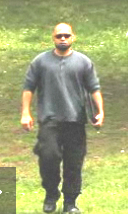
Kiddie-porn charges have been dropped against a Muslim preacher, with a judge ruling that “threats and intimidation” by CSIS agents railroaded the man into handing over evidence.
In 2007, Brampton's Ayad Mejid had had enough of a long-standing Canadian Security Intelligence Service investigation. Targeted as a suspected supporter of terrorism, he lent his laptop to authorities to try to prove his innocence. CSIS agents who searched the laptop without a warrant passed it to Toronto Police detectives, who in turn arrested Mr. Mejid. Police alleged that they found child-pornography images inside.
On Wednesday, on the eve of a long-delayed trial, a court ruled that any Crown evidence against Mr. Mejid was moot. Faulting CSIS for being beyond aggressive, Superior Court Justice Jane Kelly tossed the case.
“The intrusion into Mr. Mejid's computer on the basis of consent obtained by threats and coercion was not merely technical in nature or the result of an understandable mistake,” Judge Kelly found. “Simply put, it was produced under compulsion.”
The written decision says CSIS spent years targeting Mr. Mejid, convincing him to take a polygraph test, threatening to expose an alleged extramarital affair, and directing law-enforcement agencies to search for porn on his computers. Prior to his handing over his laptop, CSIS agents told him his “life would change” if he did not co-operate.
“The CSIS conduct in seizing and searching Mr. Mejid’s computer in the circumstances of false misrepresentations is reprehensible,” Judge Kelly wrote.
Anser Farooq, Mr. Mejid’s lawyer, said his client has always denied links to terrorism or perusing child pornography. “He's said from day one, ‘This was not mine.’ ”
Unlike police or judges, CSIS agents lack powers to arrest or compel testimony. So the spies use whatever leverage they can exert to get people to speak to any potential acts of terrorism.
The more dogged the line of inquiry, the more exposed the spy service is to complaints from immigrants and immigrant communities. Yet given how CSIS tries to stay out of court, it’s rare for any judge to endorse such complaints.
CSIS agents began zeroing in on Mr. Mejid in 2003, amid suspicions he had a hand in starting an Internet outfit known as the Global Islamic Media Forum. GIMF attracts Islamists whose posts can glorify terrorism – not a crime in Canada. Some GIMF members in Canada and Austria have been recently convicted of plotting terrorist attacks.
Prior to the laptop incident, Mr. Mejid allowed CSIS to snoop inside his computers on several occasions. He even consented to a polygraph, which CSIS maintained he flunked.
Throughout, the Iraqi-born immigrant denied links to terrorism. After handing over his laptop in 2007, he found himself also denying a child-pornography rap. In an interview following his arrest, Mr. Mejid told The Globe and Mail he had never even heard of pedophilia before his run-ins with CSIS. “I didn't know there are some sick people like that,” he said at the time. “I didn't know there was this situation [that] some people like kids.”
With all the evidence tossed, the courts will no longer determine who is culpable for the obscene material.
*** Too bad the Agent(s) had to resort to these type of tactics - the case was good, the evidence was there and now this guy walks. Part of the problem is the attitude of non cooperation by members of the Muslim community and part of the problem is the shady tactics used by some Agents. There is a SERIOUS credibility gap that does not have to exist - if only the right approach is taken. Opponents of CSIS will take this is a victory of sorts but altogether avoid the fact that the laptop DID have child porn images on it.
I take this opportunity to repeat calls for a Parliamentary Oversight committee to be able to instantly investigate CSIS and the RCMP in national security matters (Canada is the only major Western country to not have one) which could construct a "rules of engagement" policy that will avoid cases like this. MS ***
Showing posts with label CSIS RCMP culture change. Show all posts
Showing posts with label CSIS RCMP culture change. Show all posts
Thursday, October 7, 2010
Friday, October 1, 2010
CANADIANS OFF FOR JIHAD? MANHUNT ON...
http://www.theglobeandmail.com/news/national/global-manhunt-for-canadian-students/article1736541/singlepage/#articlecontent
They were three Muslim boys, from different parts of the world, with very different personalities.
Ferid Imam was an honours student from East Africa, an aspiring pharmacist and, according to his high-school soccer coach, “a dream player.” Muhannad al-Farekh hopped from Texas to the United Arab Emirates to Jordan to the Prairies. Miawand Yar, an ethnic Afghani born in Pakistan, was a schoolyard bully who was arrested for selling crack on his 20th birthday.
But in early 2007, instead of finishing their degrees at the University of Manitoba, the three friends boarded a plane bound for Pakistan via Europe. Their mysterious departure has sparked one of Canada’s most expensive and elaborate national security investigations since 9/11. Their flight has prompted CSIS agents to fan out around Winnipeg and the RCMP counterterrorism unit to pull in officers from across the country. The Federal Bureau of Investigation has dispatched agents to the Middle East as part of their hunt, and the young men have been the subject of secret briefings to U.S. presidents George W. Bush and Barack Obama.
Sources said they were next spotted in Peshawar – the gateway to the lawless tribal area bordering Afghanistan that is suspected of sheltering senior members of al-Qaeda. They were traced to the mountainous region of Waziristan, a magnet for insurgents and missile strikes from unmanned U.S. drones.
The Globe and Mail learned the identities of the missing students not from law enforcement officials but from members of Winnipeg’s Muslim community. Whispers about missing students came up when reporters started making inquiries about Hiva Alizadeh, the former Winnipegger who was charged in August with plotting to detonate bombs at unspecified sites in Canada. Those close to the missing students say they were not associates of Mr. Alizadeh, and national security sources say the two cases are not related.
None of them has been charged with a terrorism-related offence, but national security officials say the case may be an example of how unpredictable the radicalization process can be – it can take root in any part of the country, and latch on to a variety of personalities.
Ferid Imam came to Winnipeg when he was just seven years old. An East-African Muslim, he started school as an ESL student, but quickly integrated into a group of friends that included Chinese immigrants, Sikhs and what one of his family members described as white Canadians.
His wide toothy smile could be misleading; he didn’t tolerate foolish behaviour, and was self-disciplined. He never missed any of his five daily prayers, a relative says, but also never made a public display of his faith.
On the soccer pitch at Dakota Collegiate Institute, he was a rare combination of skill and maturity. A teammate, Michael Dempster, recalled the scolding he received from Ferid after he took a swing at an opposing player and received a four-game suspension.
“He pulled me aside and said ‘Mike, at the end of the day did this really matter? Was it that big a deal? It wasn’t cool – there are better ways to go about it,’ ” Mr. Dempster said.
When the team fell behind on the scoreboard, Ferid was always there to “pick up the pieces,” said Kevin Szajkowski, his coach at the time.
“He was outstanding in the way that he seemed like an old soul. He was older than his years,” the coach said.
About 12 kilometres away, in Winnipeg’s rough-and-tumble north end, Miawand Yar could be found in the schoolyard shaking down classmates for their lunch money.
Born in Pakistan to parents who fled their native Afghanistan after the Soviet invasion, the Yars came to Manitoba when Miawand was eight years old. He moved on from one junior school after he beat up two smaller students. In high school, he was unmotivated. “Most of the time he was just a couch potato playing his [video] games,” said one family member.
His studies in mechanical engineering at the University of Manitoba were disrupted on Aug. 13, 2003, when Miawand and several associates were accused of selling crack to an undercover police officer in a parking lot.
One of the arresting officers, Constable Sean Cassidy, later testified in a Winnipeg courtroom about how Miawand’s bag was stuffed so tightly with money and crack that it “almost exploded open” when he unzipped it.
The charges against him were later stayed by the Crown attorney’s office as the investigation spread out from the accused dealers on the street to the larger players in a suspected illegal drug syndicate.
His fortuitous legal turn coincided with some major life changes. He stopped going to the bars and ditched his old friends, including some characters who had been charged with, among other crimes, illegal possession of firearms and sexual assault.
He gravitated to Ferid, as well as Muhannad al-Farekh, a Texas-born business student who grew up in the UAE and was educated in Jordan. Miawand grew out his beard. His clothes changed from a hip-hop street style to more formal attire. On his head, he wore a white kufi.
“He was a completely changed man. In a good way, though. He was very humble,” said Rhodelle Magnayon, a computer engineering student. “He had his nose to the books, things like that. I thought, all the best to him. It could only look up from there.”
The trio volunteered, at least on paper, with the university’s Muslim Student Association – though other volunteers said Miawand and Muhannad did very little work. Ferid helped with the association’s annual conference, which featured a talk by a passionate and popular speaker, a British convert to Islam named Abdur Raheem Green.
If Ferid was once reserved about putting his faith on display, he shed that at university. On Feb. 23, 2006, in a posting on Mr. Green’s website, he lashed out at both Muslims and non-Muslims who were making light of the satirical cartoons of the Prophet Muhammad published in a Danish newspaper.
“I think to use the word ‘controversy’ in describing the situation that started in Denmark is misleading,” he wrote. “I believe there is nothing controversy about it, they attacked our Prophet [peace be upon him] , who is Islam by himself. Thus, I like to think of this as a ‘crisis’ rather than a controversy.”
In December, 2006 – a few months before their disappearance – the three friends took part in the Hajj, the annual pilgrimage to Saudi Arabia and Islam’s holiest site, Mecca. Miawand’s family was upset that, upon his return, he didn’t visit to tell them about his experience.
They had no idea he was planning another trip that would cut off contact for nearly four years and counting.
The letter that arrived in the mail was addressed to Miawand’s brother. It was short on specifics, but in it the 24-year-old made a strange request: Please pay my student loans.
To some, this might have been a positive sign and an indication that he wanted to return. But, as any religious scholar would know, an Islamic dictum states that, in order to get to heaven, one needs to be free of debt.
His family turned to the police and filed a missing-persons report, but it was clear from the outset that this wasn’t going to be solved by posting their pictures on community bulletin boards. Authorities had subjected all three families to extensive interviews. In Abu Dhabi, Muhannad’s father, Mahmoud al-Farekh, not only gave statements to the RCMP and the FBI, but to the security service of the United Arab Emirates. When his son reached out to him with a brief phone call two years ago, his father passed the information onto the police. The elder al-Farekh would not disclose to The Globe what they discussed.
Initial glimmers of hope that they might be on some impulsive youthful foray have been gradually snuffed out; family members and friends say they haven’t heard anything else from them.
“You ask yourself – why didn’t he give us a call or let us know where he is? That makes it unbelievable,” said one of Ferid Imam’s relatives, who spoke on the condition of anonymity. “We have no idea why he left. No one knows.”
Reached at his home in Abu Dhabi, Mahmoud al-Farekh said: “Did he go because he wanted to spread Islam or because he wanted to fight? I don’t know. I don’t know if I will ever know.”
Although such disappearances are not a pervasive or widespread trend in Islamic communities in the West, there are similar, isolated cases of young men vanishing in other North American cities, such as Minneapolis. Several Toronto Somali parents have faced questions from CSIS after their sons disappeared.
In Winnipeg, the fallout has not been confined to family members.
Six University of Manitoba students, complaining of stress, turned to a Muslim leader for counselling after they received repeated visits from CSIS agents. Shahina Siddiqui, the executive director of the Islamic Social Services Association, said she tried to calm them and inform them of their rights while also reminding them that the authorities need to investigate.
“I see both sides of it. I see the side of CSIS and the RCMP, and I see the side of the community,” Ms. Siddiqui said.
Members of the Muslim community said the missing students have left everyone in a place that is equally frustrating for both questioner and respondent; friends and family must endure inquiries that they simply can’t answer. One Muslim student who was questioned by CSIS said he and his friends were eager to help at first, but found the agency’s inquiries to be unceasing. “That’s the most we can give,” he said with a sigh of exasperation.
One of Ferid’s relatives said he’s at a loss to explain how or why the young man changed. “You don’t see radicalization in a person,” he said. “Everything they do is in their head.”
*** One of the best articles on this subject to emerge - I mean it. As we read here, the journalists found out through the community not law enforcement. I cannot for the life of me understand why on one hand, we are reminded of how great a threat this is indeed, but on the other hand refuse to engage the community in a positive way and truly keep us safe by supporting and empowering those who can actually get the job done not just talk about it. MS ***
They were three Muslim boys, from different parts of the world, with very different personalities.
Ferid Imam was an honours student from East Africa, an aspiring pharmacist and, according to his high-school soccer coach, “a dream player.” Muhannad al-Farekh hopped from Texas to the United Arab Emirates to Jordan to the Prairies. Miawand Yar, an ethnic Afghani born in Pakistan, was a schoolyard bully who was arrested for selling crack on his 20th birthday.
But in early 2007, instead of finishing their degrees at the University of Manitoba, the three friends boarded a plane bound for Pakistan via Europe. Their mysterious departure has sparked one of Canada’s most expensive and elaborate national security investigations since 9/11. Their flight has prompted CSIS agents to fan out around Winnipeg and the RCMP counterterrorism unit to pull in officers from across the country. The Federal Bureau of Investigation has dispatched agents to the Middle East as part of their hunt, and the young men have been the subject of secret briefings to U.S. presidents George W. Bush and Barack Obama.
Sources said they were next spotted in Peshawar – the gateway to the lawless tribal area bordering Afghanistan that is suspected of sheltering senior members of al-Qaeda. They were traced to the mountainous region of Waziristan, a magnet for insurgents and missile strikes from unmanned U.S. drones.
The Globe and Mail learned the identities of the missing students not from law enforcement officials but from members of Winnipeg’s Muslim community. Whispers about missing students came up when reporters started making inquiries about Hiva Alizadeh, the former Winnipegger who was charged in August with plotting to detonate bombs at unspecified sites in Canada. Those close to the missing students say they were not associates of Mr. Alizadeh, and national security sources say the two cases are not related.
None of them has been charged with a terrorism-related offence, but national security officials say the case may be an example of how unpredictable the radicalization process can be – it can take root in any part of the country, and latch on to a variety of personalities.
Ferid Imam came to Winnipeg when he was just seven years old. An East-African Muslim, he started school as an ESL student, but quickly integrated into a group of friends that included Chinese immigrants, Sikhs and what one of his family members described as white Canadians.
His wide toothy smile could be misleading; he didn’t tolerate foolish behaviour, and was self-disciplined. He never missed any of his five daily prayers, a relative says, but also never made a public display of his faith.
On the soccer pitch at Dakota Collegiate Institute, he was a rare combination of skill and maturity. A teammate, Michael Dempster, recalled the scolding he received from Ferid after he took a swing at an opposing player and received a four-game suspension.
“He pulled me aside and said ‘Mike, at the end of the day did this really matter? Was it that big a deal? It wasn’t cool – there are better ways to go about it,’ ” Mr. Dempster said.
When the team fell behind on the scoreboard, Ferid was always there to “pick up the pieces,” said Kevin Szajkowski, his coach at the time.
“He was outstanding in the way that he seemed like an old soul. He was older than his years,” the coach said.
About 12 kilometres away, in Winnipeg’s rough-and-tumble north end, Miawand Yar could be found in the schoolyard shaking down classmates for their lunch money.
Born in Pakistan to parents who fled their native Afghanistan after the Soviet invasion, the Yars came to Manitoba when Miawand was eight years old. He moved on from one junior school after he beat up two smaller students. In high school, he was unmotivated. “Most of the time he was just a couch potato playing his [video] games,” said one family member.
His studies in mechanical engineering at the University of Manitoba were disrupted on Aug. 13, 2003, when Miawand and several associates were accused of selling crack to an undercover police officer in a parking lot.
One of the arresting officers, Constable Sean Cassidy, later testified in a Winnipeg courtroom about how Miawand’s bag was stuffed so tightly with money and crack that it “almost exploded open” when he unzipped it.
The charges against him were later stayed by the Crown attorney’s office as the investigation spread out from the accused dealers on the street to the larger players in a suspected illegal drug syndicate.
His fortuitous legal turn coincided with some major life changes. He stopped going to the bars and ditched his old friends, including some characters who had been charged with, among other crimes, illegal possession of firearms and sexual assault.
He gravitated to Ferid, as well as Muhannad al-Farekh, a Texas-born business student who grew up in the UAE and was educated in Jordan. Miawand grew out his beard. His clothes changed from a hip-hop street style to more formal attire. On his head, he wore a white kufi.
“He was a completely changed man. In a good way, though. He was very humble,” said Rhodelle Magnayon, a computer engineering student. “He had his nose to the books, things like that. I thought, all the best to him. It could only look up from there.”
The trio volunteered, at least on paper, with the university’s Muslim Student Association – though other volunteers said Miawand and Muhannad did very little work. Ferid helped with the association’s annual conference, which featured a talk by a passionate and popular speaker, a British convert to Islam named Abdur Raheem Green.
If Ferid was once reserved about putting his faith on display, he shed that at university. On Feb. 23, 2006, in a posting on Mr. Green’s website, he lashed out at both Muslims and non-Muslims who were making light of the satirical cartoons of the Prophet Muhammad published in a Danish newspaper.
“I think to use the word ‘controversy’ in describing the situation that started in Denmark is misleading,” he wrote. “I believe there is nothing controversy about it, they attacked our Prophet [peace be upon him] , who is Islam by himself. Thus, I like to think of this as a ‘crisis’ rather than a controversy.”
In December, 2006 – a few months before their disappearance – the three friends took part in the Hajj, the annual pilgrimage to Saudi Arabia and Islam’s holiest site, Mecca. Miawand’s family was upset that, upon his return, he didn’t visit to tell them about his experience.
They had no idea he was planning another trip that would cut off contact for nearly four years and counting.
The letter that arrived in the mail was addressed to Miawand’s brother. It was short on specifics, but in it the 24-year-old made a strange request: Please pay my student loans.
To some, this might have been a positive sign and an indication that he wanted to return. But, as any religious scholar would know, an Islamic dictum states that, in order to get to heaven, one needs to be free of debt.
His family turned to the police and filed a missing-persons report, but it was clear from the outset that this wasn’t going to be solved by posting their pictures on community bulletin boards. Authorities had subjected all three families to extensive interviews. In Abu Dhabi, Muhannad’s father, Mahmoud al-Farekh, not only gave statements to the RCMP and the FBI, but to the security service of the United Arab Emirates. When his son reached out to him with a brief phone call two years ago, his father passed the information onto the police. The elder al-Farekh would not disclose to The Globe what they discussed.
Initial glimmers of hope that they might be on some impulsive youthful foray have been gradually snuffed out; family members and friends say they haven’t heard anything else from them.
“You ask yourself – why didn’t he give us a call or let us know where he is? That makes it unbelievable,” said one of Ferid Imam’s relatives, who spoke on the condition of anonymity. “We have no idea why he left. No one knows.”
Reached at his home in Abu Dhabi, Mahmoud al-Farekh said: “Did he go because he wanted to spread Islam or because he wanted to fight? I don’t know. I don’t know if I will ever know.”
Although such disappearances are not a pervasive or widespread trend in Islamic communities in the West, there are similar, isolated cases of young men vanishing in other North American cities, such as Minneapolis. Several Toronto Somali parents have faced questions from CSIS after their sons disappeared.
In Winnipeg, the fallout has not been confined to family members.
Six University of Manitoba students, complaining of stress, turned to a Muslim leader for counselling after they received repeated visits from CSIS agents. Shahina Siddiqui, the executive director of the Islamic Social Services Association, said she tried to calm them and inform them of their rights while also reminding them that the authorities need to investigate.
“I see both sides of it. I see the side of CSIS and the RCMP, and I see the side of the community,” Ms. Siddiqui said.
Members of the Muslim community said the missing students have left everyone in a place that is equally frustrating for both questioner and respondent; friends and family must endure inquiries that they simply can’t answer. One Muslim student who was questioned by CSIS said he and his friends were eager to help at first, but found the agency’s inquiries to be unceasing. “That’s the most we can give,” he said with a sigh of exasperation.
One of Ferid’s relatives said he’s at a loss to explain how or why the young man changed. “You don’t see radicalization in a person,” he said. “Everything they do is in their head.”
*** One of the best articles on this subject to emerge - I mean it. As we read here, the journalists found out through the community not law enforcement. I cannot for the life of me understand why on one hand, we are reminded of how great a threat this is indeed, but on the other hand refuse to engage the community in a positive way and truly keep us safe by supporting and empowering those who can actually get the job done not just talk about it. MS ***


Sunday, September 19, 2010
RCMP WATCHDOG WITH NO TEETH
*** Missing teeth? That would assume it HAD teeth to begin with!
The travesty of having a federal police force that killed a man (a white man on top of that) who had just arrived in Canada, lied about it from the get-go, conspired in the making of notes, tried to confiscate a bystander's camera who had recorded it, resisted efforts to charge the officers, have federal officers lie to a judge in an inquiry (Braidwood) and continue to support them --- is enough to tell any sensible, responsible administrator that there IS no watchdog, let alone one "missing" teeth. MS ***
http://ca.news.yahoo.com/s/capress/100919/national/rcmp_toothless_dog
OTTAWA - The former head of the RCMP watchdog says the body would still lack the bite needed to fully investigate scandals like the Maher Arar affair under recently tabled legislation.
Paul Kennedy says a long-awaited bill intended to modernize the Commission for Public Complaints Against the RCMP gives the top Mountie and Public Safety minister too much room to meddle in sensitive probes.
Kennedy, who was commission chair for four years, says the bill tabled in June would give the complaints boss only limited access to the information he needs to see.
The current watchdog is widely seen as wanting because it does not have complete access to information in RCMP files, and it lacks the power to review or audit the police force's programs and policies.
The bill tabled by the Conservatives would give the commission greater access to RCMP information and beef up its investigative arsenal, including the power to compel witnesses, evidence and materials.
But Kennedy argues the legislation is so riddled with loopholes it could leave the watchdog in the dark.
The travesty of having a federal police force that killed a man (a white man on top of that) who had just arrived in Canada, lied about it from the get-go, conspired in the making of notes, tried to confiscate a bystander's camera who had recorded it, resisted efforts to charge the officers, have federal officers lie to a judge in an inquiry (Braidwood) and continue to support them --- is enough to tell any sensible, responsible administrator that there IS no watchdog, let alone one "missing" teeth. MS ***
http://ca.news.yahoo.com/s/capress/100919/national/rcmp_toothless_dog
OTTAWA - The former head of the RCMP watchdog says the body would still lack the bite needed to fully investigate scandals like the Maher Arar affair under recently tabled legislation.
Paul Kennedy says a long-awaited bill intended to modernize the Commission for Public Complaints Against the RCMP gives the top Mountie and Public Safety minister too much room to meddle in sensitive probes.
Kennedy, who was commission chair for four years, says the bill tabled in June would give the complaints boss only limited access to the information he needs to see.
The current watchdog is widely seen as wanting because it does not have complete access to information in RCMP files, and it lacks the power to review or audit the police force's programs and policies.
The bill tabled by the Conservatives would give the commission greater access to RCMP information and beef up its investigative arsenal, including the power to compel witnesses, evidence and materials.
But Kennedy argues the legislation is so riddled with loopholes it could leave the watchdog in the dark.
AIR INDIA BOMB MAKER GUILTY OF PERJURY
*** Still the biggest act of terrorism against Canadians in our history.
CSIS / RCMP issues still remain - such is the nature of organizations tasked to collect/analyze/disseminate intelligence products in competition with one another. Thankfully Canada has only a handful of such agencies and when you look at the U.S. with its massive bureaucracies, it should be sufficient to convince us to be very cautious about engaging in national security while in competition with one another.
Air India was a national tragedy for Canada and it remains so because lessons are truly not learned. A government report by virture of issuance cannot correct the inherent flaws to be found in large bureaucracies, especially those MOST resistant to change (police, military types). Change must come from within, which requires a recalibration of mindset and perspective. The question is: does the will to do so exist? MS ***
http://ca.news.yahoo.com/s/capress/100919/national/air_india_reyat
VANCOUVER - Convicted bomb maker Inderjit Singh Reyat didn't flinch when he heard the word "guilty" in court Saturday, nor when a judge said he'd be held in custody pending a sentencing hearing for a perjury conviction.
Reyat, 58, has spent almost a quarter century in and out of prison, and in November he will likely learn he'll be serving more time behind bars after two prior convictions related to the 1985 bombings.
His third conviction could be the last chapter in the Air India saga, a tragedy of unmatched proportions in Canadian history, but one with a most unsatisfactory ending because others believed to be involved in the disasters that killed 331 people have not been held responsible.
Reyat, a bespectacled Sikh who wears a turban and has a long greying beard, told court in 2003 at the trial of two other men facing mass murder charges that he became a baptized Sikh at age 16 after his family moved from India to England three years earlier.
He said he was the only member of his family to be baptized and that his mother prepared separate meals for him so he could adhere to his religion, which bans the eating of meat.
Reyat testified that when a leader of a Sikh separatist group asked him to collect bomb-making materials in Vancouver in 1984, he agreed to do so "to help people in India."
"I complied with Parmar's request because I was very upset with the Indian government's treatment of the Sikh people and I wanted to assist their cause in any way that I could," he said in a February 2003 affidavit for his second conviction.
That netted him a controversial five-year sentence for the bombing deaths of 329 people aboard Air India Flight 182 on June 23, 1985.
Reyat had already served a decade-long sentence for another bombing that day at Tokyo's Narita Airport, where two baggage handlers died when a suitcase bomb meant for Bangkok-bound Air India Flight 301 exploded prematurely.
Reyat's lawyer, Ian Donaldson, said his client was merely a "soldier" who followed orders from a "general" when he agreed to collect bomb parts.
The Crown maintains the two bomb-laden suitcases originated at Vancouver's airport as part of a plot against government-owned Air India by British Columbia-based Sikh extremists who felt the Indian government was oppressing Sikhs, a minority in their former homeland.
In June 1984, a year before the Air India bombings, the Indian army stormed the Golden Temple in Amritsar, home to the religion's holiest shrine, in an effort to oust Sikh separatists fighting for an independent homeland called Khalistan they wanted to carve out of the province of Punjab.
Thousands of Sikhs died in "Operation Bluestar" and the religious fervour and anger that resulted spread to Canada.
In Vancouver,Sikhs including Reyat rallied by the thousands outside the Indian Consulate and called for the death of then-prime Indian prime minister Indira Gandhi, who was assassinated by her Sikh bodyguards in October 1984.
In 1986, a year after the Air India bombings, Reyat moved back to England with his wife, Satnam Kaur Reyat, with whom he had four children.
He was extradited from England to face the Narita charges after police found evidence at the blast site and connected it to bomb-making material Reyat bought in Duncan, B.C.
The Crown subpoenaed Reyat to testify in 2003 at the trial of Ajaib Singh Bagri and Ripudaman Singh Malik, who were charged with mass murder in the Air India bombings.
Malik and Bagri were acquitted, and Reyat was charged with perjury in 2006.
The Crown accused Reyat of lying 19 times to minimize his involvement in the bombings and to protect others who targeted Air India.
Major Sidhu, whose sister died aboard Flight 182, said "everybody knows that (Reyat) was lying" at the Air India trial.
Sidhu said Reyat repeatedly made false statements at the trial because he feared retribution and despite others' involvement in the plot, he is the only one who has been punished.
"I think he was under pressure from other people and he was scared," said Sidhu, who was a regular spectator at the trial in 2003 and 2004.
Sidhu said it's a well-known fact in the Indo-Canadian community that Reyat's devotion to his Sikh cause is so extreme that his wife and four kids have suffered as a consequence.
"His daughter got married in Toronto, and he was in jail," Sidhu said.
B.C. Supreme Court Judge Ian Josephson, who presided over the Air India trial in 2003 and 2004, cited Sikh extremism in his written ruling, which paid tribute to the deaths of 331 people, mostly Canadians, who lost their lives in the disasters.
"These hundreds of men, women and children were entirely innocent victims of a diabolical act of terrorism unparalleled until recently in aviation history and finding its roots in fanaticism at its basest and most inhumane level," he said, comparing the Air India bombings to the 9-11 attacks in the U.S.
Perviz Madon's husband Sam Madon was on the doomed plane when it crashed into the Atlantic Ocean off the coast of Ireland.
She attended Reyat's perjury trial and heard a recording of the same lies he told at Malik and Bagri's trial seven years earlier.
"I'm really happy that the jury saw (the lies), and it's a good message that we're sending that you can't get away with lying under oath," she said.
"I hope that this is the end of it."
CSIS / RCMP issues still remain - such is the nature of organizations tasked to collect/analyze/disseminate intelligence products in competition with one another. Thankfully Canada has only a handful of such agencies and when you look at the U.S. with its massive bureaucracies, it should be sufficient to convince us to be very cautious about engaging in national security while in competition with one another.
Air India was a national tragedy for Canada and it remains so because lessons are truly not learned. A government report by virture of issuance cannot correct the inherent flaws to be found in large bureaucracies, especially those MOST resistant to change (police, military types). Change must come from within, which requires a recalibration of mindset and perspective. The question is: does the will to do so exist? MS ***
http://ca.news.yahoo.com/s/capress/100919/national/air_india_reyat
VANCOUVER - Convicted bomb maker Inderjit Singh Reyat didn't flinch when he heard the word "guilty" in court Saturday, nor when a judge said he'd be held in custody pending a sentencing hearing for a perjury conviction.
Reyat, 58, has spent almost a quarter century in and out of prison, and in November he will likely learn he'll be serving more time behind bars after two prior convictions related to the 1985 bombings.
His third conviction could be the last chapter in the Air India saga, a tragedy of unmatched proportions in Canadian history, but one with a most unsatisfactory ending because others believed to be involved in the disasters that killed 331 people have not been held responsible.
Reyat, a bespectacled Sikh who wears a turban and has a long greying beard, told court in 2003 at the trial of two other men facing mass murder charges that he became a baptized Sikh at age 16 after his family moved from India to England three years earlier.
He said he was the only member of his family to be baptized and that his mother prepared separate meals for him so he could adhere to his religion, which bans the eating of meat.
Reyat testified that when a leader of a Sikh separatist group asked him to collect bomb-making materials in Vancouver in 1984, he agreed to do so "to help people in India."
"I complied with Parmar's request because I was very upset with the Indian government's treatment of the Sikh people and I wanted to assist their cause in any way that I could," he said in a February 2003 affidavit for his second conviction.
That netted him a controversial five-year sentence for the bombing deaths of 329 people aboard Air India Flight 182 on June 23, 1985.
Reyat had already served a decade-long sentence for another bombing that day at Tokyo's Narita Airport, where two baggage handlers died when a suitcase bomb meant for Bangkok-bound Air India Flight 301 exploded prematurely.
Reyat's lawyer, Ian Donaldson, said his client was merely a "soldier" who followed orders from a "general" when he agreed to collect bomb parts.
The Crown maintains the two bomb-laden suitcases originated at Vancouver's airport as part of a plot against government-owned Air India by British Columbia-based Sikh extremists who felt the Indian government was oppressing Sikhs, a minority in their former homeland.
In June 1984, a year before the Air India bombings, the Indian army stormed the Golden Temple in Amritsar, home to the religion's holiest shrine, in an effort to oust Sikh separatists fighting for an independent homeland called Khalistan they wanted to carve out of the province of Punjab.
Thousands of Sikhs died in "Operation Bluestar" and the religious fervour and anger that resulted spread to Canada.
In Vancouver,Sikhs including Reyat rallied by the thousands outside the Indian Consulate and called for the death of then-prime Indian prime minister Indira Gandhi, who was assassinated by her Sikh bodyguards in October 1984.
In 1986, a year after the Air India bombings, Reyat moved back to England with his wife, Satnam Kaur Reyat, with whom he had four children.
He was extradited from England to face the Narita charges after police found evidence at the blast site and connected it to bomb-making material Reyat bought in Duncan, B.C.
The Crown subpoenaed Reyat to testify in 2003 at the trial of Ajaib Singh Bagri and Ripudaman Singh Malik, who were charged with mass murder in the Air India bombings.
Malik and Bagri were acquitted, and Reyat was charged with perjury in 2006.
The Crown accused Reyat of lying 19 times to minimize his involvement in the bombings and to protect others who targeted Air India.
Major Sidhu, whose sister died aboard Flight 182, said "everybody knows that (Reyat) was lying" at the Air India trial.
Sidhu said Reyat repeatedly made false statements at the trial because he feared retribution and despite others' involvement in the plot, he is the only one who has been punished.
"I think he was under pressure from other people and he was scared," said Sidhu, who was a regular spectator at the trial in 2003 and 2004.
Sidhu said it's a well-known fact in the Indo-Canadian community that Reyat's devotion to his Sikh cause is so extreme that his wife and four kids have suffered as a consequence.
"His daughter got married in Toronto, and he was in jail," Sidhu said.
B.C. Supreme Court Judge Ian Josephson, who presided over the Air India trial in 2003 and 2004, cited Sikh extremism in his written ruling, which paid tribute to the deaths of 331 people, mostly Canadians, who lost their lives in the disasters.
"These hundreds of men, women and children were entirely innocent victims of a diabolical act of terrorism unparalleled until recently in aviation history and finding its roots in fanaticism at its basest and most inhumane level," he said, comparing the Air India bombings to the 9-11 attacks in the U.S.
Perviz Madon's husband Sam Madon was on the doomed plane when it crashed into the Atlantic Ocean off the coast of Ireland.
She attended Reyat's perjury trial and heard a recording of the same lies he told at Malik and Bagri's trial seven years earlier.
"I'm really happy that the jury saw (the lies), and it's a good message that we're sending that you can't get away with lying under oath," she said.
"I hope that this is the end of it."
Saturday, July 17, 2010
MORE CANADIANS TURN TO VIOLENT JIHAD
*** An article stating the obvious. How about the PLAN - what PLAN is in place to deal with this situation? You cannot arrest the problem away, you MUST deal with underlying causes. MS ***
http://www.ctv.ca/CTVNews/TopStories/20100716/jihad-threats-mountie-100716/
The Mountie in charge of investigating terrorist threats says he's alarmed at the growing number of Canadians adopting violent jihad.
Assistant Commissioner Gilles Michaud said RCMP are aware of a number of Canadians who are currently training at Islamic terror camps.
"We have some in Pakistan, we see some in Somalia, we see them in Afghanistan," he said.
RCMP believe that two-dozen Canadians have trained at camps in Somalia, Afghanistan and Pakistan (the same country where the Times Square bomber is believed to have sought instruction in terrorist tactics). They suspect that several Canadians hold leadership roles in al Qaeda-linked groups.
The Mounties are investigating at least six young Somali-Canadian men from the Toronto area who are believed to have left the country to join al Shabaab, the Somalia-based group responsible for last week's suicide bombings in Uganda that killed 76 people.
But Michaud is also concerned about the threat of Islamic extremists unleashing terror on Canadian soil, particularly if those trained at terrorist camps overseas return to Canada.
There are those in Canada who are fundraising for terrorist groups "through charities, drug dealing and credit card fraud," he said.
What's more, threats from "neo-jihadist groups" are no longer limited to major Canadian cities, he said -- they now affect smaller communities across the country.
Many of the suspected terrorists being investigated by RCMP are second or third generation Canadians who have been integrated into Canadian society before becoming radicalised, Michaud said.
RCMP have even set up a national security tip line, at 1-800-420-5805, where concerned citizens can report suspicious behaviour 24 hours a day, seven days a week.
But some Islamic groups say the Mounties are exaggerating the threat.
"I don't get the sense it is a huge problem within the Muslim community," said Khalid Elgazzar with the Council of American-Islamic Relations Canada. "I would say these are isolated incidents."
With a report from CTV's Ottawa Bureau Chief Robert Fife
http://www.ctv.ca/CTVNews/TopStories/20100716/jihad-threats-mountie-100716/
The Mountie in charge of investigating terrorist threats says he's alarmed at the growing number of Canadians adopting violent jihad.
Assistant Commissioner Gilles Michaud said RCMP are aware of a number of Canadians who are currently training at Islamic terror camps.
"We have some in Pakistan, we see some in Somalia, we see them in Afghanistan," he said.
RCMP believe that two-dozen Canadians have trained at camps in Somalia, Afghanistan and Pakistan (the same country where the Times Square bomber is believed to have sought instruction in terrorist tactics). They suspect that several Canadians hold leadership roles in al Qaeda-linked groups.
The Mounties are investigating at least six young Somali-Canadian men from the Toronto area who are believed to have left the country to join al Shabaab, the Somalia-based group responsible for last week's suicide bombings in Uganda that killed 76 people.
But Michaud is also concerned about the threat of Islamic extremists unleashing terror on Canadian soil, particularly if those trained at terrorist camps overseas return to Canada.
There are those in Canada who are fundraising for terrorist groups "through charities, drug dealing and credit card fraud," he said.
What's more, threats from "neo-jihadist groups" are no longer limited to major Canadian cities, he said -- they now affect smaller communities across the country.
Many of the suspected terrorists being investigated by RCMP are second or third generation Canadians who have been integrated into Canadian society before becoming radicalised, Michaud said.
RCMP have even set up a national security tip line, at 1-800-420-5805, where concerned citizens can report suspicious behaviour 24 hours a day, seven days a week.
But some Islamic groups say the Mounties are exaggerating the threat.
"I don't get the sense it is a huge problem within the Muslim community," said Khalid Elgazzar with the Council of American-Islamic Relations Canada. "I would say these are isolated incidents."
With a report from CTV's Ottawa Bureau Chief Robert Fife
Monday, July 5, 2010
CSIS CHIEF STANDS BY CHARGES
*** Do NOT underestimate CSIS. They know what's going on better than any of us because that's their job and now they're informing Canadians of what it is they know that is of significant national concern - is that not what the public demands of them? MS ***
http://ca.news.yahoo.com/s/capress/100705/national/spy_chief_appearance
OTTAWA - The unapologetic head of the country's spy service insists there is foreign interference in provincial politics and there is nothing wrong with Canadians knowing about it.
Dick Fadden told a rare July sitting of the public safety and national intelligence committee Monday that foreign influence over a number of provincial politicians and public servants is a "concern and a threat."
The director of the Canadian Security Intelligence Service raised that concern during a CBC interview last month and did not deny China was among the countries interfering in Canadian politics.
Fadden's original interview — broadcast on the eve of a visit by Chinese President Hu Jintao — enraged many who said they cast aspersions on all elected officials with ties abroad. A spokesman for the prime minister said at the time that the CSIS director was speaking on his own without pre-clearance from the government.
Fadden said Monday he had no intention of resigning in the wake of the controversy.
"I stand by my general message on foreign interference," the bespectacled spymaster told the committee. "It is a concern and a threat, it is more common here and elsewhere than many think, and it is desirable that this threat should be known and discussed."
But Fadden said the concerns he raised do not "constitute threats to the security of Canada" — no lives are at stake and no national secrets are believed to have been compromised — so he did not apprise Public Safety Minister Vic Toews nor the Privy Council Office.
The issue has been simmering for some time, he added, and Toews "is generally aware of foreign interference in Canada," as is the PCO.
Fadden told CBC television in June he was in the process of warning at least two provinces, through the PCO, that members of their cabinets have come under foreign influence.
He also said CSIS had suspicions about a number of municipal politicians in British Columbia.
He was cagey about the countries involved, but did not deny that China was a country of concern for the spy service.
"We are dealing here with a spectrum of behaviour by foreign entities that often start out innocently but later veer toward something that actually harms Canadian interests," he told the committee.
"This is a very subtle process."
He added: "Central to our concerns with true foreign interference is the strong belief that decisions about Canada must be made by Canadians for Canadian reasons."
Under repeated questioning from MPs of all stripes, Fadden would not specify either the provinces or municipalities involved, nor would he name the countries or the individuals. He called those tidbits "operational matters" for government ears only.
Some marvelled at Fadden's uncommon candour, while still others said the spymaster was being refreshingly forthright.
The Prime Minister's Office denied knowledge of Fadden's worries.
Fadden was unapologetic Monday in the face of scathing criticism from New Democrat MP Don Davies, the committee's co-chair.
"Sir, I would put to you that you have created great consternation and anxiety, unwarranted suspicion and an unfounded stain on every municipal elected official in British Columbia — indeed, every provincial cabinet minister in the country," said Davies.
"Do you acknowledge that, sir?"
"No, sir, I do not," was Fadden's reply, adding it should be no surprise that political interference should involve those with "political decision-making authority."
Said Davies: "You have made very serious allegations that have tarred a large number of innocent people and ethnic communities, as well, with suspicion and I think you have an obligation to clear the air."
Fadden was unmoved, saying CSIS is concerned with foreign powers, not ethnic communities in Canada.
"I do not think an apology is necessary," he said.
http://ca.news.yahoo.com/s/capress/100705/national/spy_chief_appearance
OTTAWA - The unapologetic head of the country's spy service insists there is foreign interference in provincial politics and there is nothing wrong with Canadians knowing about it.
Dick Fadden told a rare July sitting of the public safety and national intelligence committee Monday that foreign influence over a number of provincial politicians and public servants is a "concern and a threat."
The director of the Canadian Security Intelligence Service raised that concern during a CBC interview last month and did not deny China was among the countries interfering in Canadian politics.
Fadden's original interview — broadcast on the eve of a visit by Chinese President Hu Jintao — enraged many who said they cast aspersions on all elected officials with ties abroad. A spokesman for the prime minister said at the time that the CSIS director was speaking on his own without pre-clearance from the government.
Fadden said Monday he had no intention of resigning in the wake of the controversy.
"I stand by my general message on foreign interference," the bespectacled spymaster told the committee. "It is a concern and a threat, it is more common here and elsewhere than many think, and it is desirable that this threat should be known and discussed."
But Fadden said the concerns he raised do not "constitute threats to the security of Canada" — no lives are at stake and no national secrets are believed to have been compromised — so he did not apprise Public Safety Minister Vic Toews nor the Privy Council Office.
The issue has been simmering for some time, he added, and Toews "is generally aware of foreign interference in Canada," as is the PCO.
Fadden told CBC television in June he was in the process of warning at least two provinces, through the PCO, that members of their cabinets have come under foreign influence.
He also said CSIS had suspicions about a number of municipal politicians in British Columbia.
He was cagey about the countries involved, but did not deny that China was a country of concern for the spy service.
"We are dealing here with a spectrum of behaviour by foreign entities that often start out innocently but later veer toward something that actually harms Canadian interests," he told the committee.
"This is a very subtle process."
He added: "Central to our concerns with true foreign interference is the strong belief that decisions about Canada must be made by Canadians for Canadian reasons."
Under repeated questioning from MPs of all stripes, Fadden would not specify either the provinces or municipalities involved, nor would he name the countries or the individuals. He called those tidbits "operational matters" for government ears only.
Some marvelled at Fadden's uncommon candour, while still others said the spymaster was being refreshingly forthright.
The Prime Minister's Office denied knowledge of Fadden's worries.
Fadden was unapologetic Monday in the face of scathing criticism from New Democrat MP Don Davies, the committee's co-chair.
"Sir, I would put to you that you have created great consternation and anxiety, unwarranted suspicion and an unfounded stain on every municipal elected official in British Columbia — indeed, every provincial cabinet minister in the country," said Davies.
"Do you acknowledge that, sir?"
"No, sir, I do not," was Fadden's reply, adding it should be no surprise that political interference should involve those with "political decision-making authority."
Said Davies: "You have made very serious allegations that have tarred a large number of innocent people and ethnic communities, as well, with suspicion and I think you have an obligation to clear the air."
Fadden was unmoved, saying CSIS is concerned with foreign powers, not ethnic communities in Canada.
"I do not think an apology is necessary," he said.
Sunday, July 4, 2010
SPY CHIEF GRILLED OVER SUMMER?
*** Too much secrecy can sometimes be a bad thing. By the way, Fadden has not sunk any ships - he has validated his awareness of the obvious: countries spy on other countries. Canada is one of the greatest in the world - don't tell me we think we're immune from the threat of foreign espionage/interference too! Oh boy, here we go again.... MS ***
FROM: http://ca.news.yahoo.com/s/capress/100704/national/spy_chief_appearance
OTTAWA - Opposition MPs say they might compel testimony from officials in the prime minister's circle in a bid to unravel the mystery of controversial remarks by Canada's spy chief.
When summer beckons, politicians usually busy themselves with grilling burgers on the holiday barbecue circuit.
But on Monday they'll apply the heat to Canadian Security Intelligence Service director Dick Fadden over his recent eyebrow-raising assertion that Canadian politicians are being unduly influenced by a foreign power.
Liberal and New Democrat MPs on the Commons public safety committee said Sunday they haven't ruled out further summer sessions to hear from officials in the Prime Minister's Office or the Privy Council Office, the bureaucratic nerve centre of the Harper government.
"It's hard to see it stopping at this," said Liberal MP Mark Holland, a committee vice-chair. "There'll probably be a need to talk to others, including in PCO and in the Prime Minister's Office."
Fadden's words enraged many who said they cast aspersions on all elected officials with ties abroad. Some spywatchers marvelled at Fadden's uncommonly loose lips. Still others said the spymaster was being refreshingly forthright.
Fadden, a veteran bureaucrat who became CSIS boss one year ago, will now have to walk the fine line of satisfactorily explaining his candid remarks without shining an even brighter light on the shadowy confines of his agency's operations.
"Once toothpaste is out of the tube, I think there's a mess to be cleaned up," said New Democrat MP Don Davies, also a public safety committee vice-chair. "You can't just deny that it happened."
Fadden told CBC-TV in a late-June interview that he was in the process of warning two provinces, through the Privy Council Office, that members of their cabinets had come under foreign influence.
Fadden also said CSIS had suspicions about a number of municipal politicians in British Columbia.
He was cagey about the countries involved, but indicated China was a country of concern for the spy service.
On the eve of a visit by Chinese President Hu Jintao, the Prime Minister's Office denied knowledge of Fadden's worries.
The CSIS director quickly backpedalled, saying in a statement that he had "not apprised the Privy Council Office of the cases" because they were not "of sufficient concern" to alert provincial authorities.
Fadden said foreign interference is common in many countries around the world and CSIS has been probing such threats for decades.
While he clearly hoped that would end the matter, the controversy only flared.
Holland said Fadden must account for the discrepancies.
"You can forget that you went and got a bag of milk, but you don't forget a conversation with the Prime Minister's Office about foreign governments having influence over Canadian politicians."
Davies said if Fadden tells the committee he did indeed advise Stephen Harper's officials about the alleged foreign interference, "we may very well want to call someone from the PCO."
Fadden's comments were improper, Davies added, but that doesn't mean he should now be able to hide behind the cloak of national security.
The Chinese Canadian National Council called Fadden's remarks "contradictory and harmful," and said if he chooses to make such public comments, "he should direct his allegations at specific groups and individuals."
The council noted early Chinese communities in Canada were subjected to overtly racist laws and experienced tremendous hardships.
"Today we live in a multicultural society. We have the Charter, a more open immigration policy and about 1.5 million Chinese Canadians fully participating in nation building. We've come a long way from those dark days. Or have we?"
Fadden was merely trying to remind people that CSIS is on the lookout for nefarious foreign activities, Liberal Sen. Colin Kenny said in a weekend opinion piece published in the Ottawa Citizen.
"The sad part is that Fadden is now liable to chill into silence," wrote the former chair of the Senate security committee, "and we Canadians will stop learning about what we all need to know."
FROM: http://ca.news.yahoo.com/s/capress/100704/national/spy_chief_appearance
OTTAWA - Opposition MPs say they might compel testimony from officials in the prime minister's circle in a bid to unravel the mystery of controversial remarks by Canada's spy chief.
When summer beckons, politicians usually busy themselves with grilling burgers on the holiday barbecue circuit.
But on Monday they'll apply the heat to Canadian Security Intelligence Service director Dick Fadden over his recent eyebrow-raising assertion that Canadian politicians are being unduly influenced by a foreign power.
Liberal and New Democrat MPs on the Commons public safety committee said Sunday they haven't ruled out further summer sessions to hear from officials in the Prime Minister's Office or the Privy Council Office, the bureaucratic nerve centre of the Harper government.
"It's hard to see it stopping at this," said Liberal MP Mark Holland, a committee vice-chair. "There'll probably be a need to talk to others, including in PCO and in the Prime Minister's Office."
Fadden's words enraged many who said they cast aspersions on all elected officials with ties abroad. Some spywatchers marvelled at Fadden's uncommonly loose lips. Still others said the spymaster was being refreshingly forthright.
Fadden, a veteran bureaucrat who became CSIS boss one year ago, will now have to walk the fine line of satisfactorily explaining his candid remarks without shining an even brighter light on the shadowy confines of his agency's operations.
"Once toothpaste is out of the tube, I think there's a mess to be cleaned up," said New Democrat MP Don Davies, also a public safety committee vice-chair. "You can't just deny that it happened."
Fadden told CBC-TV in a late-June interview that he was in the process of warning two provinces, through the Privy Council Office, that members of their cabinets had come under foreign influence.
Fadden also said CSIS had suspicions about a number of municipal politicians in British Columbia.
He was cagey about the countries involved, but indicated China was a country of concern for the spy service.
On the eve of a visit by Chinese President Hu Jintao, the Prime Minister's Office denied knowledge of Fadden's worries.
The CSIS director quickly backpedalled, saying in a statement that he had "not apprised the Privy Council Office of the cases" because they were not "of sufficient concern" to alert provincial authorities.
Fadden said foreign interference is common in many countries around the world and CSIS has been probing such threats for decades.
While he clearly hoped that would end the matter, the controversy only flared.
Holland said Fadden must account for the discrepancies.
"You can forget that you went and got a bag of milk, but you don't forget a conversation with the Prime Minister's Office about foreign governments having influence over Canadian politicians."
Davies said if Fadden tells the committee he did indeed advise Stephen Harper's officials about the alleged foreign interference, "we may very well want to call someone from the PCO."
Fadden's comments were improper, Davies added, but that doesn't mean he should now be able to hide behind the cloak of national security.
The Chinese Canadian National Council called Fadden's remarks "contradictory and harmful," and said if he chooses to make such public comments, "he should direct his allegations at specific groups and individuals."
The council noted early Chinese communities in Canada were subjected to overtly racist laws and experienced tremendous hardships.
"Today we live in a multicultural society. We have the Charter, a more open immigration policy and about 1.5 million Chinese Canadians fully participating in nation building. We've come a long way from those dark days. Or have we?"
Fadden was merely trying to remind people that CSIS is on the lookout for nefarious foreign activities, Liberal Sen. Colin Kenny said in a weekend opinion piece published in the Ottawa Citizen.
"The sad part is that Fadden is now liable to chill into silence," wrote the former chair of the Senate security committee, "and we Canadians will stop learning about what we all need to know."
Friday, June 18, 2010
AIR INDIA INQUIRY - CSIS RCMP CULTURE CHANGE NEEDED ?
*** These agencies need the right kind of support from lawmakers and the public. Is it so bad to want them to succeed in making sure some idiot doesn't blow his underwear off and kill everyone around him? I would hope not. MS ***
FROM: http://www.nationalpost.com/news/canada/Culture+change+needed+CSIS+RCMP+Major/3169124/story.html
The RCMP and CSIS are Canada's defence line against terrorism.
But they can be terrible teammates.
According to the Air India inquiry report, the RCMP philosophy is "the less information we receive from CSIS, the better," while CSIS is reluctant to hand over its intelligence to police for fear it will be disclosed in court.
The 9/11 Commission found a similar problem when it examined the U.S. government failures leading up to the Sept. 11, 2001 terrorist attacks. It used a football analogy to explain: The players were in position but they weren't working together and there was no quarterback calling the plays.
Air India commissioner John Major wants Canada's national security advisor to play quarterback; he has proposed a much bigger role for the advisor in deciding how government agencies respond to terrorist threats.
Supposeasuspectedmember of a terrorist group flies to Canada after training at an overseas camp. Should the RCMP arrest him at the airport? Should CSIS instead follow him to see what he does and whom he meets? If he's not Canadian, should the Canada Border Services Agency deport him?
Those calls would be made by the national security advisor (NSA), who works out of the Privy Council Office. "In these and other situations," Judge Major writes, "the NSA will act in the public interest, transcending institutional self-interest."
The advisor would have the power to pass CSIS intelligence on to police, part of a series of proposed reforms that appear to be nudging Canada in the direction of the United States and Britain, where criminal prosecutions of terrorists are much more common.
The Air India report proposes making greater use of CSIS intelligence by police, restructuring the RCMP to better deal with terrorism prosecutions and improving the relationship between the two agencies.
During the Air India investigation, CSIS and the RCMP "were unable to co-operate effectively, or sometimes at all," the report says. And that awkward relationship continues to some extent to this day.
That is partly a reflection of conflicting mandates. The RCMP fights terrorism by collecting evidence that can be used to prosecute suspects in open court. CSIS fights terrorism by collecting intelligence that guides government action and that is not intended to be publicly disclosed.
The system apparently worked during the Toronto 18 investigation. CSIS found out about the young extremists and notified the RCMP, which conducted its own parallel investigation and made the arrests. (MS: Using the same agent, I should add.)
But to use the 9/11 commission's football analogy, the two agencies sometimes find themselves covering the same man. And that overlap only got worse after Canada criminalized terrorism in 2001, throwing police into areas -- such as the investigation of terrorist financing and planning terrorist acts -- that had once been the domain of CSIS.
The report calls for a "culture change" in both agencies. Judge Major wants the RCMP to stop avoiding CSIS intelligence that could protect Canadians. And he wants CSIS to accept that its secrets may have to be disclosed as evidence against terrorists.
The commission goes so far as to propose the national security advisor have the authority to compel CSIS to hand its intelligence to police.
Judge Major wants fundamental change at CSIS. He wants the agency to treat the information it collects as evidence that might be used in a prosecution. To that extent, he wants CSIS to begin acting as a law enforcement agency.
He also recommends CSIS end its practice of destroying its records, suggesting it hang on to them for at least 25 years. At the same time, the report recognizes the need to keep sensitive intelligence from the public.
In a passage reminiscent of the 9/11 report, Judge Major writes: "What must be avoided is a diffusion of responsibilities, where each agency and each official acts properly but where they fail collectively to achieve the ultimate goal: protecting the security of Canadians to the greatest extent possible.
"Promises by agencies to co-operate with each other are only part of the answer. Better rules, supported by legislation, are required."
sbell@nationalpost.com
FROM: http://www.nationalpost.com/news/canada/Culture+change+needed+CSIS+RCMP+Major/3169124/story.html
The RCMP and CSIS are Canada's defence line against terrorism.
But they can be terrible teammates.
According to the Air India inquiry report, the RCMP philosophy is "the less information we receive from CSIS, the better," while CSIS is reluctant to hand over its intelligence to police for fear it will be disclosed in court.
The 9/11 Commission found a similar problem when it examined the U.S. government failures leading up to the Sept. 11, 2001 terrorist attacks. It used a football analogy to explain: The players were in position but they weren't working together and there was no quarterback calling the plays.
Air India commissioner John Major wants Canada's national security advisor to play quarterback; he has proposed a much bigger role for the advisor in deciding how government agencies respond to terrorist threats.
Supposeasuspectedmember of a terrorist group flies to Canada after training at an overseas camp. Should the RCMP arrest him at the airport? Should CSIS instead follow him to see what he does and whom he meets? If he's not Canadian, should the Canada Border Services Agency deport him?
Those calls would be made by the national security advisor (NSA), who works out of the Privy Council Office. "In these and other situations," Judge Major writes, "the NSA will act in the public interest, transcending institutional self-interest."
The advisor would have the power to pass CSIS intelligence on to police, part of a series of proposed reforms that appear to be nudging Canada in the direction of the United States and Britain, where criminal prosecutions of terrorists are much more common.
The Air India report proposes making greater use of CSIS intelligence by police, restructuring the RCMP to better deal with terrorism prosecutions and improving the relationship between the two agencies.
During the Air India investigation, CSIS and the RCMP "were unable to co-operate effectively, or sometimes at all," the report says. And that awkward relationship continues to some extent to this day.
That is partly a reflection of conflicting mandates. The RCMP fights terrorism by collecting evidence that can be used to prosecute suspects in open court. CSIS fights terrorism by collecting intelligence that guides government action and that is not intended to be publicly disclosed.
The system apparently worked during the Toronto 18 investigation. CSIS found out about the young extremists and notified the RCMP, which conducted its own parallel investigation and made the arrests. (MS: Using the same agent, I should add.)
But to use the 9/11 commission's football analogy, the two agencies sometimes find themselves covering the same man. And that overlap only got worse after Canada criminalized terrorism in 2001, throwing police into areas -- such as the investigation of terrorist financing and planning terrorist acts -- that had once been the domain of CSIS.
The report calls for a "culture change" in both agencies. Judge Major wants the RCMP to stop avoiding CSIS intelligence that could protect Canadians. And he wants CSIS to accept that its secrets may have to be disclosed as evidence against terrorists.
The commission goes so far as to propose the national security advisor have the authority to compel CSIS to hand its intelligence to police.
Judge Major wants fundamental change at CSIS. He wants the agency to treat the information it collects as evidence that might be used in a prosecution. To that extent, he wants CSIS to begin acting as a law enforcement agency.
He also recommends CSIS end its practice of destroying its records, suggesting it hang on to them for at least 25 years. At the same time, the report recognizes the need to keep sensitive intelligence from the public.
In a passage reminiscent of the 9/11 report, Judge Major writes: "What must be avoided is a diffusion of responsibilities, where each agency and each official acts properly but where they fail collectively to achieve the ultimate goal: protecting the security of Canadians to the greatest extent possible.
"Promises by agencies to co-operate with each other are only part of the answer. Better rules, supported by legislation, are required."
sbell@nationalpost.com
Subscribe to:
Posts (Atom)