http://www.theglobeandmail.com/news/opinions/editorials/its-too-soon-to-give-ali-dirie-a-second-chance/article1713724/
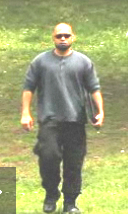
It is no great surprise that the National Parole Board thinks convicted Canadian terrorist Ali Dirie is nowhere near safe to release. Why would he be? He was the would-be ringleader of the Toronto 18, whose members plotted to kill large numbers of their fellow Canadians in cold blood, and he will serve just 4½ years in jail, even after parole was denied to him.
Mr. Dirie’s case is a good reminder of why the often laudable judicial tendency to give offenders a second or third chance should be overtaken in future terrorism cases by the need to protect society. If Mr. Dirie is not safe to release under supervision with one year left in his sentence, the chances are slight he will be safe to release when the sentence expires.
The Toronto plotters intended to set off bombs in crowded buildings and to take politicians hostage, an attempt to intimidate Canada into changing its foreign policy on Afghanistan. If Mr. Dirie hadn’t been in jail already (for taping two loaded handguns to his thighs and trying to smuggle them into Canada), he would have been the group’s leader, according to intercepted telephone conversations revealed at his trial. Do the math, Canadian-justice style: A seven-year sentence, minus double credit for the 30 months already served equals two years till freedom. Two years (or even 4½) is not a punishment; it’s more like the cost of doing business, and cheaply, at that.
Now 27, Mr. Dirie has a criminal record stretching back many years. He is a chronic criminal who graduated to terrorism. He has committed 16 criminal offences (including two for escaping custody) and been sentenced six times. For his gun-smuggling offence, he received two years in jail, which is not sufficient for someone who already had several weapons convictions on his record. During that time in jail, he tried to recruit other inmates, and continued working for the terrorist group, trying to obtain more guns and false passports. That behaviour during his first penitentiary sentence should have been a red flag when he was later convicted as a terrorist that he needed to be locked away for a good long time.
Chillingly, the parole board said it has “reliable information compelling the conclusion that you are planning to commit an offence causing the death of or serious harm to another person before the expiration of your sentence.” It also said he has offered “no remorse, empathy or concern for the innocent people were to be targeted by the terrorist attacks/plans.” It is discomfiting that Mr. Dirie is due to be freed a year from now. Ali Dirie is a lesson in what happens when the Canadian predilection for second chances meets up with committed terrorists.
Showing posts with label Ali Dirie. Show all posts
Showing posts with label Ali Dirie. Show all posts
Sunday, September 19, 2010
Tuesday, September 14, 2010
PAROLE DENIED FOR TORONTO 18 ALIE DIRIE
*** Mr. Dirie is similarly, not surprised with the ruling. I am unaware of any in-house prison rehabilitation program for convicted terrorists and in the absence of such, it is difficult to measure the degree of change and security in the belief that a threat no longer remains. In light of the fact that prisons are nodes of radicalization, such programs serve as a vital component of the way in which enlightened societies deal with this problem. Canada, disturbingly, has no plan in place to address this problem. MS ***
http://www.theglobeandmail.com/news/national/toronto/national-parole-board-denies-parole-for-toronto-18-plotter/article1707324/
A member of the so-called Toronto 18 terrorist cell has been denied parole and will remain behind bars.
The National Parole Board says Ali Dirie shows a persistent pattern of violent behaviour and, if released, he would likely harm others.
The 27-year-old Mr. Dirie appeared before the board on Monday and vowed he'd changed his ways.
But in a decision issued today, Mr. Dirie was ordered to stay behind bars for the remainder of his sentence, which runs out next October.
Mr. Dirie was among 18 people arrested in 2006, for plotting to cause bloodshed and panic in Canada by bombing nuclear power plants and RCMP headquarters and attacking Parliament.
Mr. Dirie was originally arrested on other offences in 2005 and, later, was sentenced to seven years for his role in the terrorist plot.
He will remain in the Special Handling Unit in Quebec, Canada's highest super-maximum security prison reserved for the worst offenders.
http://www.theglobeandmail.com/news/national/toronto/national-parole-board-denies-parole-for-toronto-18-plotter/article1707324/
A member of the so-called Toronto 18 terrorist cell has been denied parole and will remain behind bars.
The National Parole Board says Ali Dirie shows a persistent pattern of violent behaviour and, if released, he would likely harm others.
The 27-year-old Mr. Dirie appeared before the board on Monday and vowed he'd changed his ways.
But in a decision issued today, Mr. Dirie was ordered to stay behind bars for the remainder of his sentence, which runs out next October.
Mr. Dirie was among 18 people arrested in 2006, for plotting to cause bloodshed and panic in Canada by bombing nuclear power plants and RCMP headquarters and attacking Parliament.
Mr. Dirie was originally arrested on other offences in 2005 and, later, was sentenced to seven years for his role in the terrorist plot.
He will remain in the Special Handling Unit in Quebec, Canada's highest super-maximum security prison reserved for the worst offenders.


Monday, September 13, 2010
PAROLE FOR TORONTO 18 CONVICT?
*** Aint gonna happen this time round. MS ***
http://www.theglobeandmail.com/news/national/toronto/member-of-so-called-toronto-18-to-seek-parole/article1704999/?cmpid=rss1&utm_source=feedburner&utm_medium=feed&utm_campaign=Feed%3A+TheGlobeAndMail-National+%28The+Globe+and+Mail+-+National+News%29
A member of the so-called Toronto 18 is applying for parole.
Ali Dirie will appear before the National Parole Board today at a Quebec prison.
Mr. Dirie was sentenced to seven years in prison last October for his role in a plot designed to wreak havoc on Canadian targets.
The Somali-born Dirie was arrested in 2005 and already in prison when police moved in on the so-called Toronto 18 in 2006.
At trial, court heard that despite his incarceration, he tried to recruit inmates for extremist plots while trying to procure weapons and travel documents.
During sentencing, the judge noted he was an unlikely candidate for parole.
With time served, he only had two years left on his sentence, but the judge ordered he serve at least one year before being eligible for parole.
http://www.theglobeandmail.com/news/national/toronto/member-of-so-called-toronto-18-to-seek-parole/article1704999/?cmpid=rss1&utm_source=feedburner&utm_medium=feed&utm_campaign=Feed%3A+TheGlobeAndMail-National+%28The+Globe+and+Mail+-+National+News%29
A member of the so-called Toronto 18 is applying for parole.
Ali Dirie will appear before the National Parole Board today at a Quebec prison.
Mr. Dirie was sentenced to seven years in prison last October for his role in a plot designed to wreak havoc on Canadian targets.
The Somali-born Dirie was arrested in 2005 and already in prison when police moved in on the so-called Toronto 18 in 2006.
At trial, court heard that despite his incarceration, he tried to recruit inmates for extremist plots while trying to procure weapons and travel documents.
During sentencing, the judge noted he was an unlikely candidate for parole.
With time served, he only had two years left on his sentence, but the judge ordered he serve at least one year before being eligible for parole.
Tuesday, December 29, 2009
SIX REMAINING ACCUSED TO FACE TRIAL IN TORONTO 18
FROM: http://www.cp24.com/servlet/an/local/CTVNews/20091229/091229_terror_trial/20091229/?hub=CP24Home
Remaining six alleged Toronto 18 members face trials in 2010 on terror charges
TORONTO — The case of Canada's notorious homegrown terror plot enters a significant phase in 2010 with the trials upcoming for the final six alleged members, accused of attending a training camp and plotting to bomb various targets.
The prosecution of the so-called Toronto 18 seemed on shaky ground at the start of this year, with seven people no longer facing charges and one conviction of a youth characterized as a peripheral member.
"Some people, I think on the basis of that set of events, leapt to the conclusion that maybe the government's case was falling apart, maybe there wasn't a serious plot here at all," said security and intelligence expert Wesley Wark.
But then came four surprise guilty pleas in fairly quick succession, with each of the young men admitting to roles in the plot to detonate bombs outside the Toronto Stock Exchange and CSIS headquarters, as well as an unnamed Ontario military base in 2006.
What Wark found unexpected was not that some of the 18 people arrested would plead or eventually be found guilty, but the facts that they admitted to in court.
"The thing that did surprise me was simply some of the details that emerged about the seriousness about the plot itself and the seeming capabilities of some of the key individuals involved," said the professor at the Munk Centre for International Studies at the University of Toronto.
Video evidence made public in October shows the dancing wires of a cellphone bomb detonator on a tape made by Zakaria Amara, 24, a leader of the plot who pleaded guilty.
The RCMP also made a video demonstrating the massive destructive power of what kind of damage a truck bomb using one tonne of ammonium nitrate could do. Saad Gaya, 22, and Saad Khalid, 23, who have pleaded guilty, were arrested unloading bags labelled "ammonium nitrate" from a truck driven by an undercover police officer.
Court heard Amara planned to rent U-Haul trucks, pack them with explosives and detonate them via remote control in downtown Toronto. Amara also planned to put metal chips in bombs to exact more casualties in what they called the "Battle of Toronto."
The goal of the planned destruction and carnage was to pressure Canada to withdraw troops from Afghanistan, Gaya told police in his post-arrest interview.
The judge in the youth's case, in handing down his ruling, said there clearly was a homegrown Islamic terrorist cell bent on wreaking havoc and bloodshed in Canada.
The Crown has alleged some of the men held a terrorism training camp north of Toronto and that others were involved in the bomb plot.
One of the remaining men is expected to have his trial by judge in January, while the other five men's case is expected to be put in front of a jury starting in March.
The guilty pleas and the outcome of the first man's trial will have absolutely no bearing on the last five men's case, said lawyer William Naylor, who represents the man who will stand trial in January.
"The people that are going to get tried, their case has nothing to do with the people who pleaded guilty," Naylor said.
"The outcome of Mr. Gaya, Mr. Khalid, Mr. Amara and my client has nothing whatsoever to do with the remaining accused."
The fact that those five men have elected trial by jury is breaking new ground. This is the first time an Anti-Terrorism Act case will be tried by a jury, Wark said.
"This will be something new, to see how juries are selected, how juries respond to the evidence, what the outcome of jury trials might be when it comes to terrorism offences," he said.
How those found guilty of such offences are sentenced and what credit is given for time already served should also become clearer in 2010.
The youth walked free after being sentenced to 2 1/2 years due to time served. Khalid was sentenced to 14 years, with seven years' credit for time served, though the government is appealing the sentence.
Ali Dirie, 26, was sentenced to seven years, with five years' credit for time served. Gaya and Amara are expected to be sentenced in January. No one has yet been sentenced to life in prison, the maximum sentence under the anti-terror law.
All of the six men awaiting trial have been in custody since their arrests in June 2006, except for one, who was granted bail in August.
Remaining six alleged Toronto 18 members face trials in 2010 on terror charges
TORONTO — The case of Canada's notorious homegrown terror plot enters a significant phase in 2010 with the trials upcoming for the final six alleged members, accused of attending a training camp and plotting to bomb various targets.
The prosecution of the so-called Toronto 18 seemed on shaky ground at the start of this year, with seven people no longer facing charges and one conviction of a youth characterized as a peripheral member.
"Some people, I think on the basis of that set of events, leapt to the conclusion that maybe the government's case was falling apart, maybe there wasn't a serious plot here at all," said security and intelligence expert Wesley Wark.
But then came four surprise guilty pleas in fairly quick succession, with each of the young men admitting to roles in the plot to detonate bombs outside the Toronto Stock Exchange and CSIS headquarters, as well as an unnamed Ontario military base in 2006.
What Wark found unexpected was not that some of the 18 people arrested would plead or eventually be found guilty, but the facts that they admitted to in court.
"The thing that did surprise me was simply some of the details that emerged about the seriousness about the plot itself and the seeming capabilities of some of the key individuals involved," said the professor at the Munk Centre for International Studies at the University of Toronto.
Video evidence made public in October shows the dancing wires of a cellphone bomb detonator on a tape made by Zakaria Amara, 24, a leader of the plot who pleaded guilty.
The RCMP also made a video demonstrating the massive destructive power of what kind of damage a truck bomb using one tonne of ammonium nitrate could do. Saad Gaya, 22, and Saad Khalid, 23, who have pleaded guilty, were arrested unloading bags labelled "ammonium nitrate" from a truck driven by an undercover police officer.
Court heard Amara planned to rent U-Haul trucks, pack them with explosives and detonate them via remote control in downtown Toronto. Amara also planned to put metal chips in bombs to exact more casualties in what they called the "Battle of Toronto."
The goal of the planned destruction and carnage was to pressure Canada to withdraw troops from Afghanistan, Gaya told police in his post-arrest interview.
The judge in the youth's case, in handing down his ruling, said there clearly was a homegrown Islamic terrorist cell bent on wreaking havoc and bloodshed in Canada.
The Crown has alleged some of the men held a terrorism training camp north of Toronto and that others were involved in the bomb plot.
One of the remaining men is expected to have his trial by judge in January, while the other five men's case is expected to be put in front of a jury starting in March.
The guilty pleas and the outcome of the first man's trial will have absolutely no bearing on the last five men's case, said lawyer William Naylor, who represents the man who will stand trial in January.
"The people that are going to get tried, their case has nothing to do with the people who pleaded guilty," Naylor said.
"The outcome of Mr. Gaya, Mr. Khalid, Mr. Amara and my client has nothing whatsoever to do with the remaining accused."
The fact that those five men have elected trial by jury is breaking new ground. This is the first time an Anti-Terrorism Act case will be tried by a jury, Wark said.
"This will be something new, to see how juries are selected, how juries respond to the evidence, what the outcome of jury trials might be when it comes to terrorism offences," he said.
How those found guilty of such offences are sentenced and what credit is given for time already served should also become clearer in 2010.
The youth walked free after being sentenced to 2 1/2 years due to time served. Khalid was sentenced to 14 years, with seven years' credit for time served, though the government is appealing the sentence.
Ali Dirie, 26, was sentenced to seven years, with five years' credit for time served. Gaya and Amara are expected to be sentenced in January. No one has yet been sentenced to life in prison, the maximum sentence under the anti-terror law.
All of the six men awaiting trial have been in custody since their arrests in June 2006, except for one, who was granted bail in August.
Subscribe to:
Posts (Atom)